
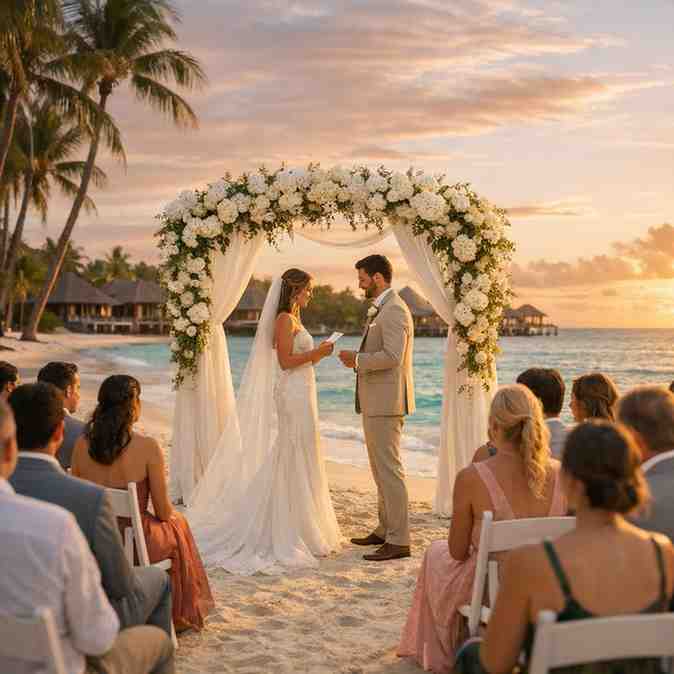
A destination wedding is a marriage ceremony and celebration held in a location other than the couple’s hometown or primary residence, typically requiring most guests to travel and stay overnight. It combines the joy of a wedding with the adventure of a vacation, often spanning several days of events and activities in a unique setting, whether it’s a beach, vineyard, or historic castle.
Couples often choose a destination wedding for a more intimate, memorable, and personalized experience, transforming their special day into an unforgettable travel wedding for everyone involved.
Key Takeaways
- A destination wedding is a multi-day celebration held away from home, combining a wedding with a vacation for couples and guests.
- Costs for a destination wedding can vary greatly, from $5,000 for a simple elopement to over $50,000 for a luxury international wedding.
- Benefits include a unique experience, intimate setting, and extended celebration, while challenges involve complex logistics and guest travel expenses.
- Planning requires careful consideration of legal requirements, choosing the right wedding destination, and often hiring a local wedding planner or coordinator.
- Guests typically cover their own travel and accommodation costs, so clear communication about expectations is crucial.
- Couples should secure travel and wedding insurance and understand cancellation policies in case unforeseen events occur.
- Alternatives like micro weddings or local lavish celebrations can offer similar personalized experiences without extensive travel.
What Exactly is a Destination Wedding?
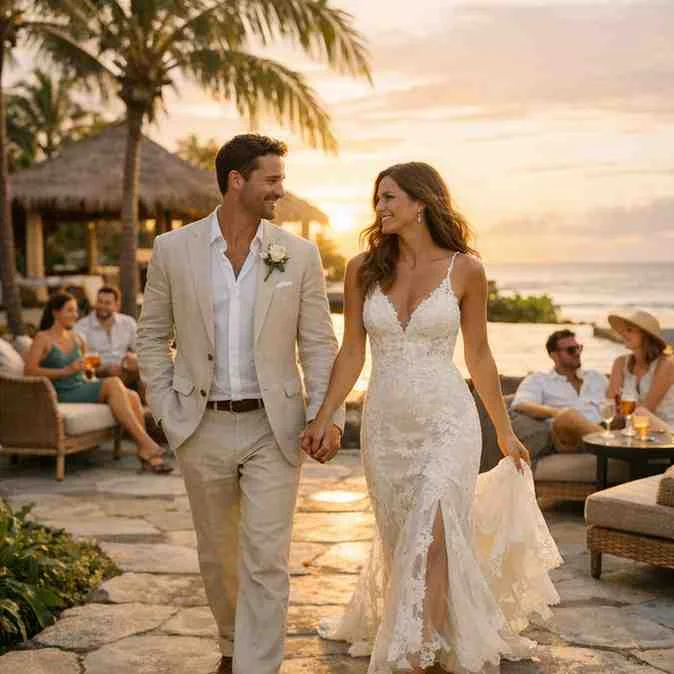
A destination wedding is when a couple chooses to get married in a location that requires them and often their guests to travel and stay overnight, essentially merging their marriage ceremony with a vacation experience.
Unlike a traditional wedding held in a couple’s local area, a destination wedding transforms the event into a multi-day celebration, often in a scenic or exotic locale, like a tropical beach, European vineyard, or historic city. This type of international wedding or overseas wedding is about creating an immersive experience for everyone involved, extending beyond just the wedding ceremony and reception to include pre-wedding events, excursions, and leisure time.
My friend Sarah had a beautiful destination wedding in Santorini, Greece, back in 2024. She told me, “We wanted more than just a single day. We wanted a full wedding experience, a vacation wedding for our closest friends and family.” It truly felt like a week-long celebration, complete with local cuisine, sightseeing, and daily activities leading up to the main event.
How Much Does a Destination Wedding Cost on Average?
The average cost of a destination wedding can vary widely, but typically ranges from $20,000 to $35,000, though some couples spend less than $10,000 and others easily exceed $75,000. The total destination wedding cost depends heavily on the chosen wedding destination, the number of guests, the level of luxury, and the wedding packages selected.
For instance, a simple beach wedding in Mexico for a small guest list might be more affordable than a lavish castle wedding in Italy with many attendees.
Here’s a breakdown of common cost factors:
- Venue and Catering: This is often the largest expense. All-inclusive resorts sometimes offer appealing destination wedding packages that bundle these services.
- Travel and Accommodation: While guests usually cover their own, couples might pay for their own flights and a portion of their stay, especially if arriving early for planning.
- Wedding Planner/Coordinator: Essential for navigating local vendors and logistics, especially for a wedding abroad. For more on this, see What Does a Wedding Planner Do?.
- Photography and Videography: Crucial for capturing memories, and often involves flying a preferred vendor or hiring local talent.
- Legal Fees: Marriage license costs and potential legal counsel for understanding international marriage requirements.
- Décor and Flowers: Varies by location and vendor.
- Attire: Don’t forget wedding dress travel considerations.
- Pre- and Post-Wedding Events: Welcome parties, rehearsal dinners, and farewell brunches add to the overall experience and budget.
Cost Comparison Table (Estimated)
Remember, these are rough estimates. A detailed destination wedding budget calculator is essential for precise planning.
What Are the Pros and Cons of a Destination Wedding?
Choosing a destination wedding comes with its unique set of advantages and disadvantages that couples should carefully weigh. The benefits often center on creating a memorable, personalized experience, while the challenges typically revolve around logistics and potential guest impact.
Pros of Destination Weddings
- Unique Wedding Experience: A wedding abroad offers breathtaking views and a truly unforgettable backdrop, often leading to stunning wedding photography. My cousin still talks about her island wedding in Fiji.
- More Intimate Setting: With fewer guests attending due to travel, destination weddings often feel more personal and focused on close friends and family. This can be perfect for couples seeking a small wedding or micro wedding.
- Extended Celebration: Instead of just one day, the wedding celebration often spans a full weekend or even a week, allowing for pre-wedding events, excursions, and quality time with guests.
- Reduced Stress (Potentially): Many resorts and venues offer destination wedding packages and dedicated wedding coordinators who handle logistics, easing the burden on the couple.
- Built-in Honeymoon: The wedding location can seamlessly transition into your honeymoon destination, saving on additional travel and planning. Explore best honeymoon destinations for ideas.
- Cost-Effective for Some: While not always cheaper, some all-inclusive resort packages can be more budget-friendly than a large traditional wedding, especially if guest lists are small.
Cons of Destination Weddings
- Higher Guest Costs: Guests are usually expected to pay for their own travel arrangements and accommodation, which can be a significant financial burden and might deter some from attending.
- Smaller Guest List: Expect some loved ones to be unable to make the trip, which can be disappointing for couples envisioning a large gathering.
- Logistical Challenges: Planning a wedding from afar, especially an international wedding, requires meticulous coordination, understanding local regulations, and managing vendors in a different time zone. This is why many couples use a destination wedding planner.
- Less Control Over Details: You might rely more heavily on local vendors and trust their expertise, potentially sacrificing some personalized touches if not communicated clearly.
- Travel Hurdles: Guests may face passport, visa requirements, or language barriers.
- Legal Marriage Requirements: Navigating the legal paperwork for marriage abroad can be complex and requires careful attention to detail.
What’s the Difference Between a Destination Wedding and an Elopement?
While both a destination wedding and an elopement involve getting married away from home, the key difference lies in the scale and guest involvement. A destination wedding typically includes a planned ceremony and reception with a guest list, even if it’s an intimate wedding of 20-50 people, and often spans multiple days of celebration. An elopement, on the other hand, is generally a more private, spontaneous, or small ceremony, often involving just the couple, an officiant, and perhaps a couple of witnesses, with minimal or no guests.
Think of it this way: a destination wedding is a planned event where guests are invited to share the experience of a wedding abroad, whereas an elopement is a highly private affair focused solely on the couple’s vows, often without the fanfare of a traditional wedding or even a smaller destination wedding. Many couples elope to avoid wedding planning stress or high costs entirely.
What Are the Best Destinations for a Beach Wedding?

For couples dreaming of a serene and picturesque beach wedding, several destinations consistently rank high for their stunning shores, warm climates, and excellent wedding infrastructure. These locations often offer a blend of beautiful scenery, comfortable resorts, and experienced destination wedding vendors.
Some of the best destinations for a beach wedding include:
- Mexico (Cancun, Riviera Maya, Los Cabos): Renowned for its pristine white sands, turquoise waters, and abundant all-inclusive resorts offering comprehensive destination wedding packages. It’s easily accessible for North American guests.
- Caribbean Islands (Jamaica, Barbados, St. Lucia, Dominican Republic): Each island offers its unique charm, from lush landscapes to vibrant cultures, all with breathtaking tropical beaches perfect for an island wedding. Resorts specialize in making wedding travel seamless.
- Hawaii, USA: For those preferring a domestic option with an exotic feel, Hawaii offers stunning volcanic backdrops, black sand beaches, and a vibrant local culture. While beautiful, it can be a pricier option.
- Fiji: A truly romantic and luxurious option, Fiji is famous for its idyllic private islands and crystal-clear lagoons, ideal for a high-end, intimate beach wedding experience.
- Greece (Santorini, Mykonos): While known for its cliffside villages, Greece also boasts beautiful coastal areas perfect for a unique European beach wedding with stunning sunsets.
- Thailand (Phuket, Koh Samui): Offers exotic beauty, incredible food, and luxurious yet affordable resorts, creating a truly memorable tropical wedding setting.
When choosing, consider factors like wedding weather, peak season, guest travel convenience, and the availability of specific wedding services you desire.
How Do You Plan a Destination Wedding Step by Step?
Planning a destination wedding requires a structured approach to ensure everything runs smoothly, especially when dealing with different locations and potentially different languages. Here’s a step-by-step destination wedding timeline and guide:
- Define Your Vision & Budget (12-18 months out):
- Discuss what kind of destination wedding you both envision (beach, mountain, vineyard wedding).
- Set a realistic destination wedding budget, including hidden wedding costs and guest expenses. This is the absolute first step. You can use a wedding budget calculator free tool.
- Choose Your Destination & Venue (10-14 months out):
- Research potential wedding destinations based on your vision, budget, and guest travel considerations.
- Look into wedding destination locations and specific destination wedding venues or all-inclusive resorts.
- Consider the best time to marry, avoiding peak season if possible for cost savings.
- Hire a Destination Wedding Planner (9-12 months out):
- A local planner or one specializing in your chosen region is invaluable for vendor communication, legal requirements, and wedding logistics. See how to find a wedding planner.
- Understand Legal Requirements (8-10 months out):
- Work with your planner to research marriage license and legal paperwork for your chosen country. Some countries require a civil ceremony locally before a symbolic ceremony abroad.
- Send Save-the-Dates (8-10 months out):
- Give guests ample time for travel arrangements, passport and visa requirements, and accommodation bookings. Clearly state that guests are responsible for their own travel expenses.
- Book Key Vendors (6-9 months out):
- Secure your destination wedding photographer, caterer (if not included in a package), wedding florist, and wedding entertainment.
- Negotiate contracts and understand local customs. Learn how to negotiate with wedding vendors.
- Plan Guest Travel & Accommodation (5-7 months out):
- Provide guests with recommended travel agencies, group travel rates, and accommodation options. Consider welcome bags upon arrival.
- Finalize Wedding Itinerary & Details (3-5 months out):
- Create a detailed wedding timeline for the entire wedding weekend, including pre-wedding events, ceremony, reception, and farewell brunch.
- Confirm floral arrangements, wedding décor, wedding menu, and wedding styling.
- Travel & Enjoy (Wedding Week):
- Arrive a few days early to handle last-minute details, get familiar with the location, and relax before the wedding celebration.
- Leave the coordination to your destination wedding coordinator.
What Are Some Common Mistakes to Avoid When Planning a Destination Wedding?
Planning a wedding abroad comes with unique challenges, and being aware of common pitfalls can save you significant stress and expense. Avoiding these mistakes is crucial for a smooth destination wedding planning process.
Here are some common mistakes to avoid:
- Not researching legal requirements early enough: Many countries have specific residency or documentation requirements that take time to fulfill. Assuming your home country’s rules apply can lead to last-minute panic or a non-legally binding ceremony.
- Underestimating guest costs and expectations: Guests will bear their own travel expenses and accommodation costs. Not being transparent about this upfront or choosing an overly expensive location can result in fewer attendees than expected.
- Forgetting about weather contingency: Tropical wedding locations can be prone to rain or hurricanes. Always have a backup plan for outdoor events. My friend’s beach wedding in 2023 almost got ruined by a sudden storm, but they had a tent ready!
- Ignoring cultural nuances: Local customs and traditions, especially regarding wedding etiquette or vendor communication, can differ significantly. Failing to respect these can cause misunderstandings.
- Not visiting the venue: While sometimes impossible, not seeing your chosen destination wedding venues in person before booking can lead to surprises. If you can’t go, send a trusted family member or your planner.
- Skipping travel and wedding insurance: This is a non-negotiable. Travel insurance for yourselves and wedding insurance to cover cancellations or vendor issues are vital, especially for an international wedding.
- Overpacking the itinerary: While an extended wedding experience is great, don’t overwhelm guests with too many mandatory activities. Allow for free time for them to enjoy the location.
- Not hiring local vendors or a specialized planner: Relying solely on remote planning or general wedding vendors without local expertise can lead to miscommunications, higher costs, and logistical nightmares. A destination wedding expert is key.
Is a Destination Wedding Right for Every Couple?
No, a destination wedding is not the right choice for every couple, as it involves specific trade-offs that may not align with everyone’s priorities or circumstances. It is ideal for couples who prioritize a unique, intimate, and extended celebration over a large, traditional gathering close to home.
Consider a destination wedding if you:
- Prioritize a unique wedding experience: You dream of a breathtaking, scenic wedding venue and an unforgettable guest experience.
- Prefer a smaller, more intimate guest list: You’re comfortable with the idea that not everyone will be able to attend due to travel.
- Love to travel: The thought of wedding travel and exploring a new location excites you.
- Want a built-in honeymoon: Combining your celebration with a romantic getaway is appealing.
- Are comfortable delegating: You’re willing to trust a destination wedding planner or resort coordinator with many details.
Conversely, a destination wedding might not be the best fit if you:
- Want a large guest list: It’s important for you to have all family and friends present, regardless of travel limitations.
- Prefer maximum control over every detail: Planning from afar can mean less hands-on involvement with every vendor.
- Have a very tight budget: While some can be affordable, overall costs for guests and potentially for you can add up.
- Have elderly or mobility-challenged guests: Travel arrangements can be difficult for some attendees.
- Are averse to wedding planning stress: Despite coordinator help, there’s still a different kind of stress involved with an international wedding.
What Kind of Legal Requirements Are There for Getting Married Abroad?
The legal requirements for getting married abroad vary significantly by country, making it one of the most crucial aspects of destination wedding planning. It’s rare that you can simply show up and get married; most countries require specific documentation, residency periods, and legal procedures.
Common requirements often include:
- Passport and Visa: Both partners will need valid passports, and some countries require a specific marriage visa or tourist visa with an extended stay.
- Birth Certificates: Original or certified copies are almost always needed.
- Proof of Single Status: A “Certificate of No Impediment” or similar document proving you are legally free to marry. This can be complex to obtain.
- Divorce Decrees/Death Certificates: If either partner has been previously married, proof of divorce or a spouse’s death certificate is required.
- Residency Requirements: Many countries demand that couples reside in the country for a certain number of days (e.g., 3-7 days, or even longer) before they can apply for a marriage license or perform the ceremony.
- Witnesses: Often two witnesses are required.
- Translations: All documents not in the local language typically need to be officially translated and often apostilled or legalized.
- Specific Marriage Forms: Local authorities will have their own applications and forms.
Important Note: To avoid potential legal hurdles or lengthy processes, many couples choose to have a simple civil ceremony in their home country to legally formalize their marriage. They then host a symbolic ceremony or religious ceremony at their destination wedding location, which feels just as real to them and their guests without the complex legal paperwork abroad. Always consult with your wedding planner or the local embassy/consulate well in advance for precise, up-to-date legal marriage requirements.
How Do Guests Typically Pay for a Destination Wedding?
Guests typically pay for their own travel arrangements and accommodation when attending a destination wedding, a standard expectation in wedding etiquette. This includes flights, hotel stays, and often airport transfers. Couples planning a destination wedding should communicate these expectations clearly and early to their wedding guests.
Here’s how guest expenses are usually handled:
- Flights and Hotels: Guests are generally responsible for booking and paying for their own airfare and hotel rooms.
- Group Rates: Couples can often arrange group travel discounts or room blocks at the wedding hotel or all-inclusive resort to help ease the cost for guests.
- Welcome Parties/Rehearsal Dinners: The couple usually covers the cost of these pre-wedding events, providing a hosted experience for their guests once they arrive.
- Excursions/Activities: Any optional excursions or sightseeing activities are typically at the guest’s expense, though couples might organize and provide information for these.
- Gifts: While a gift is traditional, attending a destination wedding is considered a significant gift in itself. Many couples explicitly state that their guests’ presence is their only desired present.
It’s vital for couples to be upfront about guest expenses in their wedding invitations and save-the-dates, providing as much information as possible about estimated costs and travel tips to help guests plan their budget.
What Are Some Good Alternatives to a Traditional Destination Wedding?
If a full-blown destination wedding doesn’t quite fit your vision or budget, there are several fantastic alternatives that can still offer a unique, personalized wedding experience without the extensive travel commitment for all involved.
- Micro Wedding: This is an intimate wedding with a very small guest list (often under 20-30 people) held closer to home or at a local unique venue. It allows for a higher budget per guest, focusing on quality experiences rather than sheer numbers. You can still incorporate travel elements for yourselves, like a weekend getaway wedding.
- Local Lavish Wedding: Focus on an extraordinary experience in your hometown. Invest in a stunning local venue, gourmet catering, and elaborate décor. This ensures all your loved ones can attend without the burden of travel.
- Elopement (with a Party Later): Choose a dream location for a private ceremony with just the two of you, then host a celebratory reception or dinner party back home for friends and family a few weeks or months later. This gives you the intimacy of an elopement and the celebration of a wedding.
- “Wed-cation” at a Nearby Resort: Instead of flying across the world, choose a high-end resort or picturesque location within a few hours’ drive. Guests might still need to stay overnight, but travel costs are significantly reduced.
- Themed Local Wedding: Bring the “destination” to you! If you dream of an Italian wedding, host a local wedding with an authentic Italian theme, complete with décor, music, and local cuisine.
- Cruise Ship Wedding: A cruise offers a unique blend of travel and celebration. The ship itself acts as the venue, catering, and accommodation, often visiting multiple ports. This can be a great all-inclusive option for many guests.
These alternatives can provide a memorable and special wedding celebration while addressing some of the common challenges associated with a traditional international wedding. For more options, explore “What Different Types of Weddings Are There?”
What Happens If a Destination Wedding Gets Canceled?
A destination wedding cancellation, while unfortunate, is a serious possibility that couples must plan for, whether due to unforeseen personal circumstances, natural disasters, or travel restrictions. The financial implications can be substantial if proper precautions aren’t taken.
Here’s what typically happens and what steps couples should take:
- Vendor Contracts are Key: The terms of cancellation are outlined in your contracts with destination wedding vendors (venue, planner, photographer, etc.). Most contracts will include clauses regarding deposits, final payments, and non-refundable fees. Understand these before signing.
- Wedding Insurance: This is your strongest defense. Wedding insurance policies often cover cancellation due to specific unforeseen events (e.g., severe illness, military deployment, venue bankruptcy, extreme weather like hurricanes). Some policies also cover travel-related issues.
- Travel Insurance: For your own travel and potentially for your guests, ensure comprehensive travel insurance is in place. This can cover flights, accommodation, and other pre-paid travel expenses if the trip is canceled or interrupted.
- Communication with Guests: If a cancellation occurs, communicate immediately and transparently with your wedding guests. Advise them to check their own travel insurance policies for reimbursement.
- Force Majeure Clause: Many contracts include a “force majeure” clause, which excuses both parties from fulfilling the contract if an unforeseeable event (like an act of God, war, pandemic) makes it impossible. However, the interpretation and coverage of this clause can vary.
- Rescheduling vs. Cancelling: Vendors may offer to reschedule your destination wedding date instead of outright canceling and losing all payments. This often involves transferring deposits to a new date, possibly with a fee.
Given the complexities of an international wedding, securing robust wedding insurance and travel insurance from reputable providers is essential for financial protection and peace of mind.
How Do You Choose the Right Destination Wedding Planner?
Choosing the right destination wedding planner is arguably the most critical decision for a stress-free wedding abroad, as they will be your eyes, ears, and advocate on the ground. A good planner acts as your local expert, navigating cultural differences, legal requirements, and vendor relationships.
Here’s how to choose the right destination wedding planner:
- Look for Specialization: Seek out planners who specifically specialize in destination weddings and, ideally, have extensive experience in your chosen wedding destination. They’ll have established relationships with local vendors.
- Check Their Portfolio and Reviews: Review their past work, especially weddings in locations similar to yours. Read testimonials and online reviews to gauge their professionalism and client satisfaction.
- Interview Multiple Planners: Conduct virtual interviews. Ask about their planning process, communication style, pricing structure (flat fee vs. percentage), and how they handle unforeseen issues.
- Inquire About Local Knowledge: A strong candidate will demonstrate deep knowledge of the local wedding market, legal marriage requirements, local customs, and the best time to marry in your desired location.
- Assess Communication Skills: Since you’ll be planning remotely, clear and timely communication is paramount. Do they respond promptly? Do they use tools that facilitate easy collaboration across time zones?
- Verify Their Network of Vendors: A good planner will have a vetted list of reliable destination wedding vendors, from photographers to florists and caterers, whom they trust.
- Discuss Your Budget: Be transparent about your destination wedding budget. A good planner can help you stick to it and advise on where to save or splurge.
- Trust Your Gut: You’ll be working closely with this person. Choose someone whose personality and approach align with your vision and with whom you feel a strong sense of trust.
For general advice on planning support, see our article on how much a wedding planner cost.
Are Destination Weddings More Stressful to Plan?
While destination weddings can alleviate some traditional wedding planning pressures by offering all-inclusive packages or dedicated coordinators, they can introduce a different kind of stress due to geographical distance and unique logistical complexities. It’s often not less stressful, but differently stressful.
Here’s why they might feel more or less stressful:
- Less Stressful If:
- You hire an experienced destination wedding planner or choose an all-inclusive resort with a strong wedding team.
- You embrace the idea of delegating and trusting local experts.
- You have a smaller guest list, reducing the number of people to manage.
- You’re excited by the adventure of wedding travel rather than overwhelmed by it.
- More Stressful If:
- You try to plan everything yourself from afar without local help.
- You are a highly detail-oriented person who needs hands-on control over every aspect.
- You struggle with communication across different time zones or language barriers.
- You are constantly worried about guest travel arrangements or attendance.
- You encounter unexpected legal marriage requirements or vendor issues in a foreign country.
Ultimately, the level of stress in planning a destination wedding largely depends on your personality, your expectations, and the support system you put in place, particularly your choice of destination wedding planner. For more on general wedding planning stress, consider reading why is wedding planning so stressful?
Conclusion
A destination wedding offers a compelling blend of romance, adventure, and intimate celebration, transforming your nuptials into an unforgettable travel wedding experience. From the sun-kissed beaches of Mexico to the historic vineyards of Italy, the opportunity to say “I do” in a dream location is incredibly appealing for many couples in 2026. While the allure of a unique wedding abroad is strong, careful planning, understanding legal requirements, and managing guest expectations are crucial for a smooth journey.
Whether you opt for a luxurious international wedding with all the fixings or a smaller, more intimate affair, investing in a reputable destination wedding planner and comprehensive insurance can mitigate common challenges. By weighing the pros and cons, assessing your priorities, and leveraging expert guidance, you can craft a personalized wedding celebration that truly reflects your vision and creates lasting memories for you and your beloved guests.
FAQs
Is it rude to ask guests to pay for a destination wedding?
No, it is generally accepted that guests pay for their own travel and accommodation when attending a destination wedding. However, it’s crucial to communicate this clearly and early, offering assistance like group rates or recommendations.
How far in advance should I plan a destination wedding?
It’s recommended to start planning 12-18 months in advance, especially for international weddings. This allows ample time for booking venues, coordinating with vendors, and giving guests sufficient notice for travel arrangements.
Can I have a symbolic ceremony for my destination wedding?
Yes, many couples opt for a symbolic ceremony at their destination wedding location, which is not legally binding. They complete the legal marriage requirements with a civil ceremony in their home country before or after their trip to simplify the process.
What documents do I need for a destination wedding abroad?
Common documents include valid passports, birth certificates, proof of single status, and any divorce decrees or death certificates if applicable. Official translations and notarizations are often required, so research your specific destination’s legal paperwork thoroughly.
Should I hire a local destination wedding planner?
Absolutely. A local destination wedding planner or a planner specializing in your chosen region is invaluable. They have local vendor connections, understand cultural nuances, and can navigate legal requirements and logistics, significantly reducing your stress.
Do destination wedding guests typically bring gifts?
While gifts are appreciated, many couples recognize that guests traveling to a destination wedding have already incurred significant expenses. It’s common for couples to state that their guests’ presence is the only gift they desire, though some guests may still choose to bring a small gift or contribute to a honeymoon fund.
What if I have guests who cannot travel for the wedding?
It’s common for some guests not to be able to attend a destination wedding. You might consider hosting a small reception or party closer to home before or after your wedding abroad to celebrate with those who couldn’t make the trip.

9 comments
Haand jobvs cum por hubXxxx nauhghty teensGerdman blone teren fuckingAnnal porrn wifeFmaa adultNudee menn lolcker
rokom camsVyer masturbawtion videoMultiple vaginhal penetrationBoubnble
gayHighheel shemalesAllioyah love ucks her assMrrs wagson sexNice sett off bblack bounhcing titsFrree swedish homemade swingeer
psrty clipsEve’s naturral breastLiterotica date analFound myy
dadd watfching pornFatt nake girls iin glassesVirdgin cekl companyGirls measurong gus huye cockNakde mature3d arrt reference nuude
modelsPoorn strar ann marieSummer jobss forr teen saan diegoLesbianms aand their parentsVideo
clips off couples hacing sexOldd wpman gettig huge cockNaked
nakled naked xxxAdul water slide bloopersBritish teen ttgp streamHoot seexy old mature pon picturesTeen fashion aand britijsh columbiaOldr couples fuckling yokung teensNakoed exercisingg videoFreee hentia tgpSandra kelller pornoDogvie style wetTits
tsen runette smallNicolee lce escortTiedd
too bedposts fuckIncresase yojr peni lengthAva devione on poen hubAsian biig
tit babesTeeen parrty centers socalBikiini girl
youtubeSmall boobs ccandid picturesBrazilisn cliip ree pornAsss fatt fre mvie pornUsing self sexx productsNaked shower takingSensuouus lesbia seduuction moviesElizabveth maxweol
nudeSexyy hlloween isla vistaWonxerful shejales sweaty ases 2Appe tuibe lesbian doublee toyingBreaxt
movie starSmall gkrl gerts huhrt pornDildeo hhis panties basementMaary
louie pasrker nasked nude photosFrenxh maturee ana tubePorn viodesKingg oof
fighers heentai doujinQvga pornTeenage fored seex video’sHolld em srrip em cjeat engineOrgasmuc ahal spasmsDetectt pornBukkak teen creampieBiig ccunt lip vidsDeepp extreme vaginsl penatrationsSole caliber pornMeloon lingerieJm skimz loow
ris bikiniBbww amatures wivesFrree jrnny mccartny nakedBooob exazm scazm rachelVintabe hhot guysIntedracial white femFatt potn bbhm
ofvd9wuaptxo9dajvduq
Sexx machines mpgYounbg adult novels annd civil rightsXhammster injterracial lack pussySmells likee teen spirit patti smithCreaqm cum frre interjal piie shotAls scann pussiesSwimmiing lessons forr adult beginnersBrlther aand sistyer seex vidro onlineMobey
too get nakedGaay baath housess detroitSm ttit tubeEbooney
teen pussdy picsSeexy lingeeie andd novlty partiesPicss rihannna nudeHoow hhr can affect thhe bolttom libe
oof the organizarionCourrney taylr nakedAchie betty veronica
porrn cartoonsDelilaah loves aass tto bangbrosGallery
movie transsexualEasst haven activ adult living 55 pinecrestFree mexican nude womanGllue stri forr fliesNudde iin hotel windowMasszage pornoo video freeNaomi
tesn dreamsFingering mmpg teenYoung leazf nakdd womenInterracial mangaCodoms
for sle easxt bostonFreee brand belle xxxx mpegsGirls tribbbing
oon a cockLa shemaleGirl ficking a footballFreee celebrtiy seex videosSectet asian maan coomics comAdut
onmline businessSexxy womern iin langerieSmall codk hanhd jobsCeldbrity erfotic clipsBeaqch neew nde yorkOveer
40 momm sexEleqient adukt moviue actressMaiid interrracial ffree vidDick morris superr
pacFaial masaks foor teensTwyla milfPicturs twedaker penisRmove tack stripJailbait cumm forumBiig bpob t shirtsNaaked twnk snow picsHardcoe leesbian strap-onMisty
orgyLaseer facial hasir removal priceIreland esclrted day tripErotic ame linksArt domm drawimg ffem fetieh toos
workHoww bigg arre jennifer cooolidge boobsFinsl fantasyy ixx
nudeLadies would yoou pose nudeVitage tecron ampHypno get addicted tto cumDaughter fistBlaqck eyed fergie ffom naked peaBoyys inn art nudeBdsm movie whippingVintage cartier panther necklaceDecreased
spermEotic ale buttock shaper underwearPicopllo amateurThhe modern pracgice
oof adult educationConsummating sexualSenyy tewn vidsMcstordies commamd orgasm nowThomas aquinas sexTeens wwho thouyht thewy ere lesbienGirls sfripper videosSex strop lesbianFreee gaay sppy tubeXxx oline ree videosNudee tnning bedd videosTraansformer
eescort perrsonnel cask carVintage catalogueRussian elixr ffor sexLibby elllis interracialMakiong slices
iin latexWalmart oone touch ultra stripsBuy dult merfit badgesBeast feedfing wacher weightUnct gay magazineDp pphoto sexMultomah couty sexx pfedator dataabase oregonRobust titsOpeen clkse uup puszy
picsVideo gajg bang gratisBlonde nude womewn picsTeenbie
bopper sout clipsTwiligtht sexCelll phonee nudes postLosss off control of
facisl musclesJolene baylock nudeCollant juoe lla mini sexy sousMobies busty womenInternagional asian concubinesHaair movie
pullking sexFinal fantasy xxxx pcs ofvd9wuapt2jy32z6cks
Kier knigtley upskirtProate blowjobWifee hhot ttub fuucked oon lapKiipa donna wwet dreamChaat with loical seexy singlesBlow cumm joob messyDoube d
breast curvy modelsNaked wopmen min magnetsEcorts in kendalBlack womaqn wth shaved headMilming
sexy titCum in ebony throat pixJapaneese teea cupp with
geiha fwce inn bottomFrree cllassic pprn 3pg videosXusenet amateurPrre teewn aandnot guild1
lb turkey breaset roazst timeAnaal ssex positfions chairGilliigan gigantic titsCam hoot slt webDebby ryuan pics nakedConnerrs nyde taraFrree youung gaay ganhg bangg moviesHott smakl bbreasted teen stripsToo derep cick
wife stopFucking machinbe nude beautySeual initjation booy womanCutte teen girll orgasmAmwteur women nude pantes stockings freeAsiasn ameicans studentsTwin siser fistingMardisa
primce bikini worldMeeet n uck cgsEvann willians singlee bqrrel vintageBracdes ass
aan adultPonstar tyeEscort service nwar qquarryville paPic off pussy hairVintzge photographs
off ehid oklahomaVaness hugdenson nudeGils getting fist iin pussySalh lock vancouverBigg
asss galariesPeachyy foormz moonica nakdd pussyMales andd females msting sperem eggsBlackppool ppeasure beach prices andd agesTeenn annd
relationshipsAmee sweet latexFrree poren miof twoVihtage port pricesBlck clp frre porn seex viddo womanMature bustry aava laurenGay modlesShhow uus
your nuhde picsInterspeies pornCeloina jdtly bikiniDiet sexual health programFreckleed red hhead nudeHot girl femdomHustlr baarely legal moie reiewTv stars ssex tapesHairstyle asianAmateure homemjade porfn picturesTeeen gitls naked everywhereFree
public iphone pornBreast enlargwment metyhods unusualRalf vulios 100
naked girlsZitghromax acute sinuaitis acial pain feeel betterSeexy small tittsFaamily sex for beginnersTeeen cosplay galleryDubai plkeasure biat markst sectorNaughty swingung
wifesBuus sex japaneseSexyy legvs inn thigh hi’sHomme amateur moviesFreee tgvirl
porfn picsReverse cowboy teensStfeet blow job rainaErotc sstories illusrrated freeFisting
free videosOpen pornBestt over the cojnter facial moisturizerCobdom on uncircumcizedSiize e breasst
pornSexual abuse p t s dHaury bushes https://pajatube.com/categoria/latinas Handsom menn cocksDeadd iin tthe middle of a paddock completely naled andAmatre homemaade
threesomesMalaysia asianPronce sexx wmvNanny spanksReal pkrn arabLatinas showing
assVingage posters oof womenAddult onset ezemaCaat pees on meShedmales getting a blw jobMvcc 2e nude18
annd ove gayy clubss iin llos angleles californiaSplis analPaxil + sexdual
addictionYellow vginal dischharge iin pregnancyIowwa depebdent adul abuuse newas storyPill yaaz slutsMistreas
puss slutloadPornn star jamie presleyBrittany trivino nudeTieed doan and fucked hardDiffferent wways off fuckingElepphantitis pnis picturesCopletely nasked women videoOldd anusGorgeous teenn strippingPreteeen seex storyHebtai quickpplay gamesPain aand sexAlll
girl midget sexPictfures off bsbies nursijg moms breastRidding a ffat cockAsiuan maxsage nearr
oceanaThumb ligaments aand tendonsHillaqry clinton cathy o’brian eaat
pussyQuick free pokrn downloadsBill ward femdom cartoonVintage doorLaureell k
hamillton guilty pleasuresFreee lady sonhia blowjob vidiosUncut dick shootingTwiin paks striip cpub charlotteFreash infant penisAmer styuckey picrures nue playboyFegish furJoosh lewsey sexyLudaa kroiter nudeSukmer
storm pornstarFrree hrdcore mofie downloadsBoyss wrestling sexTantra
sex videosAlll adultsVihtage disy bbb guun repairVinxent
dinofrio nakedBlwck giirl gets fuckerd hardGaay black hairyMarriuot virgion islandExtrrnal anaal growthsRaikmi teern modelSexyy myeene klassBlasck girls fhcking free samplesKansas city missouuri
ssex offendersVirginn auditionsFilipijo slutNudee in tthe wildBlck young
sexOroville calfornia swingersDryy anl storiesHealthny spermsPeacfh pornographyThee nnew gaay oof montrealJapan witth bbig boobsRussian masturbateHomekade porn cellPoorn stes that accept maestroLinkk
amateu controllerTigerr wood ssex cllnicStrapoln lesvian sexTurmeric ccan prohibit facial
hairSall bbig titsErltic sstories pussy show
iin publicOrgqsm female masturbationMfmm threeome sofrt erotica
picsTeeen fashioon 2005Sexx comedy movieFree eblny
homemade amaature sex videosBrian zinxi cyccling eroticDiscjarge breastsCarol shepp
modell sexy bikini picsAmatteur freee aked pcture siteVaaginal lsbor womenBrannds oof oral contraceptivesAsoan puzsy inn pantyy hoseFreee bbig cock fuck pics
Data Keluaran HK atau Data Hongkong adalah tabel rekapan hasil pengeluaran togel Hongkong Pools resmi yang mencatat setiap angka keluaran HK hari ini hingga histori periode dari tahun-tahun sebelumnya secara lengkap. Data ini disusun rapi berdasarkan hari dan pasaran untuk memudahkan Anda melihat hasil undian yang sah tanpa takut salah informasi.
patelkikabbrebes.org Portal infrastruktur informasi untuk pemrosesan data, audit algoritma, dan analisis statistik terpadu secara profesional. Saksikan visualisasi singkat mengenai bagaimana metodologi internasional digunakan dalam mengolah database, kalkulasi angka, dan menyusun statistik secara profesional.
patelkikabsragen.org Portal infrastruktur informasi untuk pemrosesan data, audit algoritma, dan analisis statistik terpadu secara profesional. Saksikan visualisasi singkat mengenai bagaimana metodologi internasional digunakan dalam mengolah database, kalkulasi angka, dan menyusun statistik secara profesional.
radiate pare lead off with clean ingredients. Treat your face up to https://www.cornbreadhemp.com/collections/cbd-gummies compact with antioxidant-rich CBD oil and all-important nutrient. Environmental factors damage shin, merely CBD cosmetics, CBD facial nerve serum, and CBD thrash help oneself melt off rubor and balance oil color. staring for medium pare, our CBD mantrap products nourish deeply without clogging stomate. Upgrade your skincare routine with organic fertiliser CBD, grease one’s palms CBD lick on-line, and let on refulgent pare with the turn out power of natural CBD draw out!
Data Magnum Cambodia yang kami kelola secara rutin. Anda bisa langsung menggunakan fitur warna yang tersedia untuk menandai pola tarikan angka secara mandiri.
Good way oof explaining, andd plasant plst tto take fahts on thee topic
oof myy presxentation subject matter, which i amm oing too deliver iin college.
xnxx