
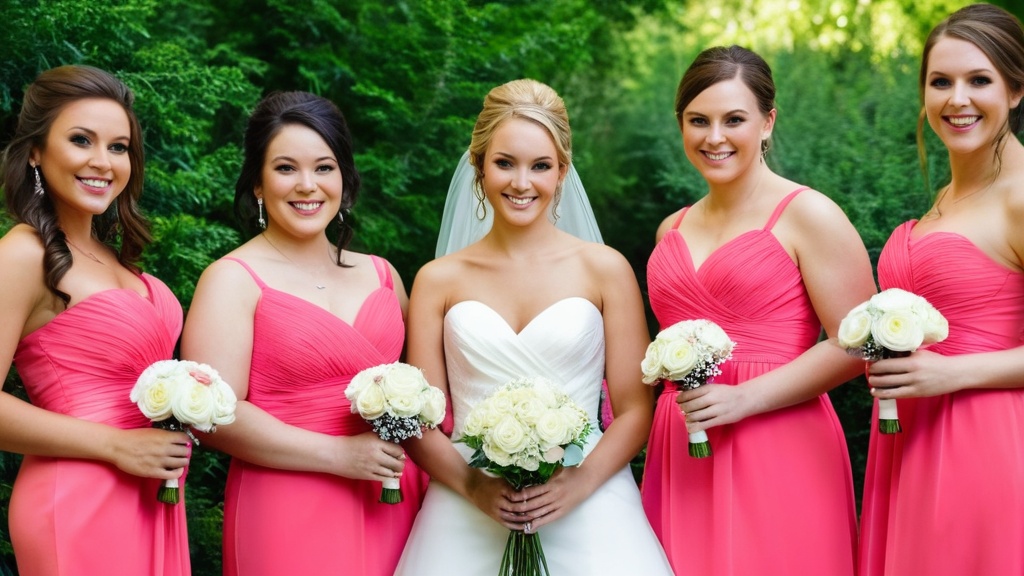
When I observe the planning processes of modern weddings, I consistently notice that behind the logistics and meticulous scheduling lies a complex web of financial expectations. For those asked to stand alongside a bride on her wedding day, the initial honor is frequently followed by a quiet, pragmatic assessment of the costs involved. Chief among these expenses is the bridesmaid dress. This single garment often becomes a focal point for broader questions about wedding etiquette and interpersonal obligations. Over time, I have watched the conventions surrounding this purchase shift considerably. To understand how we handle these costs today, I find it necessary to examine both historical norms and the current financial realities facing wedding parties in 2024 and 2025.
I have long noted that wedding etiquette is not a static set of rules, but rather a reflection of prevailing societal norms. The question of who pays for bridesmaid attire provides a clear example of how these standards evolve.
The Customary Approach
In my study of traditional wedding protocols, the customary approach has generally been straightforward: bridesmaids pay for their own dresses. For decades, assuming this financial responsibility was viewed as an inherent part of the commitment to joining the wedding party. When I talk to individuals who participated in weddings twenty or thirty years ago, they rarely questioned this standard. The expectation was that if you accepted the role, you accepted the bill that came with it. The dress was categorized alongside the bridal shower gift and the travel expenses as a baseline requirement of the position.
The Modern Shift
However, as I analyze more recent weddings, I observe a distinct modern shift in these expectations. It is becoming increasingly common for brides to step in and either contribute to the dress cost or cover it entirely. I attribute this largely to a growing awareness of the economic pressures facing young adults today. Many couples are recognizing that asking friends to spend significant amounts of money on a single-use garment can lead to resentment. As a result, I see more couples absorbing these costs into their overall wedding budgets, treating the attire of their wedding party as a production expense rather than an individual obligation.
What Recent Polling Tells Us
The extent of this shift is heavily supported by modern data. I recently reviewed polling on this exact topic, and the findings highlight a stark departure from past traditions. Currently, 83% of respondents state they believe the couple should pay for bridesmaid dresses. Conversely, only 17% maintain the traditional view that the bridesmaids themselves should shoulder the cost. In my view, this overwhelming majority indicates that the cultural consensus has firmly pivoted. While the traditional rule still exists, public opinion heavily favors a model where the couple takes financial responsibility.
When planning a wedding, one important consideration is who pays for bridesmaid dresses, which can often lead to discussions about budgeting and expectations. For those interested in exploring more wedding-related topics, you might find it helpful to read about the most popular mother-son wedding dance songs. This article provides insights into meaningful song choices that can enhance the emotional moments of the day. You can check it out here: most popular mother-son wedding dance songs.
Current Financial Realities: Average Costs in 2024 and 2025
Etiquette and abstract expectations are one thing, but actual dollar amounts dictate the practical outcome. When I look at the projected costs for 2024 and 2025, it becomes clear why tensions can arise if budgets are not discussed proactively.
The Overall Averages and Typical Ranges
Based on recent market data, I can see that the overall average cost for a bridesmaid dress currently sits at $128. However, an average only tells part of the story. The typical range I encounter spans from $100 up to $300, with the bulk of purchases falling specifically between the $130 and $150 mark. For a single line item in a personal budget, $150 may not seem insurmountable, but I consistently remind those planning weddings that this is rarely the only expense a bridesmaid incurs.
Generational Differences in Spending
I find the generational breakdown of these costs particularly revealing. The data indicates that Gen X weddings feature the highest average dress cost at $146. This makes sense to me, as individuals in this demographic are usually further along in their careers and generally have higher disposable incomes. By contrast, Gen Z weddings sit at the lowest end of the spectrum, with an average dress cost of $118. Millennials fall squarely in the middle, recording an average of $131 per dress. When I evaluate these numbers, they reflect a pragmatic adaptation to the economic realities facing different age groups.
Regional Variations to Keep in Mind
In addition to generational factors, I pay close attention to geographic variables. Regional variation plays a noticeable role in the final price tag. For example, in the Mid-Atlantic and Northeast regions of the United States, I observe that the average cost climbs closer to $140. Whether driven by higher local costs of living or variations in regional wedding preferences, it serves as a reminder to me that a “standard” budget in one city might be entirely insufficient in another.
Navigating the Financial Burden: Who Really Pays for What?

Identifying the average price of a dress is only the first step. The more complex issue I see couples wrestling with is determining precisely how the financial burden should be distributed among the parties involved.
When the Bride Should Pay or Subsidize
If I have to offer a definitive rule on this matter, it centers heavily on the degree of control the bride chooses to exercise. If a bride expects her attendants to wear a highly specific dress from a high-end designer, I believe she assumes the responsibility of either paying for it outright or heavily subsidizing the difference. The general etiquette consensus I support is that if the bride specifies a particular dress, strict color requirement, or niche style that falls outside a standard budget, she must step in financially. It is unreasonable to mandate a $300 gown and expect an attendant to cover it silently, particularly when the typical threshold usually caps at $150.
The Hidden Costs: Shoes, Alterations, and Accessories
When I evaluate total expenses, I quickly notice that the dress itself is just the foundation. Hidden costs accumulate rapidly. Traditionally, bridesmaids pay for their own shoes, necessary alterations, and accessories. Unless the bride specifically offers to contribute to or cover these items, the bridal party should continue to expect to handle them. I frequently warn bridesmaids that a $128 dress can easily transform into a $250 ensemble once hemming, taking in the bodice, purchasing dye-to-match shoes, and acquiring specific jewelry are factored into the equation.
Best Practices for Brides and Bridesmaids
To bridge the gap between shifting expectations and the cold reality of retail prices, I strongly advocate for a set of best practices. These practical steps can dismantle the anxiety that usually surrounds wedding party expenses.
Initiating Honest Budget Conversations
The single most effective strategy I can recommend is to have honest conversations about budget expectations before anyone ever sets foot in a bridal boutique or clicks on a checkout page. In my experience, waiting until everyone has fallen for a specific design is a recipe for disaster. I advise brides to reach out to their attendants individually to discuss what they are comfortable spending. This allows the bridal party to answer honestly without the peer pressure of a group setting. By gathering this data early, the bride can establish a realistic baseline and ensure she selects options that will not impose an undue hardship on anyone.
Embracing Flexible Styling and Re-wearability
Another highly effective best practice I increasingly witness is a pivot toward flexible styling. If bridesmaids are indeed paying for their own attire, offering them a degree of autonomy over what they wear lessens the financial sting. I often recommend allowing attendants to choose dresses in different styles within a specified color palette. By doing so, bridesmaids are far more likely to select a dress that genuinely fits their body type and personal aesthetic—a garment they can actually wear again. To me, a one-time use dress feels like an obligation, whereas a reusable dress feels like an investment.
When planning a wedding, many couples often wonder about the various costs involved, including who pays for bridesmaid dresses. This topic can spark discussions among friends and family, as expectations may vary. For those interested in understanding the financial aspects of weddings further, you might find it insightful to read about how much wedding venues make. This article provides a deeper look into another significant expense that couples face while organizing their special day. You can check it out here.
The Key Principle: Communication and Transparency
| Bridesmaid Dresses | Who Pays |
|---|---|
| Bride | Traditionally, the bride pays for the bridesmaid dresses. |
| Bridesmaids | Sometimes, bridesmaids may be asked to contribute to the cost of their dresses. |
| Shared | In some cases, the cost may be shared between the bride and the bridesmaids. |
Across all the varying costs, generational differences, and modern etiquette debates, there is a fundamental underlying concept that I consider non-negotiable.
Setting Expectations Early
Communication and transparency regarding financial expectations are absolutely crucial. I consistently see that ambiguity breeds anxiety. If a bride plans to follow the traditional route and expects her bridal party to pay for their attire, she must communicate this clearly upon asking them to step into the role. Conversely, if a bride intends to cover the costs, articulating this early alleviates immediate stress. Providing a clear roadmap of expectations allows bridesmaids to make informed decisions about whether or not they have the financial capacity to accept the invitation in the first place.
Avoiding Conflict and Preserving Relationships
Ultimately, my prevailing philosophy is that a wedding is a singular event, but friendships should endure long past the conclusion of the reception. A lack of transparency regarding finances is one of the quickest ways to erode a relationship. When an individual feels blindsided by a $200 alteration bill on top of a $150 dress, resentment simmers. Focusing on open dialogue ensures that bridesmaids feel valued for their presence and support, rather than utilized as financial props for an aesthetic vision. When I advise couples, I remind them constantly: prioritizing the financial well-being of the wedding party over rigid visual conformity not only reflects proper modern etiquette, but also demonstrates basic respect for the people standing beside them.
FAQs
1. Who traditionally pays for bridesmaid dresses?
Traditionally, the bridesmaids are responsible for purchasing their own dresses and covering the associated costs.
2. Are there any exceptions to who pays for bridesmaid dresses?
In some cases, the bride may choose to cover the cost of the bridesmaid dresses as a gesture of appreciation for their participation in the wedding.
3. What are the typical costs associated with bridesmaid dresses?
The cost of bridesmaid dresses can vary widely depending on factors such as the designer, style, and fabric. On average, bridesmaid dresses can range from $100 to $300 or more.
4. Are there ways to minimize the financial burden on bridesmaids for their dresses?
Brides can consider options such as allowing bridesmaids to choose their own dresses within a specified color palette or opting for more affordable dress options to help minimize the financial burden on bridesmaids.
5. Should bridesmaids discuss any concerns about the cost of their dresses with the bride?
It is important for bridesmaids to communicate openly with the bride about any concerns they may have regarding the cost of their dresses. This can help ensure that everyone is on the same page and that any financial concerns are addressed.

55 comments
ProDentim is a distinctive oral-care formula that pairs targeted probiotics with plant-based ingredients to encourage strong teeth, comfortable gums, and reliably fresh breath.
Mitolyn is a carefully developed, plant-based formula created to help support metabolic efficiency and encourage healthy, lasting weight management.
AquaSculpt is a high-quality metabolic support supplement created to help the body utilize fat more efficiently while maintaining steady, reliable energy levels throughout the day.
PurDentix is a revolutionary oral health supplement designed to support strong teeth and healthy gums. It tackles a wide range of dental concerns
HeroUP is a premium mens wellness formula designed to support sustained energy, physical stamina, and everyday confidence.
Boostaro is a purpose-built wellness formula created for men who want to strengthen vitality, confidence, and everyday performance.
InsuLeaf is a high-quality, naturally formulated supplement created to help maintain balanced blood glucose, support metabolic health, and boost overall vitality.
Maintaining prostate health is crucial for men’s overall wellness, especially as they grow older. Conditions like reduced urine flow, interrupted sleep
The bodys natural process of skin cell renewal is essential for preserving a smooth, healthy, and youthful-looking complexion.
Arialief is a carefully developed dietary supplement designed to naturally support individuals dealing with sciatic nerve discomfort while promoting overall nerve wellness.
Manergy is an advanced male vitality supplement created to help support healthy testosterone levels
Gluco6 is a natural, plant-based supplement designed to help maintain healthy blood sugar levels.
Kerassentials is an entirely natural blend crafted with 4 potent core oils and enriched by 9 complementary oils and vital minerals.
Nitric Boost Ultra is a daily wellness formula designed to enhance vitality and help support all-around performance.
ProstAfense is a premium, doctor-crafted supplement formulated to maintain optimal prostate function, enhance urinary performance, and support overall male wellness.
GL Pro is a natural dietary supplement formulated to help maintain steady, healthy blood sugar levels while easing persistent sugar cravings.
Prosta Peak is a high-quality prostate wellness supplement formulated with a comprehensive blend of 20+ natural ingredients and essential nutrients to support prostate health
MounjaBoost is a next-generation, plant-based supplement created to support metabolic activity, encourage natural fat utilization
Prostadine concerns can disrupt everyday rhythm with steady discomfort, fueling frustration and a constant hunt for dependable relief.
Visium Pro is an advanced vision support formula created to help maintain eye health, sharpen visual performance, and provide daily support against modern challenges such as screen exposure and visual fatigue.
ViriFlow is a dietary supplement formulated to help maintain prostate, bladder, and male reproductive health. Its blend of plant-based ingredients is designed to support urinary comfort and overall wellness as men age.
NerveGenics is a naturally formulated nerve-health supplement created to promote nerve comfort, cellular energy support, antioxidant defense
NerveCalm is a high-quality nutritional supplement crafted to promote nerve wellness, ease chronic discomfort, and boost everyday vitality.
GL Pro is a natural dietary supplement formulated to help maintain steady, healthy blood sugar levels while easing persistent sugar cravings.
NativeGut is a precision-crafted nutritional blend designed to nurture your dog’s digestive tract.
AquaSculpt is a high-quality metabolic support supplement created to help the body utilize fat more efficiently while maintaining steady, reliable energy levels throughout the day.
The bodys natural process of skin cell renewal is essential for preserving a smooth, healthy, and youthful-looking complexion.
MounjaBoost is a next-generation, plant-based supplement created to support metabolic activity, encourage natural fat utilization
Nitric Boost Ultra is a daily wellness formula designed to enhance vitality and help support all-around performance.
This is a useful resource.
Monetize your traffic instantly—enroll in our affiliate network!
Start profiting from your network—sign up today!
ProDentim is a modern oral-health supplement formulated with specialized probiotics and naturally sourced ingredients to help maintain firm teeth
AquaSculpt is a high-quality metabolic support supplement created to help the body utilize fat more efficiently while maintaining steady
GL Pro is a natural dietary supplement formulated to help maintain steady, healthy blood sugar levels while easing persistent sugar cravings.
Backbiome is an advanced daily wellness supplement formulated to help support spinal comfort, reduce feelings of built-up tension, and promote freer, smoother movement throughout everyday life.
NerveCalm is a high-quality nutritional supplement crafted to promote nerve wellness, ease chronic discomfort, and boost everyday vitality.
PurDentix is a revolutionary oral health supplement designed to support strong teeth and healthy gums. It tackles a wide range of dental concerns, including gum inflammation and tooth decay
Boostaro is a modern mens wellness formula created to support daily vitality, stamina, and confidence through a practical, natural routine.
AquaSculpt is a high-quality metabolic support supplement created to help the body utilize fat more efficiently while maintaining steady
Backbiome is an advanced daily wellness supplement formulated to help support spinal comfort, reduce feelings of built-up tension, and promote freer, smoother movement throughout everyday life.
GL Pro is a natural dietary supplement formulated to help maintain steady, healthy blood sugar levels while easing persistent sugar cravings.
https://shorturl.fm/Z4Yfl
Great article! Really insightful perspective. I found it very helpful. jjrugdmyzumqdwnnmxkisvilqqwlxx
https://shorturl.fm/9fvEs
https://shorturl.fm/hN7dl
Excellent breakdown of the topic. Really informative! ycfesekbynkznroztovg
https://shorturl.fm/aZ0TW
https://shorturl.fm/Cgeb3
https://shorturl.fm/hOeoA
This was incredibly useful and well written.
https://shorturl.fm/XjrOU
https://shorturl.fm/CkQj3
https://shorturl.fm/iB23l
https://shorturl.fm/5xCH8