
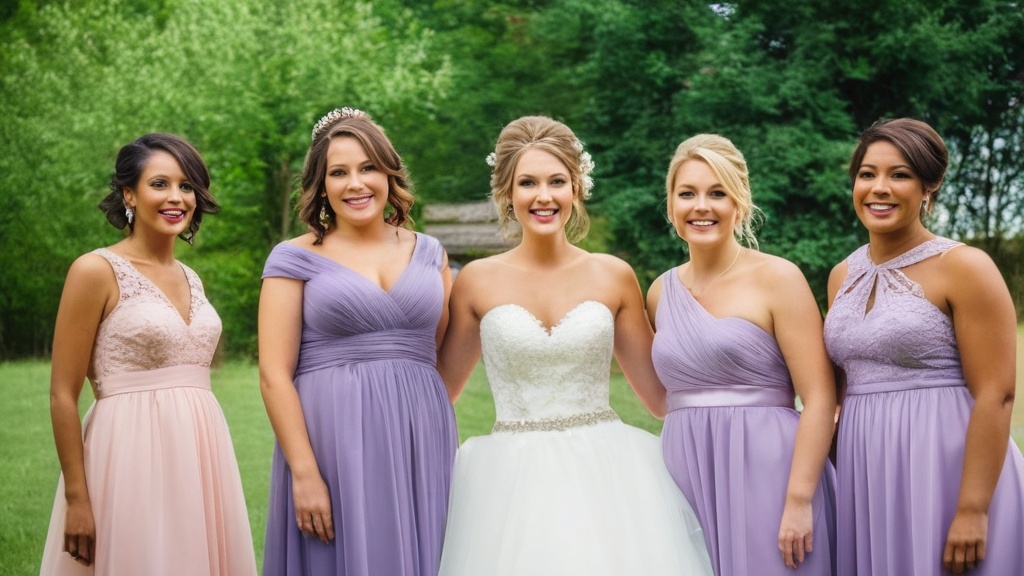
I have accumulated several bridesmaid dresses over the years from participating in the weddings of friends and family members. Historically, these garments represent a significant financial investment, often costing hundreds of dollars, yet they are traditionally worn for a single event lasting only a few hours. Hanging them in the back of my closet has always felt like an inefficient use of storage space and a waste of usable textiles. Instead of allowing yards of expensive fabric to gather dust, I began heavily researching and applying actionable methods to give these garments a second life. I discovered that with a bit of planning, basic sewing skills, or the calculated assistance of a professional, it is entirely feasible to upcycle these formal gowns into functional items that I actually use on a regular basis.
Converting to Cocktail Dresses
I usually find the most straightforward way to make a floor-length gown wearable again is to structurally alter its length and silhouette. A floor-sweeping gown is generally too formal for anything but a gala or another black-tie wedding. By shortening the hem to knee-length, I effectively convert it into a standard cocktail dress, which I can then wear to holiday parties, semi-formal dinners, or standard evening events. To do this, I measure the desired length carefully, allow for an appropriate seam allowance, and sew a blind hem so the stitches do not visibly disrupt the satin or crepe. If the dress feels dated, I remove the bulky sleeves or heavy straps to create a sleek strapless or modern halter neckline. Adapting a dress to a strapless design occasionally requires adding supportive boning. Finally, I often add modest embellishments to mask the reconstruction. Adding simple beadwork along the neckline or attaching a contrasting velvet ribbon at the waist gives the upcycled cocktail dress a refreshed identity.
Restyling into Modern Separates
Taking the garment apart entirely is another highly effective method I utilize. In 2022, I observed a practical demonstration by eco expert Julia Grieve that fundamentally changed how I view formalwear alterations. She modeled exactly how to restyle these rigid garments into functional modern outfits by separating them into distinct upper and lower pieces. Following her guidance, I routinely separate the bodice from the skirt. I turn the structured, fitted bodice into a bra top, cleanly finishing the raw bottom edge with bias tape. I frequently pair this upcycled top with casual denim, which dresses down the formal fabric and allows it to integrate easily into an everyday wardrobe. As for the bottom half, I modify the fabric into a mid-rise slit skirt. This updated skirt becomes a highly versatile piece; pairing it with a tailored blazer and a neutral, fitted top creates a balanced contemporary outfit that betrays no signs of its origin as a matching bridesmaid ensemble.
If you’re looking for creative ways to repurpose old bridesmaid dresses, you might find inspiration in the article on how to start wedding vows. This resource offers unique ideas that can help you reflect on the memories associated with those dresses while crafting heartfelt vows for your own special day. To explore this further, check out the article here: how to start wedding vows.
2. Crafting Delicate Accessories and Accents
Everyday Fashion Accessories
When a dress simply does not fit my current measurements, or if the fabric is stained or damaged in certain areas, I harvest the intact sections to craft functional accessories. The materials typically utilized for bridesmaid arrays—such as stiff satins, organzas, and heavily woven brocades—are ideal for structural accessories like evening bags. Using a standard clutch pattern, I cut the undamaged fabric, stabilize it with heavyweight interfacing, and construct a new bag, sometimes even salvaging the dress’s original zipper. I also cut wide strips of fabric to fold, press, and sew into sashes that pair well with plain tunics. For the smaller, softer scraps left over from the lining, I sew compact jewelry rolls. A fabric jewelry roll requires multiple small pockets and fabric tie closures, making it an excellent project for varied offcuts. It provides me with a secure, highly organized way to transport my rings and necklaces when traveling. Lastly, I wrap thin strips of the fabric around elastic to craft simple hairbands.
Removing Existing Accents for Specific Needs
Furthermore, the dress itself is not always what I want to salvage; occasionally, I am only interested in extracting its hardware or external decorations. Many older bridesmaid dresses feature dense decorations, such as large, poofy fabric flowers, structured bows, or sections of heavy beadwork. Rather than discarding the garment in its entirety, I use a sharp seam ripper to carefully detach these accents, making sure I do not tear the underlying base fabric. Once the accents are removed, I repurpose them for new items. I attach detached poofy flowers to the side of a plain headband to create an instant statement accessory. I also use these extracted embellishments to update standard handbag details, gluing an old fabric bow or beaded appliqué over scuffed areas on my current purses. In addition, I use these detached fabric accents on the corners of standard throw pillows to introduce a layer of texture without having to dismantle the entirety of the original dress.
3. Repurposing Fabric for Children’s Outfits

Constructing Flower Girl Dresses and Costumes
The raw volume of fabric found in a standard bridesmaid skirt is substantial. Because a miniature dress naturally requires significantly less material than an adult garment, I consistently find I have more than enough yardage to construct subsequent outfits for the children in my family. I regularly utilize these salvaged materials to construct flower girl dresses for new family weddings. By reusing the high-quality silk, satin, or tulle that I already own, I bypass retail costs while keeping the textiles out of a landfill. Aside from actual formal events, the bright pigments and voluminous layers standard to bridal party attire translate perfectly into children’s playwear. I disassemble heavy skirts to sew accurate princess costumes or layered fairy outfits. This method yields play clothes that are far more durable than standard, mass-produced children’s costumes, which tend to be manufactured from cheap synthetics that fray immediately.
Designing Seasonal Holiday Wear
Constructing seasonal clothing represents another methodical application for these fabrics. Garments in shades of deep red, emerald green, crisp navy, or any metallic finish naturally lend themselves to holiday wear. To repurpose them, I select a standard children’s sewing pattern for a party dress or a matching vest-and-trousers set. I unfurl the largest, uninterrupted panels of the bridesmaid skirt on my cutting table and extract the necessary pattern pieces. Because the textile was originally engineered for formal occasions, the resulting children’s holiday wear possesses a structured, appropriate appearance suitable for events like family dinners or holiday portraits. By utilizing the fabric from my closet, I eliminate the need to purchase dedicated, expensive seasonal children’s clothing—a practical step given how rapidly children outgrow such specialized, single-use outfits.
4. Creating Custom Home Décor Items
Decorating the Living Space
I do not restrict my upcycling efforts to apparel. Integrating formal fabrics into my home décor proves to be an efficient avenue for garments that cannot be reasonably salvaged as clothing. Specific materials cater to specific household elements. I rely on stiff, durable fabrics like taffeta and heavily woven satin to construct cases for throw pillows. I draft uniform square measurements, install simple envelope closures on the reverse sides, and insert standard pillow forms. Conversely, if the bridesmaid dress features sheer overlays composed of chiffon or organza, I cut those lightweight layers into broad rectangles, hem the loose edges with my sewing machine, and utilize them as table runners for my dining room. They introduce depth to the table setting without a heavy financial layout. I even preserve the smallest extraneous offcuts, gluing the fabric tightly around the borders of basic wooden frames to produce custom picture frame accents that align seamlessly with my living space’s color palette.
Crafting Seasonal Holiday Decorations
Large, voluminous skirts require targeted projects to utilize their mass effectively. Converting the bottom half of an older gown into a Christmas tree skirt is among the most reliable techniques I employ to handle excessive yardage. The architecture of a traditional formal gown frequently involves a sweeping, circular cut at the hemline. This geometry naturally aligns with the shape required for a functional tree skirt. I calculate the diameter required to cover the base of my tree, cut the gown horizontally at the appropriate height, and slice open one vertical seam to form a slit leading to the center opening. I strictly bind all raw interior edges to halt fraying. Utilizing a discarded bridesmaid dress in this manner yields a dense, opaque tree skirt that easily obscures metal stands while remaining structured enough to endure years of standard seasonal storage.
If you’re wondering what to do with old bridesmaid dresses, you might find inspiration in a related article that discusses creative ways to repurpose and upcycle these garments. From transforming them into stylish home decor to donating them for a good cause, there are numerous options to consider. For more ideas on planning memorable experiences, check out this article on all-inclusive honeymoon packages that can help you celebrate love in unique ways.
5. Utilizing Professional Services and Donation Channels
| Options | Details |
|---|---|
| Donate | Give the dress to a charity or organization that accepts formal wear donations. |
| Resell | List the dress for sale online or at a consignment shop. |
| Repurpose | Transform the dress into a new garment or accessory. |
| Swap | Exchange the dress with a friend or family member for a different item. |
| Upcycle | Use the fabric to create something new, such as a quilt or pillow. |
Relying on Professional Alterations
It is necessary to recognize the limits of my own technical sewing abilities. Working with slippery synthetic linings, rigid internal corsetry, or intricate lace overlays often exceeds my skill set. When I desire to keep the garment but the required modifications are complex, I transport the dress to a professional seamstress. By outlining my precise goals, I have professionals perform structural alterations to reform the gown into a sharply tailored new formal dress. I also engage professional tailors to reconstruct the material into entirely different garments, such as structured blazers and pleated skirts, ensuring the final products exhibit proper tension and clean seams. In preparation for subsequent weddings, I have a professional tailor utilize the remaining fabric to craft specific, required wedding accessories, like a reinforced ring bearer pillow, guaranteeing the stitching is technically sound.
Donating to Worthy Causes
When I do not possess the time to coordinate an upcycling project, or if the dress remains in pristine condition and should logically be worn exactly as designed, I simply donate it. Storing completely unworn clothing serves no functional benefit. I strategically seek out non-profit organizations that explicitly handle formalwear, bypassing general thrift stores. I deliberately package the dresses and ship them to targeted entities like the Princess Project or Donate My Dress. These organizations operate with the specific goal of distributing donated formal gowns to high school students and teenagers who require formal outfits for proms and senior formals but cannot meet standard retail prices. Retaining the dress in its original unmodified state and passing it directly into this donation pipeline ensures the garment fulfills a practical utility for an individual in need while efficiently clearing my own storage space.
FAQs
1. What are some options for repurposing old bridesmaid dresses?
There are several options for repurposing old bridesmaid dresses, including donating them to organizations that provide formal attire to those in need, selling them online or at consignment shops, or altering them to be worn for other special occasions.
2. Can old bridesmaid dresses be altered to be worn again?
Yes, old bridesmaid dresses can often be altered to be worn again for other special occasions. This can include shortening the hem, changing the neckline, or adding embellishments to give the dress a new look.
3. Are there organizations that accept donations of old bridesmaid dresses?
Yes, there are organizations that accept donations of old bridesmaid dresses, such as organizations that provide formal attire to individuals who cannot afford to purchase their own for special events like proms or weddings.
4. What are some creative ways to repurpose old bridesmaid dresses?
Some creative ways to repurpose old bridesmaid dresses include turning them into cocktail dresses, using the fabric to create new garments or accessories, or repurposing them as costumes for theatrical productions or themed events.
5. Is it common to sell old bridesmaid dresses?
Yes, it is common to sell old bridesmaid dresses, either online through platforms like eBay or Poshmark, or at consignment shops that specialize in formal attire. This can be a way to recoup some of the original cost of the dress and give it a new life with another wearer.

3 comments
ProDentim is a distinctive oral-care formula that pairs targeted probiotics with plant-based ingredients to encourage strong teeth, comfortable gums, and reliably fresh breath.
https://shorturl.fm/xTlEK
https://shorturl.fm/HTxvd