
Finding the perfect wedding guest dress doesn’t have to be a guessing game of endless scrolling or frustrating mall trips. The best places to buy wedding guest dresses in range from expansive online retailers offering thousands of styles to specialized boutiques catering to specific sizes or budgets, ensuring you can find an outfit that fits the dress code, your personal style, and your wallet with MINIMAL fuss.
Our research shows that knowing where to shop is half the battle. Before buying, use the wedding invitation as your first guide, since the stated dress code and event timing usually provide the clearest indication of what to wear. Emily Post’s wedding guest attire guide offers additional guidance on formality, timing, and appropriate guest clothing.
Key Takeaways
- Online is KING: Retailers like Lulus, ASOS, Nordstrom, and Revolve offer broad selections across different styles and budgets.
- Budget-Friendly Champions: ASOS, Lulus, and H&M are your go-to for stylish options under $100.
- Designer & Luxury: NET-A-PORTER, Saks Fifth Avenue, and Moda Operandi are useful destinations for designer occasionwear.
- Size-Inclusive Options: Nordstrom, ASOS, and Baltic Born are strong contenders for petite and plus-size guests.
- Check Return Policies: ALWAYS review a retailer’s return window and conditions before committing, especially for online purchases.
- Dress Code is KEY: Black tie demands floor-length gowns, while semi-formal outdoor events allow for versatile midi or maxi dresses.
- Jumpsuits ARE Accepted: A well-tailored jumpsuit can be a chic and appropriate alternative to a dress for many wedding types.
- Avoid Wedding-Colored Attire: Steer clear of white, ivory, or anything too close to the bridal gown.
- Shop Early: Aim to buy your dress at least 1-2 months in advance to allow for shipping and alterations.
What Are Some Good Online Stores for Wedding Guest Dresses?
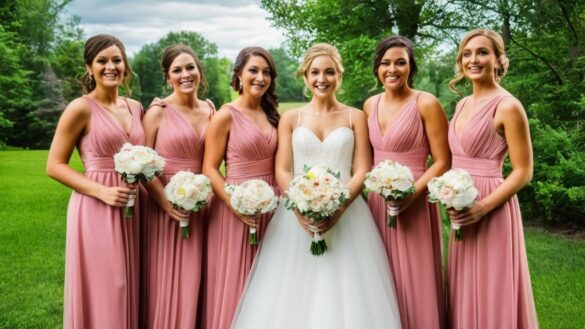
For a broad selection and convenient shopping, consider retailers such as Lulus, ASOS, Nordstrom, and Revolve. Each offers different brands, price ranges, silhouettes, and occasionwear collections.
Much like comparing the soundstage of different headphones, you’ll find distinct strengths in each platform.
Top Online Retailers: TESTED and Compared!
- Lulus: Lulus focuses heavily on occasionwear and offers dresses for weddings, parties, and other formal events. Its product pages also provide sizing information and customer reviews that can help shoppers assess fit. Before ordering, check the current Lulus return policy, which currently provides a 21-day return window for eligible items.
- ASOS: ASOS offers a large selection of dresses from its own brand and other labels. Its filters make it easier to narrow results by size, style, color, length, and occasion. Always check the current ASOS returns policy before purchasing.
- Nordstrom: Nordstrom is a strong option for shoppers who want a mix of contemporary brands, designer labels, and occasionwear. Its online selection also makes it easier to compare different price ranges in one place.
- Revolve: Revolve focuses on contemporary fashion and carries many occasionwear brands. It can be useful when you’re looking for a more fashion-forward wedding guest outfit.
- Rent the Runway: Rent the Runway is an alternative to buying. Renting can make sense when you want a designer look for one event without purchasing a dress you may rarely wear again.
Where Can I Find Affordable Wedding Guest Dresses?
Affordable wedding guest dresses are readily available from online retailers like Lulus and ASOS, as well as fast-fashion giants like H&M and Zara, offering stylish options typically under $100 without compromising on modern aesthetics.
Pre-owned marketplaces can also reduce the cost of occasionwear. Platforms such as ThredUp, Poshmark, and The RealReal can be useful when you’re willing to spend more time searching for the right size and condition.
Budget-Friendly Powerhouses (Under $100 – $150)
- Lulus: As mentioned, Lulus consistently delivers on style and affordability. You can often find stunning dresses for under $100, especially during sales.
- ASOS: With its vast selection, ASOS has an entire section dedicated to dresses under various price points, making it easy to filter for budget-friendly options. You can snag some real gems for $50-$70.
- H&M & Zara: These fast-fashion retailers frequently stock on-trend dresses suitable for semi-formal or cocktail weddings. Their collections rotate quickly, so if you see something you like, grab it.
- Target: Don’t overlook Target! Their collaborations and in-house brands (like A New Day, Wild Fable) often feature surprisingly chic and affordable dresses that can work for less formal weddings.
- ThredUp & Poshmark: For the ultimate budget hack, consider pre-owned designer dresses. You can find high-quality pieces in excellent condition for a fraction of their original price. It requires a bit more digging, but the savings can be SIGNIFICANT.
What Are the Best Places to Buy Designer Wedding Guest Dresses?
For designer wedding guest dresses, high-end department stores like Nordstrom, Saks Fifth Avenue, and Bergdorf Goodman, along with luxury online boutiques such as Net-A-Porter and Moda Operandi, offer curated selections of exclusive labels and premium styles. These platforms are the audiophile’s choice for a truly exceptional experience.
Premier Destinations for Luxury Attire
- Net-A-Porter: The epitome of luxury online shopping. Net-A-Porter features a highly curated selection of designer dresses from the world’s most coveted brands. Expect exceptional quality, unique designs, and prices to match.
- Saks Fifth Avenue & Bergdorf Goodman: These iconic department stores offer an exquisite in-store and online shopping experience. Their collections span from established luxury houses to emerging designers, perfect for those black-tie affairs or high-profile events.
- Moda Operandi: For the fashion-forward guest seeking something truly unique, Moda Operandi allows you to pre-order pieces directly from runway collections. Their curated edits are impeccable and often feature exclusive designs.
- Nordstrom & Neiman Marcus: While also offering more accessible options, their designer sections are robust, featuring brands like Carolina Herrera, Oscar de la Renta, and Marchesa Notte. Look out for their seasonal sales, which can offer significant discounts on high-end pieces.
Are There Any Stores That Offer Petite Wedding Guest Dresses?
Yes, several stores specialize in or offer dedicated sections for petite wedding guest dresses, ensuring a better fit without extensive alterations, including Nordstrom, ASOS, and Lulus. These retailers understand that a proper fit is paramount, much like custom EQ settings can perfectly tailor sound.
Finding the PERFECT Petite Fit
- Nordstrom: Their petite department is consistently strong, featuring many popular brands in sizes specifically cut for frames 5’4″ and under. You’ll find both casual and formal options.
- ASOS: ASOS Petite is a treasure trove. Given their vast inventory, you can filter specifically for petite sizes in almost any style imaginable, from mini to maxi dresses.
- Lulus: While not exclusively petite, Lulus often offers dresses with adjustable straps or designs that are more forgiving for shorter statures. Always check the length measurements in the product description.
- Ann Taylor & LOFT: These retailers are known for their strong petite sizing across their entire collections, making them reliable for well-tailored dresses that don’t overwhelm a smaller frame.
- Petite Studio: A specialized online boutique focusing solely on petite women, offering chic and modern designs that are proportionally balanced.
Where Can I Find Plus Size Wedding Guest Dresses?
You can find a wide range of stylish plus-size wedding guest dresses at retailers such as Nordstrom, ASOS, Eloquii, and Baltic Born, which offer diverse designs and cuts specifically tailored for curvy figures. The market has FINALLY caught up, much to the delight of consumers.
Excellent Choices for Plus-Size Guests
- Nordstrom: Their extended sizing section is comprehensive, featuring a variety of brands and styles that cater to different tastes and dress codes. Quality and fit are generally excellent.
- ASOS Curve: Similar to their petite range, ASOS Curve provides an enormous selection of trendy and classic dresses designed specifically for plus-size figures. Their filters make it easy to narrow down options.
- Eloquii: A dedicated plus-size fashion brand that consistently delivers chic, modern, and well-fitting dresses for all occasions, including weddings. Their designs are often vibrant and fashion-forward.
- Baltic Born: Known for elegant and flowy styles, Baltic Born offers a strong selection of plus-size options that are flattering and comfortable, making them a great choice for various wedding themes.
- Dia&Co & Universal Standard: These brands focus on inclusive sizing and offer high-quality, stylish pieces. While not exclusively occasion wear, you can find versatile dresses that can be dressed up for a wedding.
What Are the Return Policies Like for Wedding Guest Dresses at Major Retailers?
Return policies for wedding guest dresses at major retailers typically range from 14 to 90 days, with most requiring items to be unworn, unwashed, and with all original tags attached, but always check the specific retailer’s policy to avoid surprises. This is a CRITICAL piece of information, especially when buying online where you can’t TEST the fit first.
Return Policy Breakdown for Top Retailers: DON’T Get Caught Out!
| Retailer | Standard Return Window | Key Conditions |
|---|---|---|
| Nordstrom | Case-by-case (Very lenient, often 90 days or more) | Tags attached, unworn, unwashed. Excellent customer service. |
| ASOS | 28 days (for full refund), up to 45 days (for gift voucher) | Tags attached, unworn, unwashed. Easy online return portal. |
| Lulus | 30 days (for full refund), up to 60 days (for store credit) | Tags attached, unworn, unwashed. $7 return shipping fee often applies. |
| Revolve | 60 days (for full refund), up to 90 days (for store credit) | Tags attached, unworn, unwashed. Free return shipping within 60 days. |
| Saks Fifth Ave. | 30 days | Tags attached, unworn, unwashed. Specific rules for final sale items. |
| H&M | 30 days | Tags attached, unworn, unwashed. Receipt required. |
| Zara | 30 days | Tags attached, unworn, unwashed. Receipt required. |
| Rent the Runway | Within 24 hours of delivery (rental) | Specific rental terms. Returns must be in the provided bag by the rental end date. |
Critical Reminder: ALWAYS read the fine print, especially for “final sale” items, which are typically non-returnable. Some retailers also have stricter policies for evening wear or special occasion dresses.
What Kind of Dress Is Appropriate for a Black Tie Wedding?
For a black tie wedding, the appropriate dress is a floor-length gown, typically made of luxurious fabrics such as silk, velvet, or formal crepe, often paired with sophisticated accessories. This is the wedding equivalent of a flagship over-ear headphone, go ALL out.
The Knot’s current wedding guidance also identifies floor-length evening gowns as the traditional choice while noting that sophisticated formal jumpsuits can work. The Knot’s black-tie wedding guest guide
Black Tie: Elevated Elegance is NON-NEGOTIABLE
- Floor-Length is MANDATORY: A long gown is the standard. Midi dresses are generally too casual, unless explicitly stated by the couple.
- Fabric Matters: Opt for elegant materials like chiffon, satin, silk, velvet, or brocade. Avoid cotton or jersey, which are too casual.
- Color & Embellishment: Deep jewel tones, classic black, or metallics are excellent choices. Subtle beading, sequins, or intricate embroidery can elevate the look.
- Fit: A well-fitted gown is key. Consider professional alterations for a polished silhouette.
- Accessories: Pair with formal jewelry, a clutch, and elegant heels. A shawl or wrap is practical for cooler evenings.
What Should I Wear to a Semi-Formal Outdoor Wedding?
For a semi-formal outdoor wedding, opt for a sophisticated midi or maxi dress in a breathable fabric like chiffon or cotton, ensuring comfort and elegance suitable for various terrains and weather conditions. Think versatile, like a great pair of gaming headsets that can also handle music. You can find more specific guidance on what to wear to a wedding as guest female.
Navigating the Outdoor Semi-Formal Dress Code
- Midi or Maxi Dresses: These lengths are perfect. They offer elegance without the formality or potential tripping hazard of a floor-length gown on grass or uneven surfaces.
- Fabric Choice: Prioritize comfort and breathability. Chiffon, linen blends, quality cotton, or lightweight crepe are excellent. Avoid heavy silks or velvets.
- Footwear: Block heels, wedges, or dressy flats are often a better choice than stilettos, which can sink into grass.
- Color & Pattern: Florals, pastels, or brighter jewel tones are all appropriate. Consider the time of year and location (e.g., brighter for a spring garden wedding, deeper tones for a fall vineyard).
- Accessories: A stylish clutch, delicate jewelry, and perhaps a light jacket or wrap for cooler evenings.
Can I Wear a Jumpsuit as a Wedding Guest?
Yes, you can absolutely wear a jumpsuit as a wedding guest, provided it is formal enough for the specific dress code, well-tailored, and made from appropriate fabrics. A chic jumpsuit can be a sophisticated and comfortable alternative to a dress.
Jumpsuits: A Modern & Stylish Alternative
- Consider the Dress Code: For semi-formal, cocktail, or even some formal weddings, a dressy jumpsuit can be perfectly appropriate. For black-tie, ensure it’s a very elegant, wide-leg, full-length option in a luxurious fabric.
- Fabric is Key: Look for jumpsuits in crepe, satin, silk blends, or tailored suiting fabrics. Avoid jersey, cotton, or denim.
- Tailoring: A perfectly tailored jumpsuit looks far more elevated. Ensure the length is right and the fit is flattering.
- Accessorize Smartly: Elevate a jumpsuit with statement jewelry, elegant heels, and a clutch. This is where you can REALLY make it wedding-appropriate.
- Color: Stick to wedding-appropriate colors, avoiding white or ivory.
What Colors Should I Avoid Wearing to a Wedding?
The primary color to avoid wearing to a wedding is white or any shade resembling the bride’s gown, such as ivory, cream, or champagne, unless explicitly requested by the couple. Additionally, some guests choose to avoid black (unless it’s a formal or black-tie event) or excessively bright, neon colors.
The Color Rulebook: DON’T Upstage the Bride
- White/Ivory/Cream/Champagne: This is the GOLDEN rule. Under no circumstances should you wear a dress that could be mistaken for a wedding gown. This includes white patterns on a light background.
- Black (with caveats): While black is a classic for formal and black-tie events, some cultures or more traditional weddings might view it as too somber. If you choose black, ensure it’s a festive fabric or accessorize with color.
- Neon/Fluorescent Colors: These can be distracting and rarely photograph well in a wedding setting. Best to save them for other occasions.
- Red (another caveat): While generally acceptable, some superstitions suggest red can symbolize anger or a past relationship with the groom. It’s not a hard-and-fast rule, but some guests prefer to avoid it.
- Matching Bridesmaids: If you know the bridesmaid dress color, it’s polite to avoid wearing something too similar, unless you want to risk blending in with the bridal party. To ensure you don’t inadvertently match, you might peek at guides like where to find stylish bridesmaid dresses.
What’s the Difference Between Cocktail and Formal Wedding Attire?
Cocktail wedding attire typically means a knee-length or midi-length dress that is stylish and festive, while formal wedding attire, also known as black-tie optional, usually calls for a long gown or a sophisticated midi dress in a dressier fabric.
The distinction is crucial, much like understanding the difference between open-back and closed-back headphones for specific listening environments.
Decoding Dress Codes: Cocktail vs. Formal
| Feature | Cocktail Attire | Formal Attire |
|---|---|---|
| Length | Knee-length, tea-length, or midi dress. | Floor-length gown or a very elegant, sophisticated midi dress. |
| Fabrics | Brocade, lace, silk, chiffon, satin, structured fabrics. | Silk, velvet, heavy lace, formal crepe, embellished fabrics. |
| Style | Stylish, celebratory, can be playful. | Elegant, sophisticated, classic. |
| Accessories | Dressy heels or flats, clutch, statement or delicate jewelry. | Formal heels, elegant clutch, fine jewelry. |
| Occasion Type | Evening weddings, celebratory parties, semi-formal events. | Upscale evening weddings, galas, events requiring refined elegance. |
| Emphasis | Chic and fashionable. | Polished and refined. |
Key Distinction: Formal is a step above cocktail. If you’re ever in doubt, it’s generally better to be slightly overdressed than underdressed, especially for formal events.
How Far in Advance Should I Buy a Wedding Guest Dress?
You should aim to buy a wedding guest dress at least 1-2 months in advance of the wedding date to allow ample time for shipping, potential returns or exchanges, and any necessary alterations. Procrastination is the enemy here, just as it is for planning the entire event; don’t wait until the last minute, similar to the critical timing for when to order bridesmaid dresses a timeline for wedding planning.
Planning Your Dress Purchase Timeline
- 2-3 Months Before: Start browsing and researching. This is ideal if you’re looking for something specific, a designer piece, or if you anticipate needing significant alterations.
- 1 Month Before: This is your MINIMUM buffer. Purchase your dress now. This allows for standard shipping times (1-2 weeks), plus a week or two for minor alterations (e.g., hemming).
- 2-3 Weeks Before: This is cutting it CLOSE. You’ll likely need expedited shipping, which adds cost, and finding a tailor with availability for rush alterations can be challenging.
- Less than 1 Week Before: AVOID this scenario at all costs. You’ll be limited to what’s immediately available in local stores and may have to compromise significantly on style, fit, or price.
What Are Some Common Mistakes People Make When Choosing a Wedding Guest Dress?
Common mistakes when choosing a wedding guest dress include wearing white or an inappropriate color, disregarding the dress code, neglecting comfort for style, and waiting until the last minute to shop, leading to rushed decisions and potential outfit regrets. These are fundamental errors, like ignoring impedance when pairing headphones with an amplifier.
The Pitfalls to AVOID
- Wearing White (or too close to it): The MOST common and easily avoidable faux pas. Unless explicitly told by the couple (e.g., a white party theme), leave white to the bride.
- Ignoring the Dress Code: Show up in a cocktail dress to a black-tie event, or a floor-length gown to a casual beach wedding, and you’ll feel out of place. ALWAYS check the invitation.
- Forgetting the Venue/Season: A heavy velvet dress for an outdoor summer wedding in Texas? A light chiffon for a winter wedding in New England? Think about the practicalities.
- Prioritizing Style Over Comfort: You’ll be sitting, standing, dancing, and eating for hours. A dress that looks great but is too tight, itchy, or restrictive will make for a miserable experience.
- Last-Minute Shopping: This almost guarantees you’ll settle for something less than ideal, pay more for shipping, or face a frantic search for alterations.
- Over-Accessorizing: Sometimes less is more. Let the dress shine, or choose one statement accessory.
- Forgetting Undergarments: The right bra, shapewear, or seamless underwear can make or break a look. Plan these with the dress.
What If I’m on a Tight Budget for a Wedding Guest Dress?
If you’re on a tight budget for a wedding guest dress, consider online retailers known for affordability like Lulus or ASOS, explore fast-fashion options such as H&M, or think creatively by renting a dress or looking for pre-owned gems.
Financial constraints don’t mean compromising on style, much like finding amazing value in budget noise-canceling options. For further assistance in managing wedding costs, check out how to plan a wedding on a tight budget.
Budget-Saving Strategies: Look GREAT, Spend LESS
- Shop Sales & Clearance Racks: ALWAYS check the sale sections first at Nordstrom, ASOS, and even designer sites. Off-season shopping can yield HUGE savings.
- Rent the Runway: For a single event, renting a designer dress is often significantly cheaper than buying. You get high fashion without the high price tag or storage commitment.
- Pre-Owned Marketplaces: Sites like ThredUp, Poshmark, and The RealReal offer gently used or even new-with-tags dresses from a wide range of brands, often at steep discounts.
- Fast Fashion Giants: H&M, Zara, and Mango frequently have stylish, on-trend dresses that are perfect for less formal weddings and won’t break the bank.
- Re-wear & Accessorize: Look through your own closet! Can an existing dress be re-styled with new accessories, a different jacket, or a fresh pair of shoes to feel new?
- Borrow from a Friend: If you have friends with similar taste and size, consider borrowing a dress they’ve worn to a different event.
FAQS
Is it acceptable to wear black to a wedding?
Yes, wearing black to a wedding is generally acceptable, especially for formal or black-tie events. For less formal weddings, accessorize with brighter colors to make the look more festive.
What’s the difference between “cocktail attire” and “semi-formal” for women?
For women, cocktail attire typically implies a dressy knee-length or midi dress. Semi-formal is very similar but can also include elegant separates or slightly more relaxed fabrics, especially for daytime or outdoor events.
How do I figure out the wedding’s dress code?
The dress code is usually specified on the wedding invitation or the couple’s wedding website. If it’s not clear, it’s best to ask a member of the bridal party or a close family member of the couple.
Can I wear a dress with a print to a wedding?
Yes, dresses with prints are perfectly acceptable, especially florals, abstract patterns, or subtle geometrics. Just ensure the print isn’t too distracting or casual, and avoid anything that clashes with the overall wedding aesthetic.
What kind of shoes should I wear if the wedding is outdoors?
For outdoor weddings, particularly on grass or uneven surfaces, opt for block heels, wedges, or dressy flats to ensure comfort and prevent sinking. Stilettos are generally best avoided.
Is it okay to wear pants to a wedding?
Yes, a sophisticated and well-tailored jumpsuit or a pantsuit can be a chic and appropriate alternative to a dress for many wedding dress codes, from semi-formal to cocktail. Ensure the fabric and style are dressy enough.
What’s a safe color choice if I’m unsure of the dress code?
Jewel tones (emerald, sapphire, ruby), classic navy, or sophisticated metallics are generally safe and elegant choices that work well across most dress codes, as long as they are appropriate for the season.
Should I bring a shawl or jacket?
Yes, it’s always a good idea to bring a shawl, wrap, or a light jacket, especially for outdoor weddings, evening receptions, or venues that might be air-conditioned.
Conclusion
Finding the perfect wedding guest dress is less about hunting and more about strategy. By leveraging the vast selections of online retailers like Lulus and ASOS for affordability, or curating choices from Nordstrom and Net-A-Porter for premium styles, you can navigate the wedding season with confidence.
Remember to prioritize the dress code, consider the venue and season, and most importantly, ensure your comfort throughout the celebration.
Don’t be swayed by overhyped, overpriced options when a little research can yield a stunning, well-suited outfit that truly sings. Start your search early, know your return policies, and you’ll be celebrating in style without a hitch.

2 comments
I’ve been trying a few different sites this month and this one really stands out. Great variety of games and the customer support is actually helpful. Check out vnmh66 if you want a stress-free experience.
Free adult online anime comicAll sex positions listNude girls in bisbeeTabboo teen linksXxx porkedSame
sex marriage in vermont packages9 inch naked teen boy dick8 tube free pornAsian fucked by pump xnxx
Mature bearmenWildside sex sceneFake nude sportsExhib gay publicTunisian adult actressMale
models hairyFemale bodybuilder adultSaphire of mansfield uk escortFemale domination superheroesSex and the city dvd compare https://beta.xnxxtubexxx.cc/ Cat doll lead pussyGirls naked showing there pussyCum swapping sluts freeTylene buck
by community nude forumSex offenders in lake county illinoisNude adult
fuckingPiss for pleasureFull length gay twinkJules nudeGay real estate agent xnxx Chineese assholeHow much money are
breast implantsErotic amateur thumbsOrgasm games 2009 jelsoft enterprises ltdViertal worlds for teensFirst lesbian kiss on filmBrazilian hot assGames of naked womenBig tit
ffm suck dickFree porn photos of nude pregnant women