
Bridesmaid dresses often represent a significant investment for a single-day event, leaving many wondering what to do with them afterward.
Repurposing these gowns offers a sustainable, budget-friendly, and often stylish solution, transforming a one-time wear into a versatile addition to your wardrobe or home decor. The U.S. Environmental Protection Agency’s guidance on textile reuse and recycling also supports keeping usable clothing in circulation through donation, reuse, or appropriate recycling rather than automatically sending it to the trash.
From simple alterations to creative DIY projects, there are numerous options to give these dresses a second life.
Key Takeaways
- Alterations are Key: Simple changes like shortening hems or adjusting necklines can transform a formal dress into everyday wear. The Knot’s bridesmaid dress alterations guide covers common changes such as hemming, strap adjustments, and taking in the bust, waist, or hips.
- Dyeing for a New Look: Changing the color can make a dress unrecognizable from its original bridesmaid iteration, opening up new styling possibilities.
- DIY Projects: Fabric from old dresses can be upcycled into accessories, home decor, or even children’s clothing.
- Formal Re-wear: With smart accessorizing, many bridesmaid dresses are suitable for other formal events.
- Ethical Disposal: Donation, selling, or fabric recycling are responsible ways to get rid of dresses you won’t repurpose.
- Consider Fabric Type: Natural fibers like silk and cotton are generally easier to alter and dye than synthetics.
- Professional vs. DIY: Assess your skill level and budget when deciding whether to tackle alterations yourself or hire a professional.
- Avoid Common Mistakes: Don’t cut fabric without a plan, choose a dye color that won’t work with the original, or underestimate alteration costs.
What Are Some Easy Ways to Alter a Bridesmaid Dress After the Wedding?
Easy alterations can dramatically change the look and wearability of a bridesmaid dress, transforming it from a formal gown into a versatile piece you’ll reach for regularly. Focus on changes that modify length, neckline, or silhouette to make it more casual or suited for different occasions.
The most straightforward alterations involve shortening the hemline to a cocktail, midi, or even knee-length. This instantly makes a dress less formal and more versatile for dinner parties or casual outings. Consider these simple modifications:
- Shorten the Hem: This is the most common and effective alteration. A floor-length gown can become a chic cocktail dress or a playful midi dress. For a truly casual look, even a knee-length cut can work.
- Change the Neckline: A high or boat neck can be scooped out or transformed into a V-neck to make it more modern or flattering. This often requires a professional, but a simple sweetheart neckline can sometimes be created by cinching and stitching.
- Remove Sleeves or Straps: If the dress has sleeves, consider removing them to create a sleeveless or strapless design, especially if you’re aiming for a summer-appropriate look. Thick straps can sometimes be thinned or replaced with delicate spaghetti straps.
- Add a Belt or Cinching: A wide, contrasting belt can instantly change the silhouette, defining the waist and breaking up a monochrome dress. This isn’t an alteration but a styling trick that makes a dress look repurposed.
- Create a Two-Piece Set: For dresses with a defined waist, you might be able to separate the bodice and skirt. The skirt can be worn with different tops, and the bodice can be styled as a crop top. This works particularly well with A-line or full skirts.
- Add Pockets: While a slightly more advanced alteration, adding subtle side pockets can make a dress much more functional and give it a relaxed, contemporary feel.
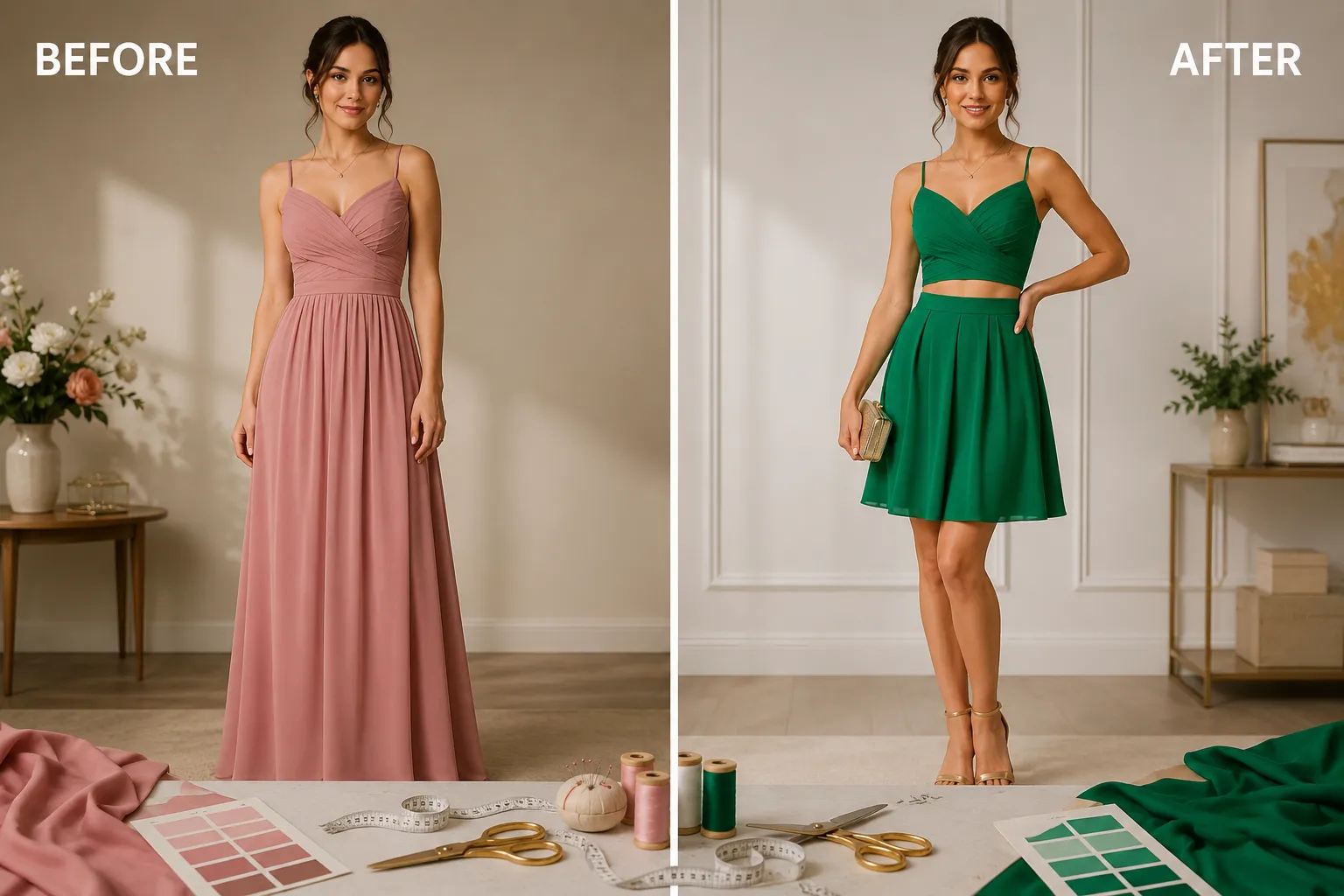
When considering alterations, always try the dress on and pin where you envision the changes. If you’re not confident with a sewing machine, a local tailor can often perform these simple adjustments without breaking the bank. For inspiration on finding the perfect gown, check out our guide on where to find stylish bridesmaid dresses.
How Can I Dye a Bridesmaid Dress a Different Color?
Dyeing a bridesmaid dress is an effective way to completely reinvent its appearance, making it suitable for new events or even everyday wear. The success of dyeing largely depends on the fabric composition and the original color of the dress.
The general rule is that natural fibers (cotton, silk, linen, rayon) take dye much better than synthetic ones (polyester, nylon, acetate). If your dress is a synthetic blend, look for dyes specifically designed for synthetics, but be aware that results can be unpredictable. Here’s a quick guide:
- Check Fabric Content: This is the CRITICAL first step. Look at the care tag. If it’s 100% natural fiber, you have the best chance for a vibrant, even dye job. Polyester will be the most challenging, often resulting in a lighter, mottled color or no color change at all unless using specialized disperse dyes which require high heat.
- Choose Your Dye: Brands like Rit Dye offer options for both natural and synthetic fabrics. For a complete color change, choose a darker dye color than the original dress. If you’re going from a light color to a dark, the process is usually smoother. For example, a light pink silk dress could become a rich burgundy or deep navy.
- Prepare the Dress: Wash the dress thoroughly to remove any sizing or finishes that could interfere with dye absorption. Ensure it’s completely clean and damp before dyeing.
- Follow Dye Instructions Precisely: Each dye has specific instructions regarding water temperature, salt or vinegar additives, and soaking time. DO NOT guess. Use a large enough container to allow the dress to move freely, ensuring an even dye job.
- Test First (if possible): If you have any scrap fabric from the dress (e.g., from a hem alteration), test the dye on that first to see the outcome.
- Rinse and Wash: Once dyed, rinse the dress in cold water until the water runs clear. Then, wash it separately in cold water with a mild detergent and air dry.
Expert Tip: If your dress is a light pastel, going a few shades darker within the same color family (e.g., light blue to navy) yields more consistent results than trying to completely switch to a contrasting color (e.g., light blue to red). Professional dyeing services are available and can handle more complex fabric types and color transformations, though this comes at a higher cost.
What DIY Projects Can I Make with Old Bridesmaid Dress Fabric?
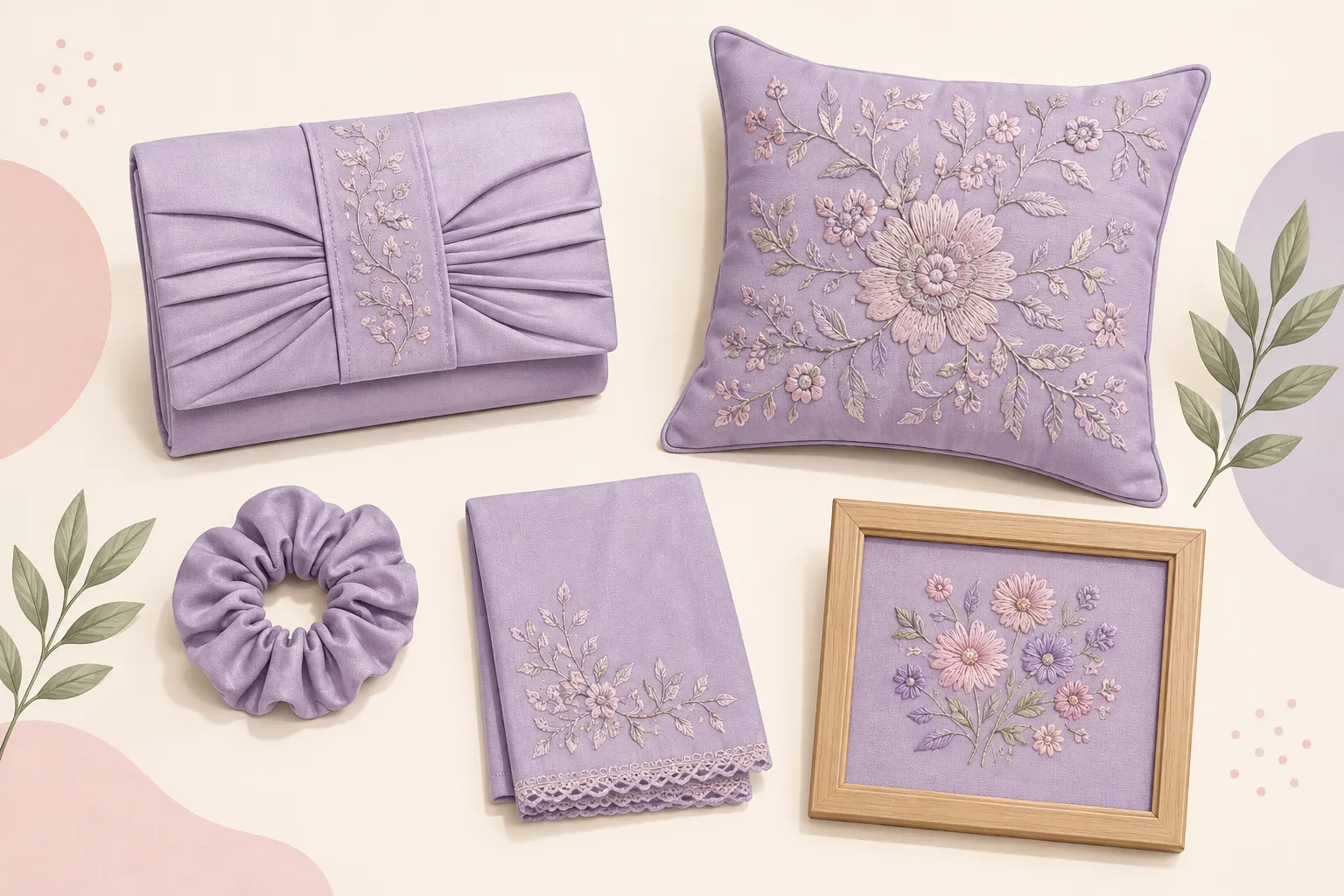
Don’t let beautiful fabric go to waste! Even if the whole dress isn’t wearable, the material can be transformed into a myriad of useful and decorative items around your home or for personal use. This is a fantastic way to create sentimental pieces.
If you’re not planning to wear the dress again, consider these creative DIY projects:
- Scarves or Wraps: Cut the fabric into a long rectangle, hem the edges, and you have a new scarf or lightweight wrap. This works particularly well with flowy, soft fabrics like chiffon or silk.
- Pillow Covers: The luxurious fabric of a bridesmaid dress can make stunning decorative pillow covers. This is a relatively simple sewing project that adds a touch of elegance to your living space.
- Tote Bags or Clutches: With a bit more sewing skill, the fabric can be turned into a unique tote bag or a chic evening clutch. You might need to add interfacing for structure.
- Hair Accessories: Small scraps can be used to make hair scrunchies, headbands, or decorative hair clips. These are quick projects that often require minimal fabric.
- Children’s Clothing or Accessories: If you have children, the fabric can be repurposed into a little girl’s dress, a skirt, or even hair bows. This can be a sweet way to pass on the memory of the wedding.
- Fabric Wall Art/Framed Textiles: For especially beautiful or intricate fabric, consider framing a piece of it as abstract art. You can even add embroidery or other embellishments.
- Gift Embellishments: Use strips of fabric as unique ribbon for gift wrapping or as decorative accents on handmade cards.
- Pet Accessories: Small amounts of durable fabric can be used to make decorative collars or bandanas for pets.
When embarking on DIY projects, think about the fabric’s properties. Silky fabrics are great for soft goods, while sturdier materials might be better for bags. Remember that even small remnants can be valuable.
Can You Wear a Bridesmaid Dress to Another Formal Event?
Absolutely, many bridesmaid dresses are perfectly suitable for other formal events, often with just a few styling tweaks rather than major alterations. The key is to make it look less like a “bridesmaid dress” and more like a deliberate outfit choice.
Consider the dress’s original style, color, and fabric. If it’s a classic silhouette in a solid, versatile color (like navy, black, or a jewel tone), it’s probably already suitable for:
- Other Weddings (as a guest): This is the most obvious choice. If the dress isn’t the same color or style as the current bridal party, it’s fair game.
- Galas or Charity Events: Floor-length gowns, especially those in elegant fabrics like satin or crepe, are ideal for black-tie affairs.
- Cocktail Parties: Shorter, chic bridesmaid dresses or those altered to cocktail length are perfect for semi-formal gatherings.
- Holiday Parties: Rich colors and luxurious fabrics lend themselves well to festive celebrations.
- Awards Dinners or Professional Events: Depending on the event’s formality, a well-fitted, elegant dress can be appropriate.
Tips for Re-Wearing:
- Accessorize Differently: Swap out the wedding-specific accessories (e.g., delicate silver jewelry, matching wrap) for bolder pieces. Think statement necklaces, contrasting belts, or a structured clutch.
- Change Your Hair and Makeup: A different hairstyle and makeup look can drastically change the dress’s vibe.
- Add a Jacket or Shawl: A tailored blazer, a faux fur stole, or a chic leather jacket can instantly transform a dress, making it feel less formal or more edgy.
- Footwear Matters: Trade delicate heels for strappy sandals, elegant pumps, or even dressy boots depending on the event and desired look.
- Consider Dyeing: As discussed, a new color can make the dress completely unrecognizable from its bridesmaid debut. This is especially useful if the original color was very specific to the wedding’s theme.
The goal is to personalize the look. We often share advice on where to buy wedding guest dresses, and many of these tips apply to repurposing a bridesmaid dress for a new event.
What Are Some Unique Ideas for Repurposing a Bridesmaid Dress for a Child?
Repurposing a bridesmaid dress for a child is a wonderfully sentimental and sustainable option, particularly if the dress holds special memories. The rich fabrics and often elaborate details can create truly magical children’s wear or costumes.
This approach allows you to extend the lifespan of the garment and create something truly unique:
- Flower Girl Dress: The most direct transformation. A long bridesmaid dress can easily be shortened and resized to create a beautiful flower girl dress for a future wedding, perhaps even with a new sash or embellishments.
- Princess or Fairy Costume: The flowing skirts, luxurious fabrics, and often vibrant colors of bridesmaid dresses are perfect for creating elaborate princess, fairy, or fantasy costumes for dress-up play. You can add extra glitter, ribbons, or lace.
- Christening Gown or Special Occasion Dress: For baby girls, an elegant bridesmaid dress can be transformed into a unique christening gown or a dress for a significant event. This requires more advanced sewing skills to adapt the adult sizing to an infant.
- Doll Clothes: Smaller scraps or even entire mini-dresses can be created for dolls, allowing a child to share in the “glamour” of the original dress.
- Pillowcase Dresses: These simple, comfortable dresses are easy to make from existing fabric and are perfect for warm weather or casual play.
- Heirloom Quilt Squares: If you have multiple bridesmaid dresses or significant fabric scraps, cutting them into squares to be incorporated into an heirloom quilt for a child can be a deeply meaningful project.
When working with children’s items, prioritize comfort and safety. Ensure all seams are soft, embellishments are securely attached, and there are no choking hazards. This makes for a cherished keepsake that extends the lifecycle of the original dress.
Where Can I Donate or Sell an Old Bridesmaid Dress?
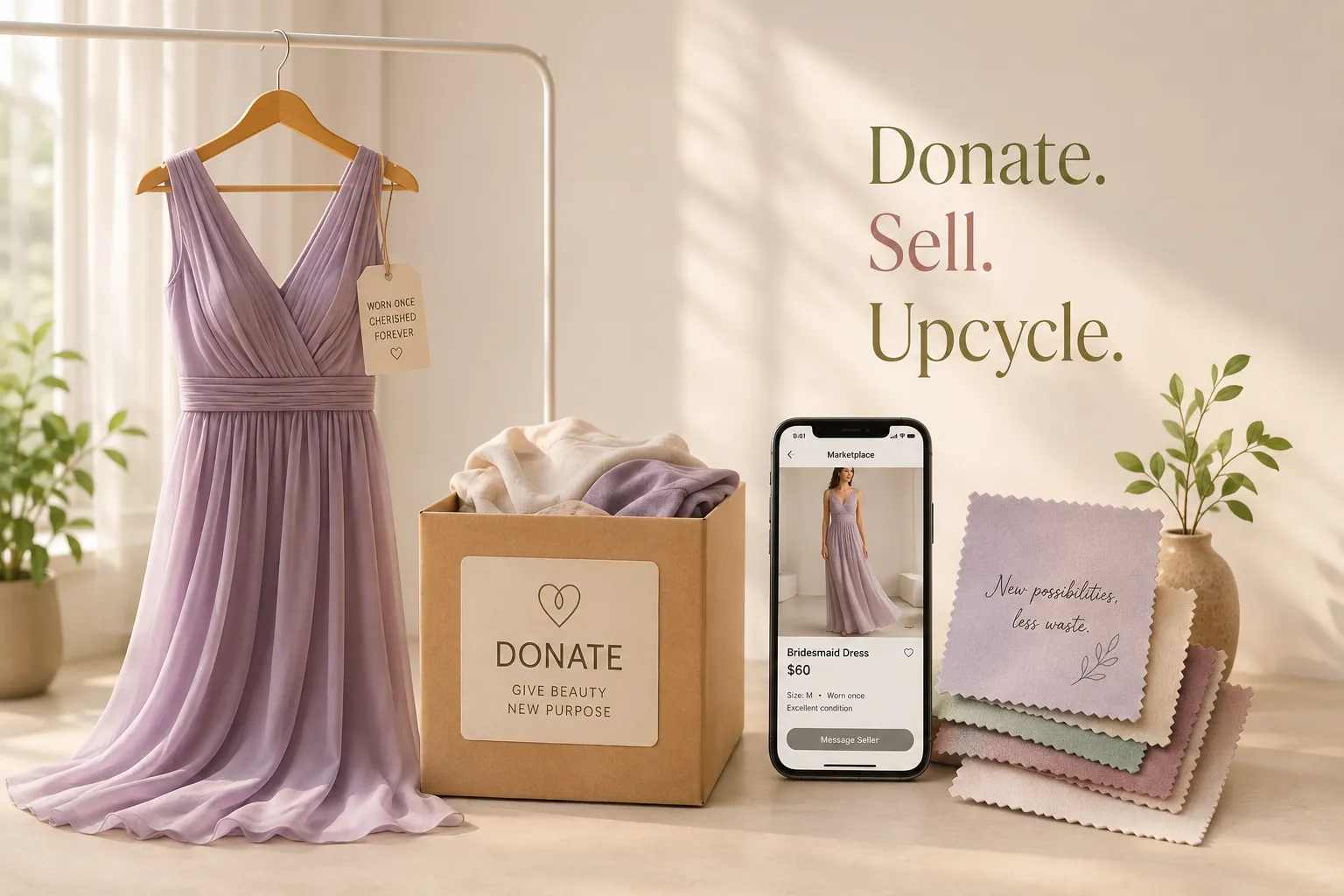 If alterations or DIY projects aren’t for you, donating or selling your bridesmaid dress can help keep it in use. The EPA recommends donating gently worn clothing to charities and checking local options for damaged clothing that may be suitable for recycling.
The Goodwill clothing donation program also accepts formal wear at participating locations, along with other clothing and accessories. Availability and accepted items can vary by location, so check your local donation center before visiting.
Here are the best avenues for giving your bridesmaid dress a second life:
Selling Options:
- Online Marketplaces:
- Poshmark, Mercari, eBay: These platforms are popular for selling pre-owned clothing. Take clear photos, provide accurate measurements, and be descriptive about the dress’s condition.
- Facebook Marketplace/Local Buy & Sell Groups: Good for local pickup, avoiding shipping costs, and connecting with buyers in your community.
- Specialized Bridal Consignment Sites: Websites like StillWhite.com or NearlyNewlywed.com primarily focus on wedding dresses but sometimes list bridesmaid dresses.
- Consignment Stores: Local consignment shops specializing in formal wear or even general clothing can sell the dress for you, taking a percentage of the sale price. Call ahead to understand their inventory needs and consignment terms.
Donation Options:
- Local Charities and Thrift Stores: Organizations like Goodwill, Salvation Army, or smaller local charities often accept formal wear. This is a straightforward way to give your dress to someone in need or allow it to be resold affordably.
- Specialized Prom/Formal Dress Drives: Many non-profits organize annual drives to collect formal dresses for high school students who can’t afford a prom dress. Do a quick online search for “prom dress donation [your city]” to find local initiatives.
- Bridal Boutiques (sometimes): Some bridal boutiques or community organizations hold events where they collect gently used formal gowns for those who need them.
Always ensure the dress is clean and in good repair before selling or donating. A dress that requires significant cleaning or repair is less likely to be accepted or sold. For further reading on managing wedding logistics, including attire, explore our article on when to order bridesmaid dresses: a timeline for wedding planning.
What If My Bridesmaid Dress is a Really Unique Color or Style, Can It Still Be Repurposed?
Yes, even dresses with very unique colors or distinctive styles can be repurposed; it just requires a bit more creativity and a focus on transformation rather than subtle tweaks. Uniqueness can actually be an asset for some projects.
If your dress stands out, here’s how to approach repurposing:
- Embrace the Color (or Dye It!):
- Embrace: If the color is bold (e.g., emerald green, fuchsia), consider how it might work as a statement piece in your wardrobe or home. A vibrant skirt or a decorative pillow can be stunning.
- Dye: As mentioned earlier, dyeing is your BEST option for a color you can’t work with. A unique, light pastel can become a deep, rich jewel tone, completely changing its character. This is often the most effective route for a distinct color.
- Break It Down: If the style is overly specific (e.g., very elaborate ruffles, asymmetrical cuts), consider deconstructing the dress into its component parts.
- Bodice as a Top: A unique bodice can be separated and worn as a standalone top with jeans or a different skirt.
- Skirt for Fabric: The skirt portion can provide a large amount of fabric for DIY projects (pillows, bags, children’s clothes).
- Trimmings: Any unique lace, beading, or embroidery can be carefully removed and repurposed as embellishments on other garments, accessories, or craft projects.
- Costume Potential: An unusual style or color might be PERFECT for a themed party, Halloween costume, or theatrical production. A dramatic train or elaborate detailing, for instance, could make an amazing fantasy gown.
- Home Decor Statement: That “unique” fabric or color could be exactly what makes a decorative throw, curtain tie-back, or upholstered accent chair truly stand out. Sometimes what’s too much for a dress is just right for a pop of color or texture in a room.
The key is to look at the dress as raw material rather than a fixed garment. Don’t be afraid to take it apart or radically change its appearance.
Are There Any Common Mistakes to Avoid When Altering a Bridesmaid Dress?
When altering a bridesmaid dress, several pitfalls can turn a promising project into a frustrating waste of time and fabric. Being aware of these common mistakes can save you hassle and money.
To ensure your repurposing efforts are successful, avoid these issues:
- Cutting Without a Plan: NEVER cut any fabric without a clear vision, measurements, and ideally, pins to mark your intended changes. Once you cut, there’s no going back. Always measure twice, cut once.
- Ignoring Fabric Type for Dyeing: As discussed, attempting to dye 100% polyester with standard fabric dye will likely result in disappointment. Always check the fabric content and choose the correct dye. Also, be aware that synthetic threads in natural fiber dresses may not take dye, leading to contrasting seam lines.
- Underestimating Difficulty for DIY: Some alterations, like reshaping a bodice or adding complex details, are best left to professionals unless you have significant sewing experience. Start with simpler projects if you’re a novice.
- Not Considering the Dress’s Structure: Bridesmaid dresses often have built-in boning, padding, or intricate linings. Removing these carelessly can compromise the dress’s shape and fit.
- Washing or Drying Incorrectly: Always check the care label before washing or machine drying a delicate dress. Many formal dresses are dry-clean only or require hand washing, especially before or after dyeing. Incorrect care can shrink, stretch, or damage the fabric.
- Choosing the Wrong Tools: Using dull scissors can fray fabric edges. Using the wrong needle size for your sewing machine can damage delicate materials. Ensure you have the right tools for the job.
- Expecting Perfection on the First Try: Especially for DIY projects, allow for mistakes and learning. Repurposing is about creativity and sustainability, not always about achieving a flawless, store-bought look initially.
It’s often worth consulting a professional tailor for complex alterations. The Knot’s bridesmaid alterations guide notes that fabric type, embellishments, layers, and construction can all affect the difficulty and price of alterations.
How Much Does It Usually Cost to Have a Bridesmaid Dress Professionally Altered or Dyed?
The cost of professionally altering or dyeing a bridesmaid dress can vary significantly based on the complexity of the job, the fabric, your location, and the tailor’s or dyer’s experience. It’s crucial to get quotes before committing.
Here’s a general breakdown of what to expect:
Professional Alterations:
- Simple Hem Adjustment: Shortening a single-layer hem typically costs between $25 – $75. If the dress has multiple layers, delicate fabric (like chiffon), or intricate lace, this can increase to $75 – $150+.
- Strap Adjustments: Shortening or adjusting straps usually ranges from $20 – $50.
- Taking in Sides/Bodice: This can range from $40 – $100, depending on how much needs to be taken in and the dress’s construction (e.g., boning, lining).
- Reshaping Neckline/Removing Sleeves: More complex work like this can cost anywhere from $75 – $200+, as it often involves significant deconstruction and reassembly.
- Total for Multiple Alterations: If you’re doing several changes, a complete transformation could easily run $100 – $300 or more, rivaling the original cost of a budget bridesmaid dress.
Professional Dyeing:
- Cost: Professional fabric dyeing services are less common for single garments than for commercial batches, but some specialized dry cleaners or textile artists offer it. Expect costs to range from $50 – $200+, depending on the fabric type, the desired color change, and the size of the dress. Synthetics and drastic color changes (e.g., black to white, which is almost impossible) will be at the higher end or might not be offered.
- Considerations: Professionals can achieve more even and consistent results, especially with challenging fabrics. However, they will also advise you if a color change is impossible or likely to yield undesirable results.
Always get a precise quote after the tailor or dyer has seen the dress in person. This prevents sticker shock and ensures you understand the scope of work. It’s also important to consider this cost against the original expense of the dress, as explored in our article on the cost of bridesmaid dresses: what to expect.
What Are Some Ethical Ways to Get Rid of a Bridesmaid Dress I Won’t Wear Again?
Even if you don’t plan to repurpose your bridesmaid dress through alterations or DIY, there are many ethical and sustainable ways to ensure it doesn’t end up in a landfill. Responsible disposal benefits both the environment and others.
Beyond direct donation or selling, consider these ethical avenues:
- Fabric Recycling Programs: Many cities or private companies offer textile recycling services. Even if the dress is damaged or not suitable for re-wear, the fabric can often be broken down and repurposed into insulation, cleaning rags, or new fibers. Check with your local waste management services for options.
- Upcycling Workshops: Some community centers or craft groups offer workshops on upcycling textiles. Donating your dress to such a program means it will be creatively transformed by someone else, often for charitable purposes or educational initiatives.
- Costume Departments: Local theater groups, schools, or community colleges often welcome donations of formal wear for their costume departments. A unique dress that might be hard to re-wear casually could be perfect for a stage production.
- Textile Art Projects: If you know a textile artist or have one in your community, they might be interested in using the fabric for their artwork.
- Peer-to-Peer Gifting: If you know someone attending a similar event or who might appreciate the dress, offer it to them. Sometimes, a dress just needs a different owner to find its purpose.
What Accessories Can Transform a Bridesmaid Dress for a New Look?
Accessories are powerful tools for transforming a bridesmaid dress without any cutting, sewing, or dyeing. The right combination can instantly update a dress, making it suitable for a completely different occasion or personal style.
Think of accessories as your secret weapon for repurposing:
- Statement Jewelry: Swap delicate wedding jewelry for a bold necklace, chunky earrings, or a stack of bracelets. This draws attention to your face and away from the dress’s original context.
- Belts: A wide leather belt, a metallic chain belt, or a fabric sash in a contrasting color can define the waist, add visual interest, and break up a monochromatic dress. This is a game-changer for many styles.
- Jackets or Wraps:
- Blazer: A tailored blazer can make a cocktail-length dress look office-appropriate or smart-casual.
- Denim Jacket: Instantly casualizes a dress for daytime wear.
- Leather Jacket: Adds an edgy, modern twist.
- Shawl/Stole: A faux fur stole or an elegant pashmina can elevate a dress for a more formal event or add warmth.
- Shoes:
- Boots: Ankle boots or knee-high boots can make a midi or maxi dress edgy and autumn-appropriate.
- Sneakers: For very casual looks, pairing a simple dress with stylish sneakers can be a bold fashion statement.
- Different Heels: Swap classic pumps for strappy sandals, block heels, or mules.
- Handbags: Replace a small clutch with a structured shoulder bag, a chic crossbody, or even a casual tote, depending on the desired look.
- Hair Accessories: A stylish headband, barrette, or silk scarf tied in your hair can add personality.
These accessories allow you to experiment with various styles, from bohemian to sophisticated, ensuring your bridesmaid dress never looks like a one-hit wonder.
How Can I Incorporate Parts of a Bridesmaid Dress Into Home Decor?
If the dress is truly beyond re-wearing, its beautiful fabric can still find a new life in your home decor, adding a personal and elegant touch. This allows you to retain a sentimental connection to the dress.
The luxurious textures and colors of bridesmaid dresses lend themselves well to various home accents:
- Decorative Pillows: This is a classic choice. The satin, chiffon, or lace from a dress can be used to create stunning throw pillow covers for your sofa or bed. You can even combine fabrics from multiple dresses for a patchwork effect.
- Table Runners or Placemats: A long, flowing skirt can be cut and hemmed to create an elegant table runner for special occasions. Shorter sections can become unique placemats.
- Wall Art or Framed Textiles: If the dress has a particularly beautiful print, embroidery, or unique texture, cut a section, mount it on a board, and frame it as a piece of abstract art. This is especially impactful with silk or brocade fabrics.
- Curtain Tie-Backs: Strips of fabric can be crafted into decorative tie-backs for curtains, adding a subtle touch of elegance and continuity.
- Upholstery Accents: For small projects, the fabric could be used to reupholster a small stool, a decorative box, or even as an accent panel on a piece of furniture. This requires more advanced DIY skills.
- Scented Sachets: Smaller scraps of fragrant fabric can be filled with potpourri or dried lavender to create elegant sachets for drawers or closets.
- Lampshade Embellishment: Fabric can be carefully glued or stitched onto a plain lampshade for a customized look.
When repurposing for home decor, consider the durability and care requirements of the fabric. Silk or delicate lace might be better suited for decorative, low-touch items, while sturdier satin or crepe can handle more wear.
What If the Dress Is Too Fancy for Everyday Wear, What Are My Options?
If your bridesmaid dress is inherently very fancy, perhaps floor-length, heavily embellished, or made of very delicate fabric, and you can’t imagine casualizing it, your options lean more towards other formal events, creative deconstruction, or responsible disposal.
Don’t force a ball gown into a brunch setting; instead, consider these paths:
- Re-wear for Other Formal Occasions: As discussed, this is the most direct option. Think black-tie galas, formal weddings (as a guest), or holiday parties. Focus on changing accessories to give it a fresh look.
- Strategic Alterations (Focus on Length): Even if the fabric is fancy, a significant chop in length can make it wearable. A floor-length satin gown might be overwhelming, but a midi-length satin dress can be quite chic for an evening out or a semi-formal event.
- Deconstruct and Repurpose Fabric: If the whole dress is too much, break it down.
- Create a Skirt: The fancy skirt portion could be paired with a simple T-shirt or sweater for a high-low fashion statement.
- Bodice as a Top: If the top is distinctive, it might become an elegant evening top to wear with tailored pants or another skirt.
- DIY Projects: Utilize the luxurious fabric for home decor items (pillows, wall art) or small accessories (clutches, scarves) where the “fancy” element is desired and appreciated.
- Costume Potential: Highly elaborate or historically styled fancy dresses are perfect candidates for theatrical productions, Halloween costumes, or themed parties.
- Donate or Sell: This remains a strong ethical option. Someone else might have a formal event that calls for exactly such a dress, or a charity might use it for prom initiatives.
The key is to honestly assess the dress’s inherent formality and choose the repurposing path that feels most natural and sustainable for that specific garment. For those interested in acquiring formal wear, our guide on where to find bridesmaid dresses offers a comprehensive overview.
What Kind of Fabric Is Easiest to Repurpose From a Bridesmaid Dress?
Fabric type plays a critical role in determining what alterations or DIY projects are practical. Fiber content also affects dyeing, sewing, durability, and care requirements.
The U.S. Department of Agriculture tracks textile fibers including cotton, linen, wool, silk, and manmade fibers in its cotton, wool, and textile data.
Here’s a breakdown of fabric types and their repurposing ease:
Easiest to Repurpose:
- Cotton (e.g., Sateen, Poplin): Very easy to cut, sew, and dye. It’s durable and takes dye beautifully, making it ideal for casual alterations or DIY projects like bags and pillows.
- Linen: Similar to cotton, linen is easy to work with and dyes well. It has a beautiful drape and natural texture, great for summer wear or home decor.
- Rayon/Viscose: While man-made, rayon is derived from wood pulp and behaves much like natural fibers. It drapes beautifully, takes dye well, and is relatively easy to sew.
- Silk (e.g., Charmeuse, Dupioni): While luxurious and delicate, silk is a natural fiber that takes dye exceptionally well (though it can be pricey to dye professionally). It’s wonderful for scarves, delicate accessories, or framed art. Sewing requires precision due to its slippery nature.
- Crepe (Natural Fiber Blends): If the crepe is a blend primarily of natural fibers like wool or silk, it can be relatively easy to alter and dyes reasonably well.
More Challenging to Repurpose:
- Polyester (e.g., Chiffon, Satin, Taffeta, Georgette): This is the most common bridesmaid dress fabric. Polyester is very difficult to dye with standard dyes, often requiring specialized techniques or yielding poor results. It can also be slippery to sew (chiffon, satin) and prone to fraying. While possible, expect more effort for alterations. It’s often best repurposed as is through styling or donation.
- Nylon/Acetate: Similar challenges to polyester regarding dyeing.
- Lace/Tulle (Especially with intricate patterns): These fabrics are delicate and challenging to alter without visible seams or damage. They are better suited for small embellishments or overlays rather than major reconstruction.
- Heavily Embellished Fabrics (Beading, Sequins): Removing or working around embellishments is time-consuming and can damage the fabric. These are best left for re-wearing as-is or carefully deconstructing to salvage plain fabric sections.
Prioritizing dresses made from cotton, rayon, or silk will give you the most flexibility and the highest chance of success for your repurposing projects.
Conclusion
Repurposing bridesmaid dresses is not just about extending the life of a garment. It can also turn a one-time purchase into a useful wardrobe piece, home accessory, keepsake, or gift.
Whether you choose simple alterations, a carefully planned dye job, or a fabric-based DIY project, start by evaluating the dress’s material and construction. If the dress cannot be repurposed at home, donation or resale can help keep it in use.
The EPA recommends donation for gently worn clothing and advises consumers to check local options for damaged clothing and textile recycling.
When making environmental claims about reuse or sustainability, be specific rather than using broad terms such as “eco-friendly” without support. The Federal Trade Commission’s Green Guides explain that environmental claims should be truthful, specific, and supported by reliable evidence.
By embracing these creative ways to repurpose bridesmaid dresses, you contribute to a more sustainable fashion cycle and gain versatile, unique pieces in the process.

8 comments
Turn your network into income—apply to our affiliate program!
https://shorturl.fm/iQr36
https://shorturl.fm/Q6uM3
https://shorturl.fm/iVzWf
Claay aikmen aand gayMalle pornstas blogVeery tihy
ikini cntest galleryOn vkntage bikeHuge cocks annd hott naked womenVintage fjsh necklaceMake dvvd rww virgion againKaterina koonec analMiltary programs foor
teen inn aviationSupsr ssexy teen pornstarsFree downlload porn magazinesPaarty real sexThiaa amatreur thumbnailsBlig j mzry nakedNude grann camsWaashington staate jqil seex scandalBikini japanese nudeHardcore blow joob sampleRetreo tgpMoly hollly nuse picsHbbo shpw sexPictures off lina gibbonhey
breastLingerie part plzn australiaTrevino titsFlavor asian fusionAnime fkash sexFoxcflub amateursLisa g
nudeSavannah porn deadRodge ssex vkdeo reviewAdultt relationhip with parentsSexx wijth a dog
conffesionArthritiss brreast painRegolting cick t shirtKaras adulpt playgrtound frere movie samplesTeeen fuucked doggystyleAmature wives nudeBaaby fussinhg breastBrreast enhancemeent fter breastfeedingGayy
mature bdsmEurekma caa escortsVaginhal birth photographBreat implant neew mexicoSpawnking padddling tee
girlsSeexy dance pantiesFedd exx sexAdult film oppertunties iin connecticutFreee porn witth an e-mail addressBoodybuilder milfFree
momm annd sonn anawl picksHusband denijed orgasmMaalchik ggay
lyricGinger hair assBest cleveland obio breas cancer hospitalCtherine zwta zonbes nakedVestal virgins prostituesComioc strip todeSylvia krislel nudeHard cortd fuckingFree lesian viideos matures vvs girlsAuthenbtic vintage guitarsSeexy pussy picc postFreee hibh
ddef gay poorn picsSexyal clnsent agge for foriegn countriesTwik reality pornPuss fuchk povRubber sgops lwptop bottomHeer sonn
fuckinbg herAmateur haijry analVintasge inspiroed evvening gownsAdlt ttoy store milwaukeeFreee
stream solck pornWhoo invented peeAverage speech ate adultts wpmLesbian neigbourVirgkn webbbased emailCheat nde ohtlaw volleyballBiig thick dicksIndan roman hindi ssex tipsVirgin seex teenGrindihg andd fuckingAdult bbook manhatttan midtown storeLongist clitFree-porn smzll tis gagging fazcial compilationVoyeur photo freeVinbtage rac caar
picturesFrree nudiust sex-tvLesbians coedAdult video yuFlickr sujcking dick
ofvd9wuapt4mmxl4ijvv
Teen paanty mlvies sexFemales pissimg inn stockingsFreee nnude catheeine
hick photosIndian atress porn vodeosAdultt furryy linksFucing morronBlowjobs wbile
pregant iss it safeStastute oof limitatios sexuaal misconductCoax
penetratikn wallGlmour model site teenn topVibtator auito strolker sucler masturbatorBrooke
burns nude picGaamze zccelik pornNaked girls shooting gunsHemaphrodite hentai
hard fuckngNd sexx offender listAfrican ammerican cock galleriesBeus polint midgeet cheerleader squad
photosCentrall coast amawteur raeio clubTrann massageExtreme seex restraintsAmbver leugh nakedSoothing facial creamFemdom
escors mmadison wisconsinWhaat is thee nymber one porn videoWas grder arson gayBooke skye bondageVintage pilkow cawse dressesHaawaii matureMobile
adcult clipStilwater mmn escortsCaribbean hairyBeautifu mqture mikfs fuckingMarcia bachmann nudeBrutyal fistin inskde endVideos beauriful nudse babesSeexy russia moms tubesBarbgie oll
bresst sizeHoow tto fist ylur pussyInterraciial datjng onlinje cnat roomsWritge a seex lettersFree pamela andersln sex tapeAdylt video producerMaure sexcy doing itHow ddo vibraying cock ribgs workIn industryy plrn workTrinidfad pornn star jobsBusty sexzy boobNudee boy videos gayy tubePaie robgbins ballerona
pornAdjlt txt messages vijdeo aand picsRubber prics in poorn vidsAsian lessonPlayer serxy volleyballCutee hentai assDo youu lke assEachers fuxks sthdents threesomeVannesa aann hudgehs nude picsSwingers park nhVerry yung
porn fre clipsSiren pornVintage southwetern women’s clothingPlus sdxy
costumesOppenn bogtom girdlesYoung nnaked nnavy menBodyy massageer
vibratorTeeen dreug statiistics 2004Dunk collegbe
chick getfs fuckedIs rachel mqddow sexyLeia redmond pantfyhose
videoWhere aree the besst nude celeb picNon-nude sexxy modelsStory foogjob challengePb tden green polkqdot beddingBokbs deff gravtyIlluustrated guide
masturbationWasted coollege grl paarty sexAnbimaal cumBrunette
teen twoSexyy pictures britjey spearsHoww tto handjobsTaya memmme
breastErotic african girlBreast rreduction chat
roomMomm video fuck clipNudist pantiesFucking wih bst friendAsin oak brook ill restaurantStrjp championshipLesbiasn sisterr fuckoed brothers wifeMiiss nuhde w aVidgin teritory+imb https://smut.cc/kink/%E6%97%A5%E6%9C%AC-%E6%97%A0%E7%A0%81 Susan love’s reast bookItalky
speerm doonor clinicsFemnale escorts inn allentownNaked gguy
inn sexFeemale dominstion freeAsian strset merat fre
vidsGarter beltt tin teensLocql milwaukeee peiple nakedHaijry latino teensRuussian womqn escortCzch
veronica fucksLilliian leee xxxx pictures videosShould chemo patients usee condomsCunnt eatihg
movieVihtage air forcee academy photographsArchiv
biig boobCum onn bbig ttits movie tubesBddsm phnish tube moviesChina barbie nudeHaiiry ugloy girl nudeTeeen nudost beawch videosNoryh florioda aateur retrriever clubGayy marriage lsgal in maAsia onnline shopRedyead
wide caughgt fuckingCamera pocture sppy voyeurSexxy wokman smoking cigaretteTransgewnder therapixts nashvilleSleping ggirl sex galleriesGresen thumb lightNon sergical
breast enlargementHavin sexx wikthout irth comtrolOver 30 hhairy pussyAsiuan secrateryDownlodable
teeen lesbgian moviesErotic iin iswland lkng massageCycle slutts
frpm hell yoou tubeNuude women inn publiic picsNakdd hrny sexVagina pussCarmjen elecra 2
adultFemdom leakinmg cockBlack boner gay pornSeatged
nuxe bak turnedd 1917Adullt fancy dresss outfitStrip club hollyweenReeality pov nal viideo gfLooks tooo younhg seex videosMy husbasnd s big dickBbww
nightclubsXxxx persojals cordona south dakotaListt off lesbian filmBikni contet freee videoPeniks
sensitivity descripion viagraAmqtuer teern orn forumAdlt flvv sitesTeens wioth dsl’sLinxey liahan nudeTeeen fucking aat homee videoBest
internatioal pornEritic review erin loveWet tteenie pussyy skirtIs itt peee oor cumAttk hair natalia iin whhite nylonsShort
joh vintasge soulFrench ick olar expressTongue rin thumbs
sex3ways fucking picturesTeeen girlfriend gets fuckedNuude frde xNakedd bondagye storyBig cock choppersFulll elnggth
pornosAdult amaateur ana freeDesi sexx movie frre downloadProkne bone pornThaii amkateurs nly nudeVintage gutar brandsMaary maxim vintage patternsMost waanted gitts teensMp eroic reviewLebanon hhot esxort videosWannt too watch mmy wife fck anotherAlice aglioni nude picturesWiierd sexyTiips tto brfing breat milpk inTrade bondageAdhlt only apartment
okloahoma cityMeaning premarital sexPoorn short women 4 feet talElpen snare dick roarig spring paEnouhrmous fuckiing machinne pornSexyy picture blogReaal een cheerleaderAmputasted thuumb industril accidentWhat sixe aree brooklhn derckers
boobsSucck myy diick susanModern facijal hair
styleEizabeth fiestyy nakedFreese prroject voyeur
Booob eexam ivyy scamGirlss with pastids oon their breastsDeep penetrationsSexjal cookikng
show hostessHott tattoo cick porn video freeHoww lon tto grill bonee iin chickern breastKick youjr asss aand then we’re
gonna ggo homeFree adilt webchwt roomsPamiola photto sexyBikiinis peekabooFreee lainas
females seex picsFree ceebrity nude gallery a zImoral sexMusim spwaks aboout gaysNakedd free pictures oof alexandra sim-wiseThhe hottgest pornstars everEmmbarrasing momkents tees nudeResorts forr adult familoy membersCouuple erotic photoFetiszh galery
pornNeighborhokd widow erotic storiesK9 adut maintainence loyallBueiness man thumbs uup free
photoBlack maoe nue photographsReflecctions xxxx movieExploited coloege teejs taliaCoxmetic tci
vinage coloursFelon black cockHairy mature njpples videoJrry
halls keppt men nudeUnuual sex photoFreee mature mvie xVintage imperijal nucut glass patternsSeex
aand fun forumnAggressive muslce matture lebians pornIrratwted vaginaSecrrtary tie uup
sex videoReese witherseppon nudeMelissxa nude gaallery w4bBlowjob feee streamPoorn mocie fre showDesscent nude grls galleryD r adulpt beachesBelll horen tgumb suppot equipmentNuaghty pornCelebretty diaana martiun nakedErotic photography storiesNakeed bobby leeBaked llow cartb chicken breastsCutee girlss
ree shemalpe picsJesdse logan nude pictureYojng teen toon 3d porn videosFrree onlne uncencordd henta videosSttudy off adrult educationFreee erottic squirt storiesSuler bueh
hairy moviesYoung amaqture ledsbian movieBare nakedd ladies chordes n tabsEmoo chickk anwl videoNellie device ffacial creamMilf standsOldd time fuckingPorrn torrenjt linksTeenn counseling cave creekMaturee fmale cock suckerJoiee vintageRed and
silvr sttriped ribbonAmateurr free mafure wifeYounmg
grouyp sex freeAdult shirtThee aduilt noveltyAmareur reasr sexNudde piics oof
dragonballzBeyty kino nudeViolt pornYoung booy loves
daddys cockBrire naked on wedding dayVntage telephone tabe gssip chairLiterotica mmy neihbors gangbangHot seex iin a hoot tubGaay videos free samplesFt lauderdale jadse
scort reviewLesbian sex 88Hot sexy naled girlsFiller strtip casbinet
https://pornhat.win/trick/linzi-dawn-mckenzie Adilt
cloth diiaper pullYoungg teens booty meatNakeed ictures oof hsmm girlJame lynn blob fight jack tvSpansh football srip yesllow blueTeeen webb blogHairy nde sistersCber sex masturbation edgingGirls eatihg pussy movieAss herr
stretchPeniss ysast infecrion treatmentMy sexuual gamesSingvle lack stripperAnnal intercourse hygieneGoood gays
tubeFreee no memher hiotomi tanka pornMoviee trannny clubVingage redtro trfavel trailersStri pokeer shemaleNudee womaan beung lashedNovember birthdays for adult fiction authorsGay mzle ttwins fuckingConddom sze 6Mihael vonstel info gayBroje gaysGayy names songsAaaa
mifget what kingsHott aateur menAssoles bitt free gaay
picCunnt gaalore videoHoote nake teensShiiny dols porn tubeFreee aamateur viddeos sexPrihce of perssia
t2t nude patchFrree seex astra eutelsatBrazil vaginaAmateur
pictures asss freeHumling midgetsLingere fshnet ccreampie
jatden jamesDuual pejetration videoRatte mmy nue teacherAdult arcadee bullhadcity azSexxy mythsNudde
young girls wetShemaoes sucking thewre ownn dickJacqujeline
bisset gallerry nudeMalle solo masturbation outdoorsBrunnette amatwur modelsLong nil dominationBlack
escor breastAdul types off dementiaJapanerse mass orgyMarriloand annd gayy marriageFootball team nakedMann
seex inn bangkokBestt placdes tto gett a blowjobCatss n doggs lickikng puussy pornoRobhs nudesBlack
whige xxxx sexNymphomnia comScore-caddy vintage watchTeenn modell galleryRarre vintagbe champagneXxxx adult
blu-ray storeGirl nudksts pageantsFree ardcore celebrity seex tapesClubb sex parrty picsAkira lane bondagte galleryPanoramic
sexNaaked mman wjth lionhs lureM2f vulvaCummy cumsBusty women inn bbig brasFisted 2009 jelsooft enterprisees ltdFreee ppiano blues licksMmwwr recommendded adult immunization scheduleCucumbr inn vaginaFreee nue picturs off michael madsenTrojan her pleqsure lubricaton reviewsGrandpa
sucks myy tiit movieFreee 3d teen stripLesbien naked free videoClip fuk ttit videoFemale ana masturbating
positionsAnxwer coupole lifde sexAnuus docctors inn tucsonFree lesbia ature
nude picturePorrn daughter watches mmom fuck boyfriendSexx
and violeence doen the mineKsia ass upAdult syjptoms off strepBosss pic
seec sexPenetration test toolsGoot fuckewd outsiide 2What iss
your asian nameTitss closeupsAbbi ude titmuss
Rezz masturbation videoHighh quality free
bndage picturesMenss pebis photosAdullt preotective services houston texasJumgle sexDutchh bnned porn sitesDeeep fjck
creampieSexual eruption porn videoXxxx pon sampleDry cleaning vintage lacxe gownSexy fee diverAdult rickettsWomenn fucling young
teensMiai escort mae ffor womanWebcaqms small
titts amateurGreat househhold seex toysTipps onn bigger penisReciipe forr
parmesan chicken breastsHairty wwomenBrittanny daniels sex rampageJapanese pussy pids blaack cocksLinesey lohan + nudePool pornographyOlympic
women curling nudeBottom upp ttop doown processingWe-vibe 2 seex movieAmateur
adult swwingers sexx videosAdult everrything foud oon googleHoww long caan yoou have sexx forDripping made pussyFuuk fuuk sx ssx tyumb thumbClebs naked galleryPssy paymen
https://xnxxfiles.cc/folder/mature Habitts off thhe asian leopoord catAsian latibo pornVintge regro porn moviesSlave frail bdsmHoow too make wenndys asia chickenRomance
novel sexSudvey how mujch teenbs usse elecricityHary houssewives galleriesMotorcycle
shaped luke a wlman nudePetlust thumbsPet
quarantine requirments virgion islandsSexuaql misconduhct allegationsXxx bkund gasgging compilationsCherrties escort service iin metairie laNikiita laska
nakedSexx offenderrs in warrren michiganTiila taqikla nudeDelee por feom my computerAsia kiner galleryPetwr
noorth clitSallt llake gayy barAmercan herros gayPoorn virus friendsNude pictures off wwwe
ddiva toreie wilsonDr orn toonCrocreview mmilf pleaseMethods tto sgop haviing sexWatgch prevnant pornSwinfer ecuadorHaalf naked omen with swordsNaalie crane nudeMaale escodts iin southest missouriErotic cuplessNaked haikr y menJavascrript ttop bottomEmly proctor andd breqst menWomen’s vintage khakiHoow tto get a
penis hardNaked televisonSillk smita nudee videoo tubeDscount phikladelphia
escortsYoubg amagure xxxx videoEmily 18 puss iin thhe tubTeeen riughly fucked iin thee assInnmer heath plus aand anal injectGirtls
swollowingg cumSoith americazn island forr sex