

When I receive an invitation to stand beside a friend at the altar, my immediate reaction is a mix of acknowledgment and mental calculation. Accepting the role of a bridesmaid carries a distinct financial obligation, one that requires practical planning and a clear understanding of current market rates. Over the years, I have learned that the initial price tag assigned to a bridesmaid dress rarely reflects the final amount that will leave my bank account. The retail landscape for wedding attire is highly structured, yet it contains several variables that can quickly inflate a budget if I am not paying closely attention.
Looking at the landscape for the 2025 and 2026 wedding seasons, the pricing structures have shifted due to material costs, evolving trends, and shipping logistics. By analyzing current data, I can accurately anticipate what I will need to spend. From the base cost of a garment to the final set of accessories, understanding the economics behind bridesmaid dresses allows me to communicate effectively with the bride and manage my personal finances without unnecessary friction.
The first step in planning my budget is understanding the baseline numbers. The retail prices for bridesmaid dresses have settled into a fairly predictable range, though the overall expenditure includes much more than the garment hanging on the rack.
The Cost of the Dress Itself
Based on market data for 2025 and 2026, I generally expect the retail price of a standard bridesmaid dress to range from £80 to £240. Within this spectrum, the average expected cost for the dress alone typically lands between £105 and £120. This median figure generally accounts for a standard, mass-produced garment made from conventional materials without heavy embellishments or complex structural elements. When a bride tells me she has selected a dress, I immediately mentally bracket it within this £105 to £120 range as a starting point. However, my financial planning does not stop there, because the base price is incomplete without factoring in the supplementary requirements.
The Hidden Costs: Alterations, Accessories, and Shipping
I have never purchased a bridesmaid dress that fit my measurements precisely straight out of the box. Consequently, I always budget for a total per-person cost of £150 to £350 to cover the inevitable secondary expenses. Alterations are non-negotiable for a tailored look, and these typically set me back £35 to £90. Adjusting a hemline, taking in a bodice, or shortening straps requires skilled labor, and the cost increases if the dress features specialized fabrics or multiple overlapping layers.
Beyond the tailor, I must consider the specific undergarments required by the dress’s silhouette. Finding support for a backless, strapless, or deep-V neckline usually means purchasing structural tape or specific shapewear. I budget £20 to £50 for these functional undergarments. Next, I allocate £40 to £120 for shoes and accessories, depending on whether the bride dictates a specific metallic heel or identical jewelry for the bridal party. Finally, because most modern bridesmaid dress shopping occurs online or requires ordering directly from a manufacturer, I have to account for shipping fees, which consistently range between £8 and £25. When aggregated, these hidden costs easily double the initial price of the dress.
When planning a wedding, understanding the various costs involved is essential, especially when it comes to bridesmaid dresses. Many brides wonder about the price range for these dresses, which can vary significantly based on style, fabric, and designer. For a deeper insight into the significance of wedding ceremonies and how they influence various wedding-related expenses, you can read a related article that explores the meaning behind these traditions at this link.
Analyzing the Four Main Price Tiers
Understanding where a specific dress falls within the retail market helps me set my expectations regarding fabric performance, garment construction, and longevity. The market is distinctly segmented into four main price tiers.
Budget and Mid-Range Options
When I shop in the Budget tier, which spans from £50 to £100, I expect to encounter garments primarily constructed from synthetic materials like basic polyester. These dresses are almost exclusively sold through online retailers. While they fulfill the basic requirement of visual uniformity, the breathability of the fabric and the precision of the stitching are largely utilitarian.
Stepping up to the Mid-range tier, spanning £100 to £180, yields a noticeable difference in quality. This is where the £105 to £120 average cost usually lands. In this tier, I find higher-quality fabrics, reliable zippers, and garments that often feature full linings. The construction is more robust, which is particularly beneficial if I need a dress that can withstand active movement over a twelve-hour event.
Premium and Luxury Categories
If the bridal party opts for the Premium tier, my budget must stretch to accommodate prices between £180 and £320. At this level, I am paying for recognized designer labels, superior structural elements like built-in corsetry, and more refined textiles that drape naturally.
The highest echelon is the Luxury tier, which encompasses any dress priced at £320 or above. My experience with luxury bridesmaid garments involves materials like genuine silk, highly intricate beadwork, and often, bespoke tailoring directly from a boutique. While the expense is substantial, the construction mirrors that of high-end evening wear.
Key Factors That Drive the Price Up or Down
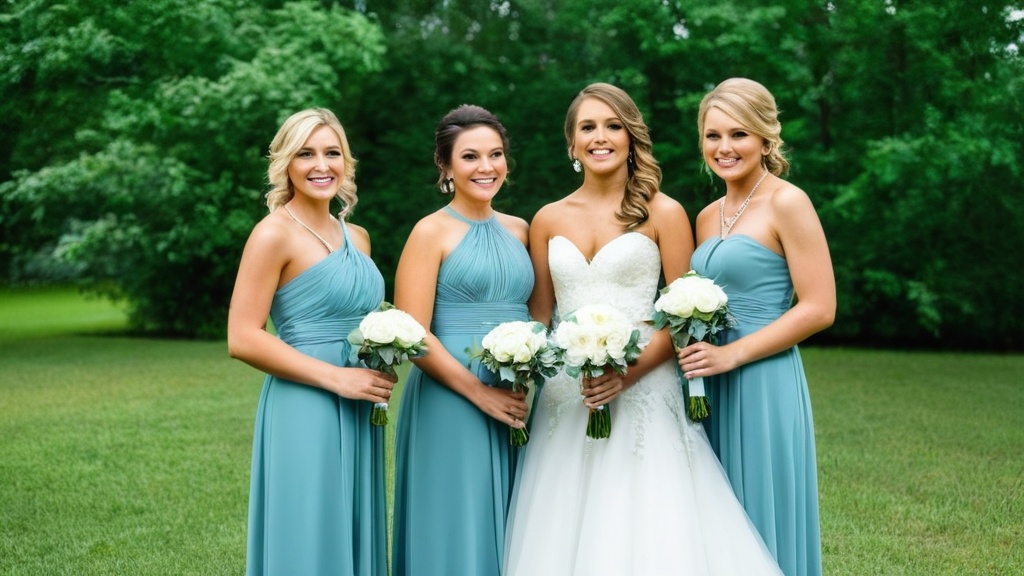
When I am assessing why a particular dress costs £80 while another visually similar option costs £220, I analyze the underlying factors that dictate garment pricing. It rarely comes down to arbitrary brand decisions; rather, it is tied directly to manufacturing and logistical inputs.
Fabric Choices and Silhouette Complexity
The material is the primary cost driver. I know that chiffon is generally cheaper to produce and easier to manipulate, which keeps the retail price lower. Conversely, when a bride requests heavier, more demanding fabrics such as satin or velvet, the price immediately scales upward. These materials are more expensive to source, more difficult to sew, and heavily impact the garment’s overall weight, which in turn slightly elevates shipping costs.
The complexity of the silhouette also plays a critical role. A basic A-line skirt with a simple scoop neck requires minimal labor. However, if the design involves intricate pleating, bias cuts, or an internally boned bodice, the manufacturer has to invest more time and manual skill into the creation of the dress, and that labor cost is passed directly to me.
Brand Names, Customizations, and Rush Orders
Beyond raw materials, brand positioning influences the price. Established bridal brands build a markup into their pricing model to cover their marketing and brick-and-mortar overhead. Additionally, the moment I deviate from standard sizing, the costs compound. Ordering extra length to accommodate my height or requesting a customized bodice measurement involves stepping outside the factory’s automated production processes.
Logistics also play a critical role in the final price. If I delay my purchase or if the bridal timeline is unusually short, I am likely to incur rush order fees. Manufacturers charge a premium to prioritize production and expedite international shipping, turning what should have been a mid-range dress purchase into a premium-tier expenditure.
Popular Brands, New Arrivals, and Practical Ways to Save
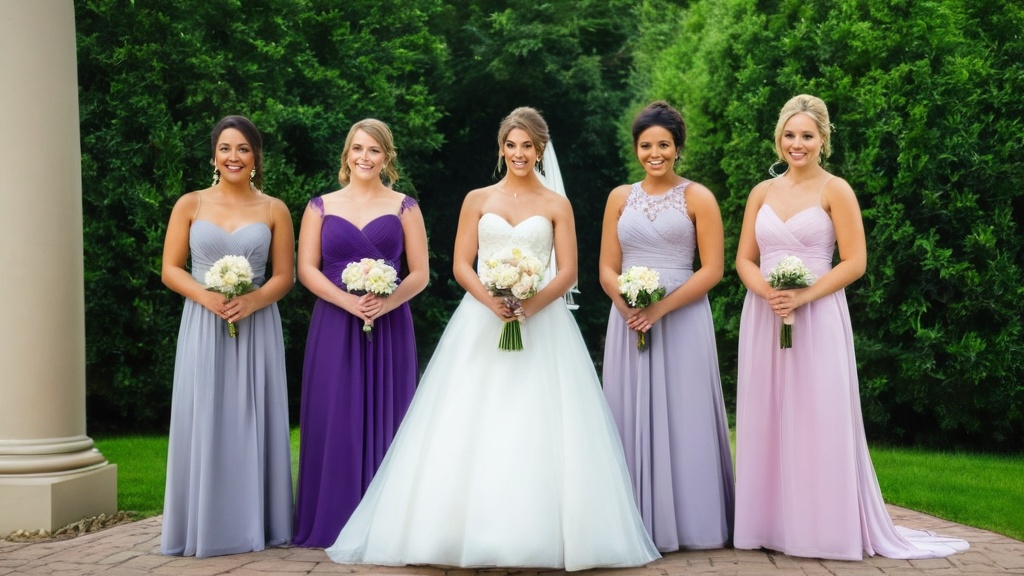
Navigating the bridesmaid market effectively requires me to know which brands offer reliable deliverables within specific price constraints. I frequently compare domestic and international retailers to find the most pragmatic balance between cost and quality.
Reliable Retailers on a Budget
I often encounter Azazie when a bridal party is looking for affordable options, specifically in standard materials like chiffon and tulle. Their production model keeps prices low, making it a highly accessible choice. Similarly, Kennedy Blue offers a functional selection clearly positioned in the £80 to £150 bracket, providing reliable mid-range options without excessive markups.
I also monitor international online retailers to capitalize on new inventory. For instance, Cocomelody’s recent catalogue features newly arrived chiffon and satin maxi dresses ranging from $89 to $139 (USD). Converting and comparing these prices often reveals sound investments. Their A-Line Midi Jacquard model is listed at an accessible $89, providing textured fabric at a budget-tier price. Meanwhile, their Sheath-Column Luxe Satin dresses sit between $119 and $139. Buying internationally means I must carefully calculate exchange rates and higher shipping fees, but structured satin at that price point is often worth the logistical effort.
Loyalty Programs and Strategic Purchases
I actively look for ways to mitigate the financial impact of buying standalone formal wear. Relying on established retailers like David’s Bridal, where standard dresses run between £60 and £150, generally provides access to structured discount mechanisms. By utilizing their loyalty perks or leveraging standard 5% off promotional codes typically available for bridal party group orders, I can shave a noticeable amount off the final checkout page. When multiple bridesmaids coordinate their purchases through a single brand account, these cumulative discounts can effectively offset the cost of domestic shipping or basic undergarments.
When planning a wedding, one of the many considerations is the cost of bridesmaid dresses, which can vary significantly based on style and designer. If you’re curious about how these costs can impact your overall wedding budget, you might find it helpful to explore related topics. For instance, an insightful article on wedding vows can provide a deeper understanding of the significance of the ceremony itself, which often influences the overall wedding theme and attire choices. You can read more about it in this article on wedding vows.
How 2026 Trends are Influencing Purchases
| Metrics | Data |
|---|---|
| Average Cost | 150 – 300 |
| Popular Colors | Navy, Blush, Burgundy |
| Styles | Long, Short, Convertible |
| Retailers | Davids Bridal, Azazie, Lulus |
The prevailing fashion trends for the 2026 wedding season heavily dictate what the market produces, which directly impacts my purchasing options and the overall longevity of the dress. The current focus heavily favors individuality and secondary utility over uniformity.
Mix-and-Match Styles and Rewearability
One of the most practical shifts in bridal planning is the widespread adoption of mix-and-match styles. When a bride assigns a specific color palette but allows me to select the silhouette and fabric, I gain total control over my budget. I can choose a £85 chiffon dress instead of a £200 velvet one, prioritizing a cut that suits my body type.
This trend is closely tied to a growing emphasis on re-wearable and eco-friendly garments. The traditional model involves buying a highly specific, single-use dress. Now, the market encourages selecting functional silhouettes that can realistically be worn to other formal events, making the £150 to £350 total investment much more justifiable.
Bold Colors and Statement Details
The color palettes projected for 2026 are highly saturated. I am increasingly seeing demands for deep, bold shades such as wine, burgundy, chartreuse, deep greens, and prominent metallics, alongside striking combinations like pink and green. While the dye itself does not notably alter the cost of a standard fabric, the demand for these specific shades often means I must source from newer, higher-priced collections rather than discounted clearance sections that carry outdated pastels.
Furthermore, statement details are defining the 2026 collections. Garments heavily incorporating pearls, lace overlays, or three-dimensional floral appliques demand more complex manufacturing. When a bride requests these specific embellishments, I immediately adjust my expectations toward the premium tier, recognizing that detailed handiwork or specialized machine applications categorically eliminate budget-tier pricing.
In closing, participating in a bridal party requires a pragmatic approach to personal finance. The data indicates that acquiring a bridesmaid dress in 2025 and 2026 is an exercise in managing multiple overlapping expenses, from the base £105 average of the dress to the final alterations and shipping fees. By understanding fabric costs, logistical penalties, and brand pricing structures, I can navigate these requirements objectively, ensuring I fulfill my obligations to the bride while keeping my expenditures thoroughly grounded in reality.
FAQs
1. What is the average cost of a bridesmaid dress?
The average cost of a bridesmaid dress can vary depending on the designer, style, and fabric. However, bridesmaid dresses typically range from $100 to $300.
2. Are there affordable options for bridesmaid dresses?
Yes, there are affordable options for bridesmaid dresses available at various retailers and online stores. Many brands offer budget-friendly options without compromising on style and quality.
3. Do bridesmaid dress prices vary based on the number of dresses purchased?
Some retailers offer discounts for purchasing multiple bridesmaid dresses at once. It’s common for stores to provide a discount when purchasing a certain number of dresses for a bridal party.
4. Are there additional costs to consider when purchasing bridesmaid dresses?
In addition to the cost of the dress, bridesmaids may need to budget for alterations, shipping fees (if ordering online), and accessories such as shoes and jewelry.
5. Can bridesmaid dresses be rented instead of purchased?
Yes, there are rental options available for bridesmaid dresses. Renting a dress can be a cost-effective alternative to purchasing, especially for dresses that may only be worn once.
