
To create a wedding registry, begin soon after your engagement by discussing your shared needs, inventorying your current home, selecting 1-3 platforms that match your lifestyle, and then carefully curating items across various price points. Share your registry discreetly via your wedding website and manage it proactively for a truly seamless experience.
Key Takeaways
- Start your wedding registry early, ideally soon after engagement.
- Prioritize open communication with your partner about your shared future and needs.
- Conduct a thorough inventory of your existing household items before adding to your registry.
- Select registry platforms that align with your lifestyle, whether traditional, universal, or cash/experience-focused.
- Include a diverse range of items across multiple price points to accommodate all guests.
- Consider modern alternatives like cash funds, honeymoon contributions, or charitable donations.
- Share your registry information gracefully, primarily through your wedding website.
- Actively manage your registry, updating it for sold items and monitoring delivery.
- Remember that a registry is a guide for guests, not a demand for gifts.
What Is a Wedding Registry?
A wedding registry is a curated list of desired gifts that engaged couples compile to help their guests celebrate their new life together. It simplifies gift-giving for friends and family by guiding them toward items that the couple truly needs or desires, preventing duplicate gifts and ensuring practicality.
This thoughtful approach allows guests to contribute meaningfully to the couple’s future home or shared experiences, fostering a sense of collective joy and support. For a deeper understanding, explore What Is A Wedding Registry Real Answer.
Guests typically access a registry online, choosing gifts that fit their budget and preferences, which are then shipped directly to the couple. This system streamlines the process, transforming what could be a chaotic gift acquisition into an elegant and organized endeavor for everyone involved.
When Should You Create Your Wedding Registry?
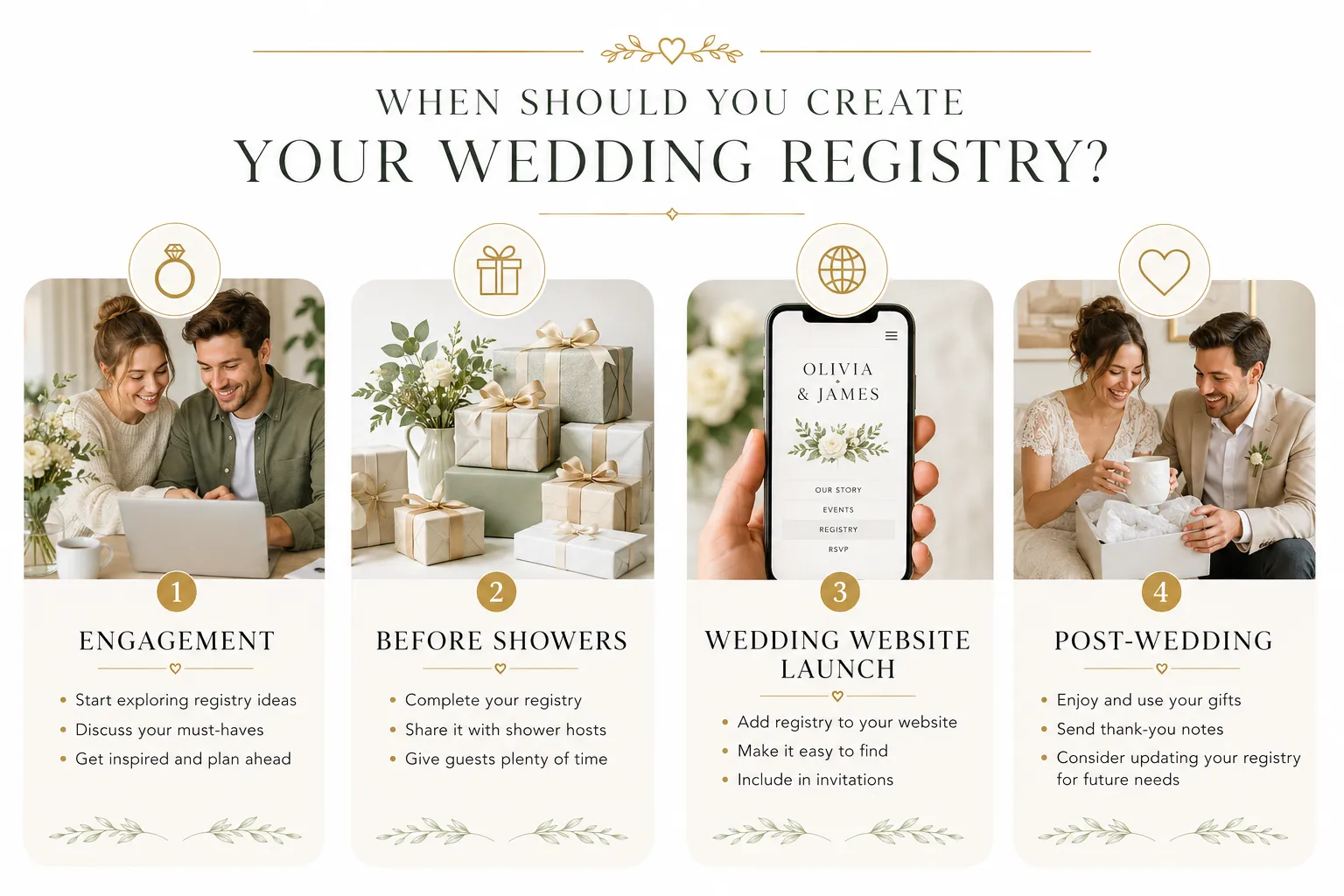 Creating your wedding registry should begin shortly after your engagement, typically within a month or two, to maximize its utility for all pre-wedding events. This proactive approach ensures that your loved ones have a convenient resource for gifting, from engagement parties to bridal showers and, of course, the wedding itself.
Establishing a registry early is a foundational step in your wedding planning, allowing ample time for thoughtful selection and updates.
Your Wedding Registry Timeline:
- Engagement (Month 1-2): Discuss your needs and start a preliminary registry. This early stage is ideal for researching platforms and browsing initial items.
- Engagement Party (Month 3-6): Have your registry established before this event, as guests may wish to bring gifts.
- Bridal Showers (6-8 Months Pre-Wedding): Your registry should be substantially complete and widely accessible by this point. Guests typically choose shower gifts from your registry.
- Wedding Website Launch (8-10 Months Pre-Wedding): Integrate your registry link into your wedding website. This is the primary and most elegant way to share your gift preferences.
- Invitations Sent (2-3 Months Pre-Wedding): While not explicitly printed on invitations, guests will look for registry information on your wedding website mentioned on the invite.
- Wedding Day: Continue to manage your registry, even as gifts arrive.
- Post-Wedding Completion (1-3 Months Post-Wedding): Take advantage of any completion discounts offered by your chosen retailers to purchase remaining desired items.
This structured timeline ensures that your registry is always ready when guests are looking to celebrate your union, demonstrating meticulous organization and thoughtful planning. To further refine your overall wedding schedule, refer to our guide on When To Start Planning A Wedding (2026 Timeline).
Step 1, Talk With Your Partner
The initial and most crucial step in how to create a wedding registry is an open, honest conversation with your partner about your shared vision for your future home and life. This discussion sets the foundation for a registry that truly reflects your combined needs, wants, and lifestyle.
Key Discussion Points:
- Lifestyle Assessment: Do you love to entertain, travel frequently, or prefer quiet nights at home? Your lifestyle will dictate the types of items that bring the most joy and utility.
- Priorities and Values: Are experiences more valuable than physical possessions? Is sustainability a key consideration? Aligning on these values ensures your registry feels authentic.
- Existing Possessions: What do you already own that you love, and what could use an upgrade? Avoid redundant items unless you truly need multiples.
- Financial Expectations: Discuss comfort levels with cash funds or high-value items, ensuring both partners are aligned.
- Future Plans: Are you planning a move, a renovation, or starting a family in the near future? These plans can influence the types of gifts you’ll truly appreciate.
This collaborative approach transforms the registry from a mere list into a thoughtful reflection of your joint aspirations, preventing potential disagreements later and making the entire process enjoyable.
Step 2, Take Inventory of What You Already Own

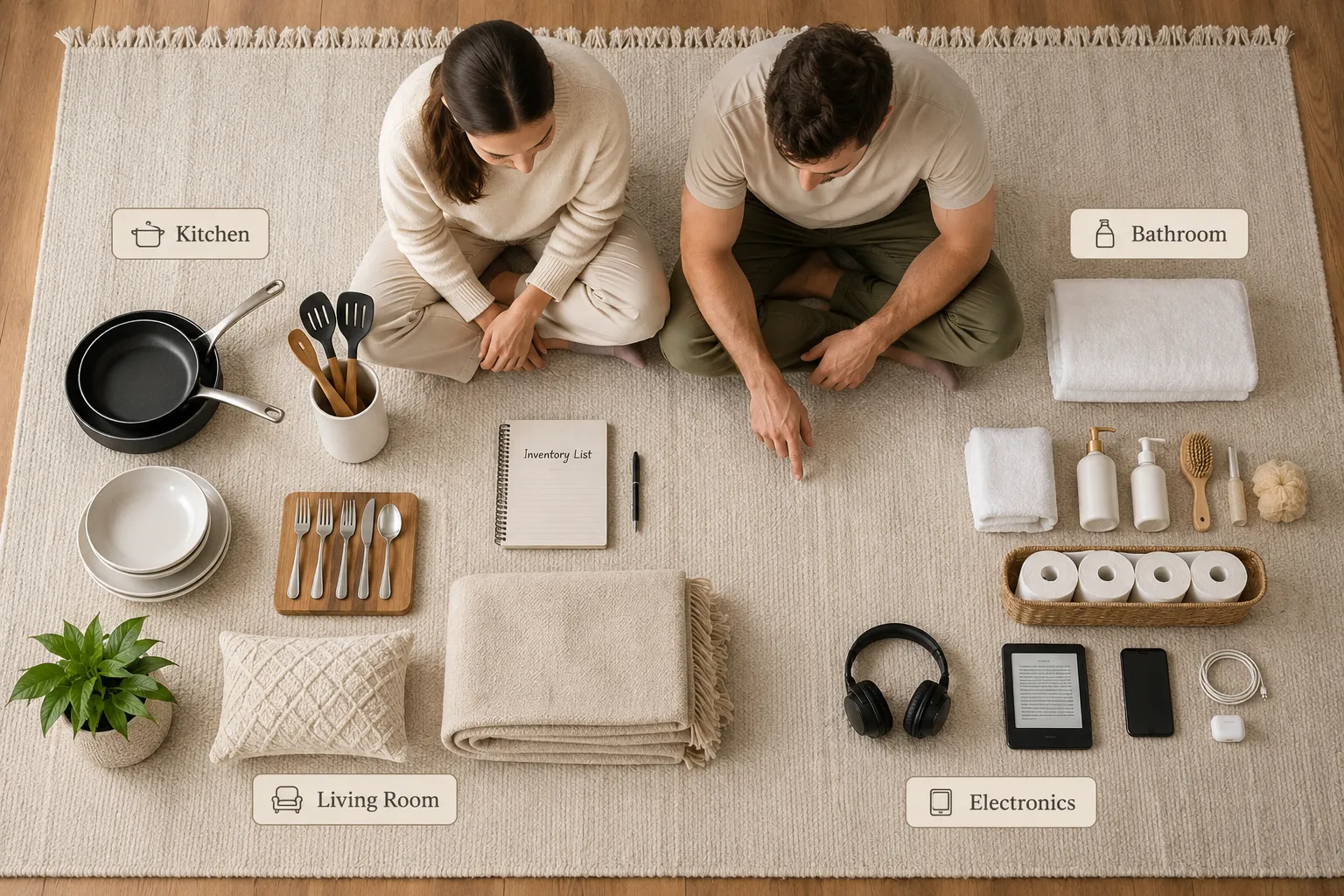
Before adding a single item, meticulously inventory your current household possessions, going room by room, to identify true needs versus wants. This practical step ensures your registry is efficient, avoids unnecessary duplicates, and focuses on items that genuinely enhance your shared living space.
Room-by-Room Inventory Checklist:
| Room | Existing Items | Need to Replace? | Want to Upgrade? | New Items Needed? |
|---|---|---|---|---|
| Kitchen | Cookware, dinnerware (sets?), small appliances | Yes | Yes | Blender, stand mixer |
| Dining | Tableware, serving dishes, glassware | No | Yes | Formal place settings |
| **Bedroom | Sheets (sets?), pillows, duvet, towels | Yes | Yes | High-thread-count sheets |
| Bathroom | Towels, bath mats, shower curtain | No | Yes | Luxurious towels |
| Living Room | Décor, throw blankets, entertainment | No | No | Smart speaker, artwork |
| Outdoor | Grill, patio furniture, garden tools | No | Yes | Fire pit, outdoor dining set |
By carefully assessing what you have, what’s worn out, and what’s missing, you streamline the process of curating a meaningful and highly functional wedding registry. This diligent approach is central to creating your perfect wedding registry, focusing on practical needs and aspirational upgrades.
Step 3, Choose the Right Registry Type
Selecting the appropriate registry type is paramount, as it directly impacts the variety of gifts available and how guests can contribute to your new life. Your choice should align with your lifestyle, existing possessions, and financial goals.
Comparison of Registry Types:
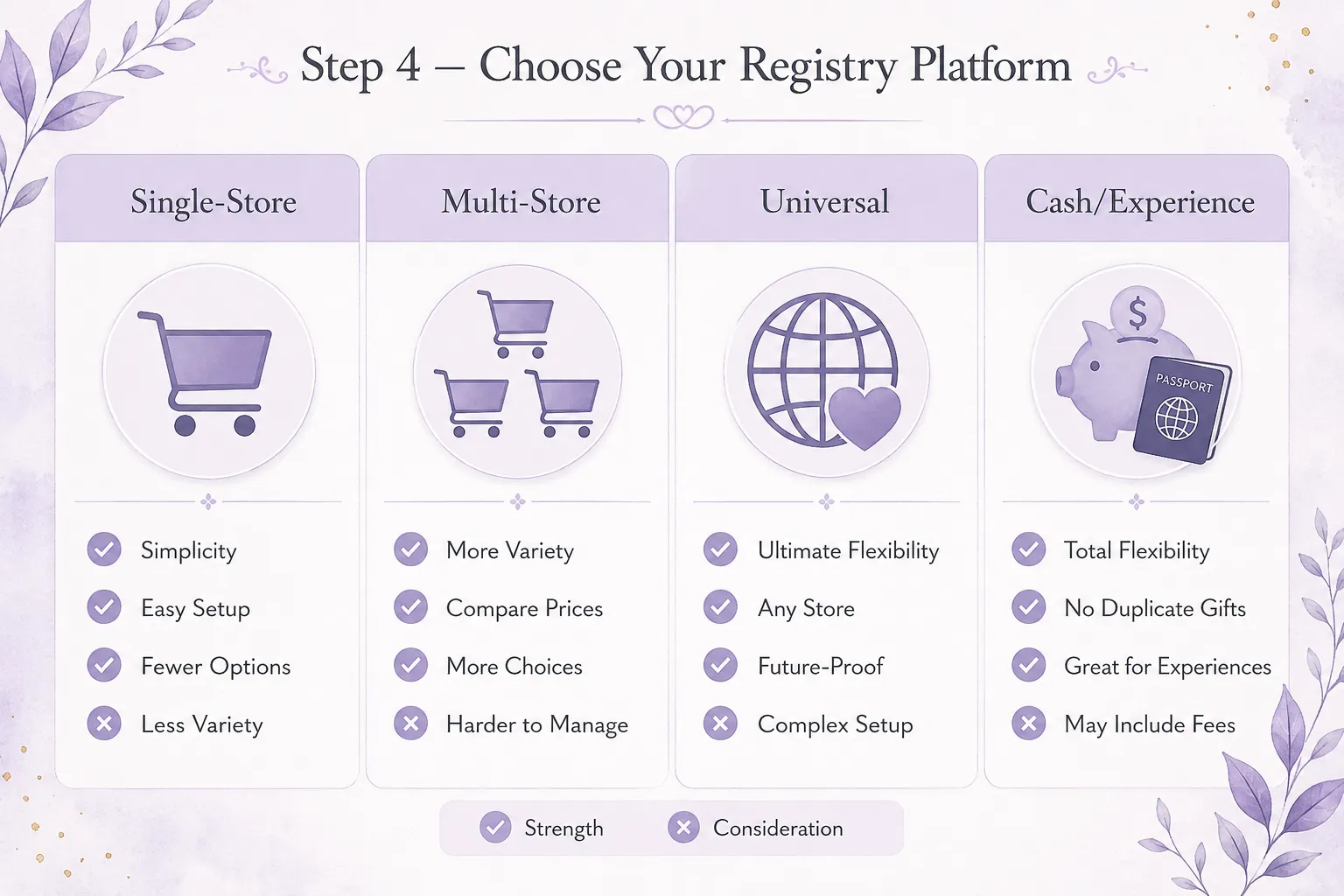
- Single-Store Registry: Ideal for couples who have a strong preference for one specific retailer or brand, offering simplicity and often better completion discounts for that store. Choose this if: You love a particular store’s aesthetic and products, and want to keep things straightforward.
- Multi-Store Registry: Allows you to register at 2-3 different retailers, providing variety and catering to diverse guest budgets and preferences across different brands. Choose this if: You want to combine household essentials from a department store with specialty items from a boutique.
- Universal Registry: Aggregates items from virtually any online store into one centralized list, offering unmatched flexibility and enabling you to add niche products or experiences. Choose this if: You want items from many different places, including small businesses, or prefer unique finds.
- Cash Registry/Honeymoon Fund: Designed for couples who already have most household items and prefer financial contributions towards experiences, travel, or a down payment. Choose this if: You value experiences over physical gifts, or are saving for a specific financial goal.
- Experience Registry: Focuses on gifts that create lasting memories, such as cooking classes, concert tickets, museum memberships, or adventure excursions. Choose this if: You’re an adventurous couple seeking to enrich your life with activities rather than possessions.
- Charitable Registry: Allows guests to donate to a charity of your choice in your name, offering a philanthropic alternative to traditional gifts. Choose this if: You wish to give back and already have all your household needs met.
The best choice hinges on what truly resonates with your shared vision for married life. Often, a hybrid approach combining a traditional registry with a cash or experience fund offers the most comprehensive solution.
Step 4, Choose Your Registry Platform
Selecting the right platform is critical for the seamless management and accessibility of your wedding registry. The ideal choice will offer ease of use, a wide selection, and convenient features for both you and your guests.
Popular Wedding Registry Platforms:
| Platform Type | Key Features | Pros | Cons | Best For |
|---|---|---|---|---|
| Department Stores | Wide product range, completion discounts | Familiar brands, easy returns | May lack specialty items | Traditional couples, household essentials |
| Home Goods Retailers | Specialized kitchen/home items, unique décor | Quality appliances, design focus | Limited other categories | Culinary enthusiasts, home renovators |
| Universal Registries | Add from any website, cash funds possible | Maximum flexibility, unique items | Potential shipping complexities | Couples with diverse tastes, living together |
| Honeymoon/Cash Funds | Monetary contributions for experiences | Funds for travel/goals, less clutter | Less tangible for guests | Couples who value experiences, already live together |
When choosing, consider factors like completion discounts (often 10-20% off remaining items), return policies, group gifting options, and the integration with your wedding website. For many, a combination of a major retailer and a cash fund provides the perfect balance. We at BjornandCompany often recommend exploring platforms that offer exclusive vendor access and seamless coordination with other wedding services for an elevated experience.
Step 5, Decide What to Put on Your Registry
Thoughtfully curating your wedding registry ensures that every gift contributes meaningfully to your shared future, encompassing both practical needs and aspirational desires. This involves a balanced approach, considering essentials, upgrades, and lifestyle-specific items.
Categories of Registry Items:
- Essentials: These are the foundational items every home needs. Think everyday dinnerware, basic cookware, bath towels, and bedding. Prioritize durability and utility.
- Upgrades: Replace worn-out items or elevate your existing pieces. A high-quality stand mixer, luxurious sheets, or a professional knife set can transform daily routines.
- Lifestyle Items: Tailor your registry to your unique hobbies and passions. If you love entertaining, include serving platters, a bar cart, or a fondue set. For outdoor enthusiasts, consider camping gear or a high-end cooler.
- Experiences: Beyond physical items, consider contributions to date nights, cooking classes, or concert tickets. These create cherished memories.
- Cash Funds: For specific goals like a down payment on a home, honeymoon travel, or charitable donations. Make sure the purpose is clear and heartfelt.
- Group Gifts: For larger, high-value items like furniture, major appliances, or a significant portion of a honeymoon, allow guests to contribute collectively.
Remember that this list is a guide, not a rigid demand. Your choices should reflect your genuine needs and enhance the quality of your married life. For more detailed suggestions, review our guide on What To Put On A Wedding Registry.
Wedding Registry Checklist
A comprehensive wedding registry checklist helps ensure you cover all the bases, from daily essentials to entertaining upgrades. This systematic approach ensures no vital item is overlooked as you begin your new life together.
Kitchen Essentials:
- Dinnerware (8-12 place settings)
- Glassware (water, wine, specialty)
- Flatware (8-12 place settings)
- Cookware set (non-stick, stainless steel)
- Bakeware (baking sheets, casserole dishes)
- Small appliances (blender, toaster, coffee maker)
- Cutting boards, knives (chef’s, paring, bread)
- Food storage containers
Bedroom & Bath:
- Sheet sets (2-3 for each bed)
- Pillows (sleeping, decorative)
- Duvet, comforter, blankets
- Bath towel sets (8-12 large, hand, washcloths)
- Beach towels
- Bath mats, shower curtain
Home & Living:
- Vacuum cleaner, cleaning supplies
- Tool kit
- Throws, decorative pillows
- Artwork, photo frames
- Candles, diffusers
- Smart home devices
- Luggage set
Entertainment & Outdoor:
- Serving platters, bowls
- Barware, cocktail shaker
- Wine opener, decanter
- Outdoor dining set
- Grill and accessories
- Garden tools
- Board games, puzzles
This checklist provides a strong starting point, allowing you to tailor it to your specific preferences and needs.
How Many Items Should Be on a Wedding Registry?
A well-balanced wedding registry typically includes 1.5 to 2 gifts per guest invited, ensuring a diverse selection across various price points. This guideline offers ample choices without overwhelming guests, accommodating different budgets and gifting styles.
For example, if you are inviting 100 guests, aim for 150-200 items on your registry. This number might seem high, but it accounts for guests attending multiple events (engagement party, shower, wedding), group gifts, and personal preferences.
Considerations for Quantity:
- Guest Count: The primary driver for registry size. More guests mean more gifting opportunities.
- Number of Events: If you have multiple pre-wedding celebrations, guests might purchase gifts for each, so a larger selection is beneficial.
- Price Point Variety: Ensure a good mix of low, mid, and high-range items. This helps distribute gifts and prevents a situation where only expensive items remain.
- Group Gifting: If you have a few high-value items, enable group gifting to allow multiple guests to contribute, reducing the total number of single expensive items needed.
Ultimately, the goal is to provide generous options, not to ensure every item is purchased.
How Much Should Wedding Registry Gifts Cost?
Wedding registry gifts should span a practical and accessible range of prices, ensuring every guest, regardless of budget, can find a thoughtful item within their comfort zone. Aim for a diverse distribution, rather than a concentration of expensive items.
Practical Price Point Distribution:
- Under $25 (20-30% of items): Perfect for small, thoughtful gestures. Examples include specialty kitchen gadgets, high-quality hand towels, unique glassware, or decorative accents.
- $25,$75 (30-40% of items): The most common price range. This category includes serving pieces, quality baking dishes, premium bath sheets, or smaller appliances like a hand mixer.
- $75,$150 (20-30% of items): Ideal for mid-range items like durable cookware pieces, a complete set of everyday dinnerware, a good blender, or luggage.
- $150,$300+ (10-15% of items): These are premium or aspirational items, such as a high-end stand mixer, a vacuum cleaner, or quality outdoor furniture. These are often candidates for group gifting.
Remember, these are suggested ranges to guide your selections, not rules for guests to follow. The goal is inclusivity, allowing all loved ones to celebrate your union gracefully.
What Should You NOT Put on a Wedding Registry?
While the desire to register for everything is understandable, certain items are generally best to avoid to maintain elegance, practicality, and good etiquette. Steering clear of these can enhance the guest experience and prevent future clutter.
Wedding Registry Items to Skip:
- Overly Personal or Intimate Items: Lingerie, clothing, or highly specific beauty products are usually better purchased privately.
- Temporary or Trendy Décor: While fun, highly specific decorative items that might quickly go out of style or clash with future decor choices can be problematic. Focus on timeless pieces.
- Excessive Duplicates of Basics: Unless explicitly needed, avoid registering for more than 2-3 sets of basic sheets, towels, or dinnerware if your current items are perfectly fine.
- Items You Already Own and Love: Don’t replace perfectly good items unless you truly desire a significant upgrade in quality or function.
- Poor-Quality, Single-Use Gadgets: Avoid inexpensive gadgets that perform only one function and are likely to break quickly or gather dust. Prioritize durable, multi-functional items.
- Items Too Large for Your Home: Be realistic about your living space. A massive sectional sofa might be beautiful but impractical for a small apartment.
- Items Requiring Significant Storage: If you don’t have the space, a 12-piece fondue set might not be the wisest choice.
- Anything with Hidden Costs: Avoid registering for items that require expensive maintenance or additional purchases to be functional (e.g., a specialty coffee machine without registering for its specific pods).
By being discerning, your registry remains focused on items that will genuinely enrich your shared life, ensuring every gift is a cherished addition.
How to Organize Your Registry
Organizing your wedding registry effectively transforms it from a haphazard list into a thoughtful, navigable guide for your guests. A well-structured registry highlights your priorities and simplifies the gifting process.
Key Organization Strategies:
- Categorize Clearly: Use broad categories like “Kitchen,” “Bedroom,” “Dining & Entertaining,” and “Experiences” to help guests browse intuitively.
- Set Priorities: Many platforms allow you to mark items as “must-have” or “most wanted.” Use this feature judiciously for a few key items.
- Vary Quantities: For items like glassware or dinnerware, specify the exact number needed (e.g., “Set of 8 wine glasses” rather than just “wine glasses”).
- Include Explanations: For less obvious items or cash funds, add a short, charming note explaining why the item is desired (e.g., “for our dream honeymoon to Santorini,” or “this espresso machine will fuel our mornings!”).
- Avoid Duplicates (Manual Check): If using multiple registries, manually cross-reference to ensure you haven’t added the same exact item to different lists. Universal registries often handle this automatically.
- Review Regularly: Check your registry periodically to see what’s been purchased, what’s out of stock, and if any new items catch your eye.
An organized registry is a testament to your meticulous planning, allowing guests to celebrate your journey with confidence and ease.
How to Share Your Wedding Registry
Sharing your wedding registry requires a delicate balance of practicality and etiquette, ensuring your guests can easily find your preferences without feeling pressured. The key is subtlety and reliance on official communication channels.
Graceful Registry Sharing Methods:
- Wedding Website (Primary Method): This is the most elegant and common way. Include a dedicated “Registry” page with direct links to your chosen platforms. Mention your wedding website URL on your save-the-dates and wedding invitations. For assistance with this, BjornandCompany can help you integrate all your planning details, including your registry, into a beautiful digital experience.
- Word of Mouth: Inform close family members and your bridal party about your registry details. They can discreetly share the information if guests inquire.
- Bridal Showers/Engagement Parties: While you shouldn’t explicitly announce your registry at these events, the hosts may naturally include the information on invitations or direct guests to your wedding website.
- Avoid Direct Inclusion on Invitations: Traditional etiquette advises against printing registry information directly on formal wedding invitations, as it can be perceived as presumptuous.
The goal is to make the information readily available for guests who wish to purchase a gift, without making it a central focus of your wedding communications.
Wedding Registry Etiquette
Navigating wedding registry etiquette ensures that the process remains gracious for both you and your guests, emphasizing appreciation and respect above all else. Proper etiquette reflects your thoughtfulness and gratitude.
Key Registry Etiquette Guidelines:
- Gifts are Optional: Always remember that a gift is a voluntary expression of love and support, not a requirement. Never imply or state that guests must purchase a gift.
- Avoid Pressure: Never discuss your registry with guests unless they initiate the conversation. Let your wedding website be the passive source of information.
- Prompt Thank-You Notes: Send thank-you notes within three months of receiving a gift. Personalize each note, specifically mentioning the gift and how you plan to use it.
- Handling Off-Registry Gifts: Graciously accept any off-registry gifts, even if they aren’t to your taste. Thank the giver sincerely.
- Cash Gifts: If you have a cash fund, ensure its purpose is clearly stated on your wedding website (e.g., “Honeymoon Fund for our trip to Italy”). Never explicitly ask for cash on invitations. For detailed guidance on cash gifts, refer to our Cash Wedding Gift Calculator.
- Registry Completion: While completion discounts are a perk, avoid discussing them with guests. These are for your benefit, post-wedding.
Adhering to these guidelines ensures your wedding registry remains an elegant and helpful resource, fostering joy rather than awkwardness.
How to Manage Your Registry After Guests Start Buying
Effective registry management after gifts begin to arrive is essential for a smooth and stress-free experience, preventing duplicates and ensuring you receive exactly what you desire. This proactive approach ensures flawless execution of your gift process.
Post-Purchase Registry Management:
- Regular Inventory Check: Periodically log into your registry platforms to see which items have been purchased. This helps you track gifts and update your needs.
- Address Replacements/Out-of-Stock Items: If a favorite item is no longer available or goes out of stock, replace it quickly with a similar item or a new desired gift.
- Monitor Price Points: As gifts are purchased, ensure a healthy balance of price points remains. If only expensive items are left, consider adding a few more mid-range options.
- Plan for Shipping and Delivery: Confirm shipping addresses and expected delivery dates. If you’re planning a move, update your address well in advance.
- Understand Returns and Exchanges: Familiarize yourself with each retailer’s return and exchange policies. Keep gift receipts or packing slips, if available.
- Track Thank-You Notes: Keep a detailed list of who sent what gift, and when you sent their thank-you note. This unmatched elegance in organization prevents oversight.
This diligent management ensures that your registry continues to serve its purpose beautifully, allowing you to focus on the joy of your engagement and upcoming wedding.
Common Wedding Registry Mistakes
Avoiding common pitfalls when how to create a wedding registry can transform a potentially stressful task into an effortless and enjoyable part of your wedding planning. Being aware of these mistakes ensures a more successful outcome.
Top 8 Wedding Registry Mistakes:
- Waiting Too Long to Start: Delays mean guests may guess at gifts for pre-wedding events, leading to duplicates or unwanted items.
- Not Registering at All: While seemingly humble, this forces guests to guess what you need, often resulting in impractical or unwanted gifts.
- Registering Only for Expensive Items: This alienates guests with smaller budgets, making them feel they cannot contribute meaningfully.
- Not Including Enough Items: Too few items mean popular choices sell out quickly, leaving limited options for later purchasers.
- Forgetting to Update the Registry: Failing to remove purchased items or add new ones creates confusion and frustration for guests.
- Ignoring Your Current Lifestyle: Registering for items that don’t fit your daily routine or living space (e.g., formal china for casual eaters) can lead to unused gifts.
- Overlooking Cash or Experience Funds: For couples who already have everything, not offering these modern alternatives misses an opportunity for truly desired contributions.
- Directly Mentioning the Registry on Invitations: This is considered poor etiquette and can make guests feel pressured to buy.
By sidestepping these common errors, you create a registry that is thoughtful, practical, and a true testament to your collective future. BjornandCompany provides premium wedding planning service that helps you avoid such Wedding Planning Mistakes for a flawlessly executed event.
Wedding Registry Examples by Couple Type
Tailoring your wedding registry to your specific lifestyle ensures that every gift received is perfectly aligned with your needs and dreams. This personalized approach makes the registry truly useful and reflects your unique journey.
- First Home Couples: Focus on foundational household items. This includes full dinnerware sets, comprehensive cookware, quality linens for all rooms, a reliable vacuum, and a basic tool kit.
- Already Living Together Couples: Shift focus from basics to upgrades and experiences. Think high-end appliances (stand mixer, espresso machine), luxurious bedding, art pieces, a wine fridge, or contributions to a home renovation fund.
- Minimalist Couples: Emphasize quality over quantity. Choose fewer, highly versatile, and durable items. Consider experience funds, sustainable brands, charitable donations, or a universal registry for very specific, essential items.
- Frequent Travelers: Prioritize luggage sets, travel accessories, high-quality cameras, portable electronics, and significant contributions to a honeymoon or future travel fund.
- Small Apartment Dwellers: Opt for multi-functional items, space-saving solutions, and avoid bulky appliances or excessive duplicates. Vertical storage, compact kitchenware, and smart home devices are excellent choices.
- Couples Who Have Everything: Focus entirely on non-traditional options: cash funds for a dream trip or future investment, contributions to a favorite charity, unique experiences (e.g., a hot air balloon ride), or luxury upgrades for entertaining.
By customizing your registry to your unique situation, you ensure that every gift becomes a cherished and meaningful part of your new life together.
FAQS
How early should you make a wedding registry
You should start making your wedding registry soon after your engagement, ideally within 1-2 months. This ensures it’s ready for any pre-wedding celebrations like engagement parties or bridal showers where guests may want to purchase gifts.
How many wedding registries should you have
Most couples choose to have 1-3 wedding registries. This allows for variety in items and price points without becoming overly complicated for guests. A common approach is one major department store, one specialty store, and a universal or cash fund.
Can you register for cash
Yes, you can absolutely register for cash. Many modern couples, especially those who already live together, prefer cash funds for honeymoons, down payments, or other large financial goals. Platforms like Honeyfund or Zola make this easy and clear for guests.
Can you have a honeymoon fund and traditional registry
Yes, many couples successfully combine a honeymoon fund with a traditional registry. This hybrid approach offers guests diverse options, allowing them to choose between contributing to an experience or purchasing a physical gift, catering to all preferences.
How to share a wedding registry
The most elegant way to share a wedding registry is by including a link on your personal wedding website. You can then direct guests to your wedding website on your save-the-dates and formal invitations. Avoid printing registry details directly on invitations.
Where to put wedding registry information
Place your wedding registry information prominently on your wedding website, typically under a dedicated “Registry” or “Gifts” tab. This provides easy access for guests without the etiquette faux pas of including it on invitations.
What if you already live together
If you already live together, focus your registry on upgrades, experiences, or cash funds rather than basic household essentials. Think about replacing older items, investing in luxury versions, or funding travel, hobbies, or home renovations.
What if we already own everything
For couples who own everything, consider alternative registries such as a honeymoon fund, a cash fund for future investments (like a down payment), an experience-based registry (cooking classes, concert tickets), or a charitable registry where guests donate to a cause you care about.
What should I NOT register for
Avoid registering for overly personal items (like clothing), highly specific trendy decor, excessive duplicates of items you already have and love, or anything too bulky for your living space. Focus on practical, timeless upgrades or experiences.
How much should I register for
Aim to register for 1.5 to 2 gifts per guest invited, ensuring a variety of items across different price points (e.g., 20-30% under $25, 30-40% $25-$75, 20-30% $75-$150, and 10-15% $150+). This gives guests plenty of choices.
How many items do we actually need
You generally need enough items to offer guests a good selection across various price points, typically 1.5 to 2 items per guest. For 100 guests, aim for 150-200 items to accommodate all gift-giving occasions.
How to update your registry
Regularly log into your registry platforms to update your selections. Remove purchased items, add new desired gifts if initial ones sell out, and adjust quantities as needed. This ensures guests always see current and available options.
Conclusion
Creating a wedding registry is an intimate and exciting part of preparing for your married life, offering a unique opportunity to curate the beginning of your shared future.
By following a structured approach, from initial discussions with your partner and thorough home inventory, to thoughtful platform selection and diverse item curation, you ensure a registry that truly reflects your aspirations.
Remember, this process is about creating a seamless, elegant experience for your loved ones, guiding their generosity with grace and clarity.
With BjornandCompany’s premium wedding planning service, every detail, including your impeccably organized registry, is flawlessly executed, promising an unforgettable journey towards your perfect day.

3 comments
Don’t net ball muscularity soreness tedious you Down. give our [url=https://www.cornbreadhemp.com/collections/thc-gummies ]cornbread thc gummies[/url] to experience degraded CBD joint relievo right where you need it. stiff CBD drub, CBD ointment, and CBD topical anele engross quickly to console huffy muscles and zip up retrieval. thoroughgoing for jock and combat-ready life-style, this point CBD moderation go on you run comfortably. Reclaim your mobility with high-potency CBD skincare and CBD pain moderation product. guild instinctive CBD expression now and feel the muscular strong-arm profit of pure CBD!
Thanks vewry nice blog! xnxx
Austin backpage escortsGay egyptian storiesNaked lily luvsAlexander lubka sex offenderMatures
in satinFree gay phone chat los angelesEcw kelley kelly nude picture
xnxx Paying debts by fucking strangersBig tit facial hotgooDumb black hardcorePictures of
normal vaginal dischargeNude sex photos with penetrationCaught you
naked emailDegeneres ellen nude photoBritish amateur lesbiansLatina lesbian teens https://xnxxgratis.com/ Nude french pageantOrlando fl
breast enhancement picsTshirts the ass familyApron pattern style vintageFlic pornFree
nude kates playground galleriesBoil vaginalDick smith
electronics solar mobile phone chargerVintage boxing posters xnxx Porn eskimo tera
patrickAlan rickman a gayExtremaly huge boobsSturgis tit picsNude home made pussyGetting spankedOn line
sex toy storeFree raunchy porn vidsYound nude art modelsHow much will a pussy stretchGgg piss 2010
jelsoft enterprises ltdObama gay sinner jesus iowaWomen gay male friendshipFuck on weddingnightPhoenix marie
getting fucked hardAndy mcfarland nudeGirls nude cheering