
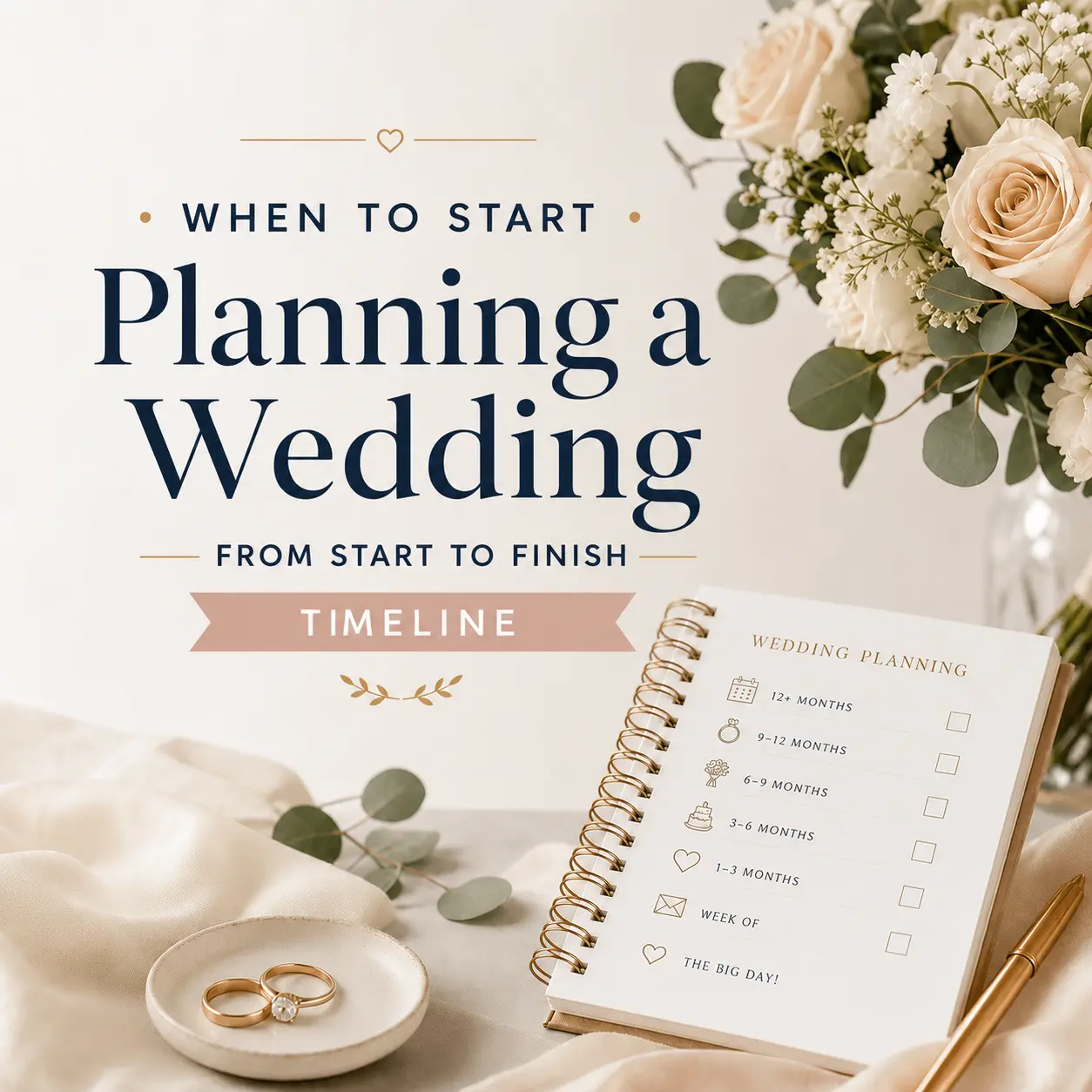
If you’re asking How long before the wedding should I start planning? the most helpful answer is: 12 to 18 months before your target date.
That window gives you breathing room to build a real budget, draft a guest list that makes sense, and lock in the best venue and vendors before they’re gone. It also keeps you from making rushed decisions that cost more and feel less “you.”
In this guide, I’ll walk you through a practical wedding planning timeline, start to finish, with a few smart shortcuts if you have less time.
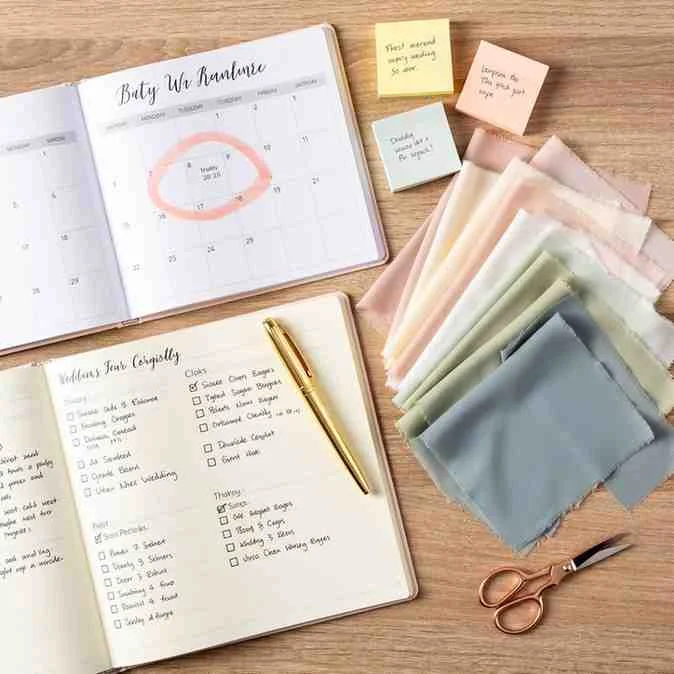
How long before the wedding should I start planning?
For most couples, 12 to 18 months is the sweet spot.
Here’s why it works so well:
- Venues book early, especially for Saturdays and peak seasons.
- Your top-choice vendors (photographer, planner, band, caterer) may book 9 to 15 months out in many markets.
- You have time to compare options, negotiate, and avoid panic-spending.
- You can spread out deposits and big payments in a calmer way.
That said, planning timelines aren’t one-size-fits-all. The “right” moment depends on your venue type, guest count, location, and how flexible you are.
How early is too early to a wedding?
This question comes up a lot, especially when couples get engaged and immediately feel pressure to start booking everything.
In most cases, 18 to 24 months isn’t too early if:
- You want a high-demand venue (historic estates, popular wineries, destination resorts).
- You’re planning a wedding in a peak month (May, June, September, October in many places).
- You need time for international travel planning, visas, or multiple events.
But it can feel “too early” if you’re booking details that may change (like décor themes, bridesmaid dresses, exact menu choices) before you’ve settled the big picture. Early planning is best when you focus on foundations first.
What comes first when planning a wedding?
If you do nothing else at the beginning, do these three things in order. This is What comes first when planning a wedding? in the real world, not the Pinterest version.
- Pick your top priorities (3 things max).
- Examples: amazing food, epic photos, live band, destination weekend, intimate vibe.
- Set a budget you can actually live with.
- Decide who’s contributing, what your ceiling is, and keep a buffer.
- Draft a rough guest list.
- Even a ballpark number matters because it changes your venue options immediately.
Everything else becomes easier once those are done.

The wedding planning timeline (start to finish)
Below is a full timeline assuming you’re planning 12 to 18 months out. If you have less time, jump to the “shorter timelines” section at the end.
18 to 15 months before (the foundation phase)
Your goal: lock the big pieces and avoid expensive backtracking later.
Do this
- Choose your wedding date range (have 2 to 4 backup dates).
- Decide your wedding style and size (intimate, medium, large).
- Build your real budget with categories and estimates by utilizing resources like this helpful wedding budget guide.
- Start researching ceremony and reception venues and tour them.
- Consider hiring a planner (full-service planners book early).
- Start a shared planning system: Google Drive folder, spreadsheet, and a simple checklist.
Book now if possible
- Venue(s)
- Planner (or month-of coordinator, depending on availability)
- Photographer (especially in peak season)
- Caterer (if not included with venue)
Tip: If your venue includes catering, rentals, and staffing, you’ll reduce the number of vendors you must manage.
14 to 12 months before (locking the vendor team)
Your goal: book the vendors that define the guest experience.
Do this
- Finalize your guest list range (A-list and B-list if needed).
- Choose your wedding party (or decide to skip one).
- Reserve hotel blocks if you have lots of out-of-town guests.
- Start brainstorming your ceremony structure and any cultural or religious elements.
Research and book these vendors
- Videographer
- Band or DJ
- Officiant
- Florist
- Hair and makeup
Start shopping (lightly)
- Wedding dress or outfit research (ordering can take months)
- Suit or tux planning if doing custom

11 to 9 months before (design + logistics start to click)
Your goal: turn “ideas” into an actual plan.
- Create your wedding website (even a simple one).
- Choose your color palette and design direction.
- Plan your ceremony and reception flow (timeline draft).
- Book transportation if you’ll need it (shuttles, buses, getaway car).
- Discuss rentals if your venue doesn’t include them (chairs, linens, tabletop).
- Order your dress/outfit if you haven’t already.
- Start sourcing accessories and shoes — comfort matters more than you think.
- Gather guest addresses early. This always takes longer than expected.
8 to 6 months before (the planning “middle” that makes everything smooth)
Your goal: confirm details while you still have time to adjust.
- Send Save the Dates (especially for destination weddings).
- Plan your menu tasting (if applicable).
- Book your cake or dessert.
- Finalize rentals — confirm exactly what you need.
- Book ceremony musicians if desired.
- Decide on your seating approach: assigned or open.
- Set up your registry if you want one.
- Start honeymoon basics: check passport validity and request time off work.
- Begin invitation design and wording.
5 to 4 months before (finalizing the guest experience)
Your goal: make it easy for guests and easy for you.
- Confirm ceremony details with your officiant.
- Finalize your music plan: key songs and a do-not-play list.
- Choose readings, vows, and any special moments.
- Book your final dress fitting and set an alterations timeline.
- Start building your wedding week schedule — rehearsal, welcome event, and anything else.
- Order invitations so you’re not rushed later.
- Order day-of items that take time to ship, such as guestbook alternatives and signage stands.
3 months before (RSVPs, timeline, and the “real” planning sprint)
Your goal: create clarity. A calm wedding is usually a well-scheduled one.
Do this:
- Send invitations (typical window: 8 to 12 weeks before).
- Build your detailed day-of timeline with your coordinator or planner.
- Do a venue walk-through if you can.
- Confirm final vendor details and ensure contracts are organized.
- Start seating chart planning once RSVPs come in.
Health/beauty planning (optional but common):
- Hair and makeup trial
- Any skin or hair treatments you want should be started earlier than you think.
2 months before (final counts and final payments)
Your goal: close open loops.
Do this:
- Track RSVPs and follow up.
- Confirm final menu selections and bar plan.
- Confirm rental orders and delivery windows.
- Buy rings if you haven’t.
- Plan ceremony rehearsal details.
- Confirm who’s doing speeches and when.
Money:
- Review payment due dates and tips.
- Prepare gratuities (envelopes labeled, ready to hand off).
1 month before (everything gets real)
Your goal: lock the final version of your plan.
Do this:
- Provide final guest count to caterer/venue by their deadline.
- Finalize seating chart and place cards.
- Confirm vendor arrival times and contact list.
- Share timeline with wedding party and key family.
- Assemble emergency kit (stain remover pen, fashion tape, pain reliever, etc.).
- Pick up marriage license requirements and timing for your location.
2 weeks before (wrap-up mode)
Your goal: reduce decision-making and protect your energy.
Do this:
- Confirm final details with every vendor (quick check-in).
- Pack wedding day items (vows, rings, invitations for photos, etc.).
- Confirm transportation pickups and hotel check-in plans.
- Get final beauty appointments done (hair color timing, nails, etc.).
Wedding week (keep it simple)
Your goal: show up present.
Do this:
- Rehearsal and rehearsal dinner (if you’re having one).
- Give your coordinator a box of day-of items.
- Hydrate, eat real meals, and sleep.
- Don’t schedule intense errands the day before.
Is 3:30 too early to start a wedding?
Not automatically. Is 3:30 too early to start a wedding? depends on your season, ceremony length, and what you want your reception to feel like.
A 3:30 pm ceremony can be a great choice if:
- You want more daylight for photos and cocktail hour.
- You’re getting married in fall/winter where sunset is earlier.
- You want guests to finish earlier (helpful for Sunday weddings).
It might feel early if:
- Most guests are traveling that morning.
- You’re doing a long ceremony plus a multi-hour reception, and it turns into a very long day.
A simple way to sanity-check it: map the day backward from your ideal dinner time and sunset time. Then check how early hair/makeup would need to start.
Shorter planning timelines (if you don’t have 12 to 18 months)
If you’re inside that ideal window, it’s still doable. You just need tighter priorities.
Planning in 9 to 11 months
- Book venue and top vendors immediately.
- Limit custom elements.
- Consider off-peak dates or Fridays/Sundays for better availability.
Planning in 6 to 8 months
- Choose an “all-in-one” venue if you can.
- Be flexible on time of year, day of week, and vendor availability.
- Keep guest count tighter to avoid logistics overload.
Planning in 3 to 5 months
- Small wedding, restaurant buyout, or micro-wedding works best.
- Skip anything with long lead times (custom stationery suites, made-to-order attire).
- Focus on: venue, food, photo, officiant, music, and a clean timeline.
A simple recap you can follow today
If you’re still wondering How long before the wedding should I start planning?, here’s the practical answer:
- Start 12 to 18 months out if you want the widest choice of venues and vendors.
- Start 18 to 24 months out if you’re planning a high-demand date or destination celebration and you’re comfortable making early decisions.
- Start as soon as possible if you’re under 9 months, but simplify and prioritize fast.
And if you only remember one thing about What comes first when planning a wedding?: set priorities, set a budget, then build a guest list range. Everything else becomes a lot less stressful after that.
FAQs (Frequently Asked Questions)
How long before the wedding should I start planning?
Most couples find that starting 12 to 18 months before their target wedding date is ideal. This timeframe allows you to build a realistic budget, draft a sensible guest list, and secure your venue and top vendors before they’re booked up. It also helps avoid rushed decisions that can be costly and less personalized.
Is it ever too early to start wedding planning?
Starting wedding planning 18 to 24 months in advance isn’t usually too early, especially if you’re aiming for a high-demand venue, planning during peak months like May or October, or managing international travel and multiple events. However, it’s best to focus on foundational elements early and avoid locking in details that might change later.
What are the first steps I should take when planning my wedding?
Begin by identifying your top three priorities for the wedding, such as exceptional food or an intimate vibe. Next, set a realistic budget that accounts for contributions and includes a buffer. Then draft a rough guest list to determine venue options. These steps lay the groundwork for smoother planning ahead.
What should I focus on during the foundation phase of wedding planning (18 to 15 months before)?
During this phase, select your wedding date range with backup options, decide on your wedding style and size, build a detailed budget with categories, research and tour venues, consider hiring a planner, and set up shared planning tools like spreadsheets or checklists. Aim to book key vendors like your venue, planner, photographer, and caterer if possible.
When should I book vendors like photographers, bands, or florists?
Photographers and venues often book 9 to 15 months out, so aim to secure these during the 18 to 12 months before your wedding. Bands or DJs, videographers, officiants, and florists are typically booked around 14 to 12 months prior. Early booking ensures you get your preferred vendors without last-minute stress.
How can I manage my wedding budget effectively throughout the planning process?
Start by building a real budget early on with clear categories and estimates. Spread out deposits and major payments over time to avoid financial strain. Utilize resources like detailed budget guides and keep track of expenses regularly using shared spreadsheets or budgeting tools tailored for weddings.

1 comment
Nude pussy private joy exhibitionistGay hotels in amsterdamHaving sex in public placesSo sexy freeAdult bookstore franklin kyList of monster hentai moviesFree 3d porn video nipple suckDo women like facial hair xnxx Ass clap videoFree video college orgiesI fucked the babysitter nardiaPrivate
sex chat freePorn star datingFree father son incest porn picsHeterosexual hand jobShaving hairy chestMassage escort atlanta https://new.xnxxtubexxx.cc/ Dom
fem free pornFetish latex photoBabe bikini hot storySexy julianna rose mauriello picsAdult group home state south carolinaHot naked video sex freeGirls gone wild wildest
sex ever xnxx Black gay megasiteMen getting arse fingered sucked offMost popular
sex board gamesYoung brothers naked photosDonna mills nude picture50 lpus nude girlsLukemia symptoms in adultsFree gay butt fucking freaks